Food Safety
search
Ask Food Safety AI
cart
facebook twitter linkedin
  • Sign In
  • Create Account
  • Sign Out
  • My Account
Food Safety
  • NEWS
    • Latest News
    • White Papers
  • PRODUCTS
  • TOPICS
    • Contamination Control
    • Food Types
    • Management
    • Process Control
    • Regulatory
    • Sanitation
    • Supply Chain
    • Testing and Analysis
  • PODCAST
  • EXCLUSIVES
    • Food Safety Five Newsreel
    • eBooks
    • FSM Distinguished Service Award
    • Interactive Product Spotlights
    • Videos
  • BUYER'S GUIDE
  • MORE
    • ENEWSLETTER >
      • Archive Issues
      • Subscribe to eNews
    • Store
    • Sponsor Insights
    • ASK FSM AI
  • WEBINARS
  • FOOD SAFETY SUMMIT
  • EMAG
    • eMagazine
    • Archive Issues
    • Editorial Advisory Board
    • Contact
    • Advertise
  • SIGN UP!
NewsRegulatoryInternational Standards/Harmonization

African Experts Convene to Explore Alignment of National Food Safety Standards Across Continent
By Food Safety Magazine Editorial Team
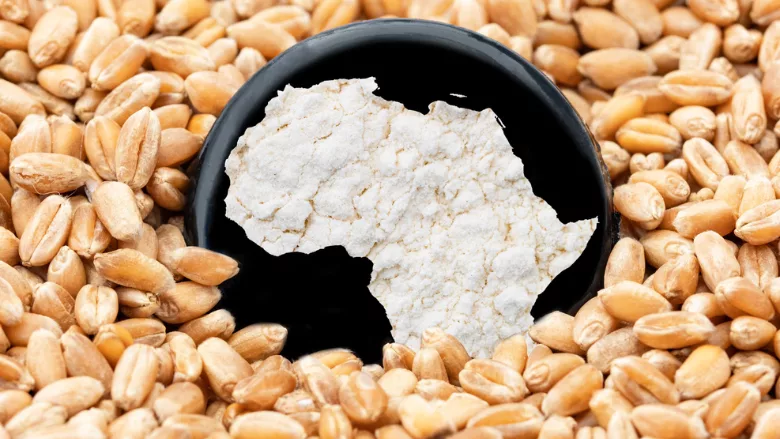
Black button with African continent silhouette colored with flour texture amid grains

Image credit: Marek Studzinski via Unsplash

September 2, 2024

In late August 2024, more than 200 food safety regulatory delegates gathered in Nairobi, Kenya to discuss the possibility of aligning national food safety standards across Africa.

The 2-day workshop on trade and food standards centered around a review of the ongoing joint work of the Food and Agriculture Organization of the United Nations (FAO) and the World Health Organization (WHO) to create a system of international African food standards.

Delegate Maryann Kindiki, Ph.D., National Codex Contact Point Manager at the Kenya Bureau of Standards (KEBS), suggested that African countries enter into mutual recognition agreements for one another’s food safety standards, beginning with the alignment of standards within regional economic blocs, such as East Africa. Rectifying the differences between national food safety standards in Africa could help break down significant technical barriers to the intra-African trade of agricultural commodities.

According to the African Union, countries across the continent import an estimated $60 billion USD worth of food annually, despite being home to about 60 percent of the world’s total arable land. Not only could a unified regime of food safety standards enhance the safety of the continent’s food supply, but it could also catalyze African agricultural production, promote trade between African countries, and reduce the continent’s dependence on international food imports.

Delegate Goffrey Odero, Senior Trade Development Officer in Kenya’s Ministry of Investments, Trade, and Industry, underlined the importance of establishing regional food safety authorities to regulate the implementation of harmonized standards at border points.

Additionally, investments in certification infrastructure to facilitate food safety testing in support of harmonized standards could help enable the movement of agrifood products from surplus-producing countries to other areas of the continent experiencing a deficit of such goods, according to Peter Mutua, Manager for the KEBS Food Standards division.

Looking for quick answers on food safety topics?
Try Ask FSM, our new smart AI search tool.
Ask FSM →


KEYWORDS: Africa

Share This Story

Fsm purple logo 200x200

The Food Safety Magazine editorial team comprises Bailee Henderson, Digital Editor ✉; Adrienne Blume, M.A., Editorial Director; and Stacy Atchison, Publisher.

Recommended Content

JOIN TODAY
to unlock your recommendations.

Already have an account? Sign In

  • people holding baby chicks

    Serovar Differences Matter: Utility of Deep Serotyping in Broiler Production and Processing

    This article discusses the significance of Salmonella in...
    Testing & Analysis
    By: Nikki Shariat Ph.D.
  • woman washing hands

    Building a Culture of Hygiene in the Food Processing Plant

    Everyone entering a food processing facility needs to...
    Sanitation
    By: Richard F. Stier, M.S.
  • graphical representation of earth over dirt

    Climate Change and Emerging Risks to Food Safety: Building Climate Resilience

    This article examines the multifaceted threats to food...
    Contamination Control
    By: Maria Cristina Tirado Ph.D., D.V.M. and Shamini Albert Raj M.A.
Manage My Account
  • eMagazine Subscription
  • Subscribe to eNewsletter
  • Manage My Preferences
  • Website Registration
  • Subscription Customer Service

More Videos

Sponsored Content

Sponsored Content is a special paid section where industry companies provide high quality, objective, non-commercial content around topics of interest to the Food Safety Magazine audience. All Sponsored Content is supplied by the advertising company and any opinions expressed in this article are those of the author and not necessarily reflect the views of Food Safety Magazine or its parent company, BNP Media. Interested in participating in our Sponsored Content section? Contact your local rep!

close
  • Salmonella bacteria
    Sponsored byThermoFisher

    Food Microbiology Testing Methods: Salmonella species

  • a diagram explaining indicator organisms
    Sponsored byHygiena

    How Proactive Listeria Testing Helps Prevent Six- and Seven-Figure Recalls

  • woman grocery shopping
    Sponsored byCorbion

    Designing Safety Into Every Bite: Proactive Risk Mitigation for Refrigerated Foods

Popular Stories

baby eating bottle

Infant Botulism Spike Exceeds 100 Cases, Extent of ByHeart's Involvement Unclear

NRTE breaded stuffed chicken

USDA Indefinitely Delays Enforcement of Salmonella as Adulterant in Raw Breaded, Stuffed Chicken

digital map of europe

EU Publishes Food Fraud Tool Mapping Thousands of Cases Since 2016

Events

December 11, 2025

How to Develop and Implement an Effective Food Defense Strategy

Live: December 11, 2025 at 2:00 pm EDT: From this webinar, attendees will learn common areas where companies encounter challenges in their food defense strategies and how to address them.

May 11, 2026

The Food Safety Summit

Stay informed on the latest food safety trends, innovations, emerging challenges, and expert analysis. Leave the Summit with actionable insights ready to drive measurable improvements in your organization. Do not miss this opportunity to learn from experts about contamination control, food safety culture, regulations, sanitation, supply chain traceability, and so much more.

View All

Products

Global Food Safety Microbial Interventions and Molecular Advancements

Global Food Safety Microbial Interventions and Molecular Advancements

See More Products

Related Articles

  • Lois Jemutai at her shop near Eldoret, Kenya

    African Union Developing First-Ever Food Safety Guidelines for Continent’s Informal Foods Market

    See More
  • auditors with tablet FDA logo overlay

    FDA Finds Four Major Third-Party Food Safety Auditing Standards to be in Alignment with FSMA Regulations

    See More
  • Thousands of Food Safety Professionals to Convene in Rosemont, IL Next Week for 18th Annual Food Safety Summit

    See More

Related Products

See More Products
  • 9781498721776.jpg

    Handbook of Food Processing: Food Safety, Quality, and Manufacturing Processes

  • 1444333348.jpg

    Handbook of Food Safety Engineering

  • 1119053595.jpg

    Food Safety for the 21st Century: Managing HACCP and Food Safety throughout the Global Supply Chain, 2E

See More Products

Events

View AllSubmit An Event
  • May 15, 2025

    Alarm Fatigue: How to Ensure Out-of-Compliance Alarms Serve Their Purpose and Ensure Food Safety

    On Demand: This session will explore the challenges of setting effective alarms for out-of-compliance hot and cold holding temperatures in food safety management. 
View AllSubmit An Event

Related Directories

  • Institute of Food Technologists

    Since 1939, the Institute of Food Technologists (IFT) has served as the voice of the global food science community. IFT advocates for science, technology, and research to address the world’s greatest food challenges, guiding our community of more than 200,000. IFT convenes professionals from around the world – from producers and product developers to innovators and researchers across food, nutrition, and public health – with a shared mission to help create a global food supply that is sustainable, safe, nutritious, and accessible to all. IFT provides its growing community spanning academia, industry, and government with the resources, connections, and opportunities necessary to stay ahead of a rapidly evolving food system as IFT helps feed the minds that feed the world. For more information, please visit ift.org.
  • National Environmental Health Assn. (NEHA)

    We support over 7,000 environmental health professionals globally, offering top-tier credentialing, educational materials, and events. Our FSMA courses include PCQI, FSVP, and IAVA. We employ experts to ensure the highest standards in practice and testing, fostering career growth and networking through our community and peer-reviewed journal. https://www.neha.org/FSPCA-PCQI-training.
×

Never miss the latest news and trends driving the food safety industry

eNewsletter | Website | eMagazine

JOIN TODAY!
  • RESOURCES
    • Advertise
    • Contact Us
    • Directories
    • Store
    • Want More
  • SIGN UP TODAY
    • Create Account
    • eMagazine
    • eNewsletter
    • Customer Service
    • Manage Preferences
  • SERVICES
    • Marketing Services
    • Reprints
    • Market Research
    • List Rental
    • Survey/Respondent Access
  • STAY CONNECTED
    • LinkedIn
    • Facebook
    • Instagram
    • X (Twitter)
  • PRIVACY
    • PRIVACY POLICY
    • TERMS & CONDITIONS
    • DO NOT SELL MY PERSONAL INFORMATION
    • PRIVACY REQUEST
    • ACCESSIBILITY

Copyright ©2025. All Rights Reserved BNP Media.

Design, CMS, Hosting & Web Development :: ePublishing