Food Safety
search
Ask Food Safety AI
cart
facebook twitter linkedin
  • Sign In
  • Create Account
  • Sign Out
  • My Account
Food Safety
  • NEWS
    • Latest News
    • White Papers
  • PRODUCTS
  • TOPICS
    • Contamination Control
    • Food Types
    • Management
    • Process Control
    • Regulatory
    • Sanitation
    • Supply Chain
    • Testing and Analysis
  • PODCAST
  • EXCLUSIVES
    • Food Safety Five Newsreel
    • eBooks
    • FSM Distinguished Service Award
    • Interactive Product Spotlights
    • Videos
  • BUYER'S GUIDE
  • MORE
    • ENEWSLETTER >
      • Archive Issues
      • Subscribe to eNews
    • Store
    • Sponsor Insights
    • ASK FSM AI
  • WEBINARS
  • FOOD SAFETY SUMMIT
  • EMAG
    • eMagazine
    • Archive Issues
    • Editorial Advisory Board
    • Contact
    • Advertise
  • SIGN UP!
NewsContamination ControlFood TypeManagementSupply ChainInternationalRecall/Crisis ManagementMicrobiologicalProduceGrowers/GAPs

EU Multi-Country Salmonella Outbreak Reveals Vulnerabilities in Agri-Food System
By Food Safety Magazine Editorial Team
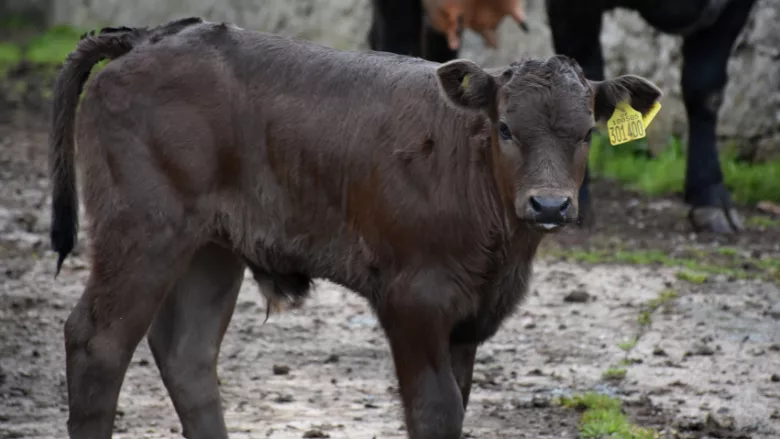
buffalo calf
Image credit: DejaVu Designs via Freepik
October 20, 2025

A post-incident review of a multi-country European foodborne illness outbreak has exposed gaps in biosecurity, surveillance, and data transparency across the agri-food system. The review was authored by researchers at the University of University of Molise and the University of Turin in Italy, as well as the Italian General Directorate for Health Protection and Coordination of the Regional Health System, and was published in the International Journal of Environmental Research and Public Health.

In 2024, a rare serotype of Salmonella enterica—specifically, S. Umbilo—caused a multinational foodborne illness outbreak spanning the EU/European Economic Area (EEA), resulting in more than 200 confirmed human cases and one fatality. Epidemiological evidence linked the outbreak to the consumption of organic rocket salad and baby spinach originating from the Province of Salerno, Italy—a region known for its intensive buffalo farming and high-value vegetable production.

During the outbreak investigation, initial inspections of processing facilities and irrigation systems revealed no major hygiene violations. Eventually, continued investigations uncovered a mismanaged, unauthorized manure storage tank of unknown ownership near the greenhouses where the implicated greens were grown. Geospatial analysis identified three buffalo farms within a one-kilometer (km) radius of the manure tank, and subsequently, veterinarians dispatched to these farms found buffalo calves presenting enteric symptoms at all three establishments. Fecal samples confirmed the calves were infected with S. Umbilo, S. Livingstone, and S. Senftenberg. Notably, two of the isolated serotypes were also the subject of EU Rapid Alert System for Food and Feed (RASFF) alerts for produce.

Core genome Multi-Locus Sequence Typing (cgMLST) revealed a close genetic match among S. Umbilo isolates from buffaloes, contaminated vegetables, and human cases, confirming a zoonotic transmission pathway. Although samples from the manure tank tested negative for Salmonella, delayed sampling and environmental factors likely influenced the results.

The outbreak exposed critical food safety vulnerabilities in the agri-food system, particularly in regions where raw-consumed vegetables are cultivated alongside high-density livestock operations. Despite existing controls for bovine brucellosis and tuberculosis, no national program currently addresses salmonellosis in ruminants. The detection of zoonotic serotypes in buffalo farms underscores the need for rigorous surveillance and biosecurity measures in high-risk sectors.

In response, regional authorities implemented a six-month Health Management and Control Plan (PSG) for dairy farms, integrating biosecurity protocols and environmental monitoring. These measures reflect a growing recognition of the One Health approach, which emphasizes the interconnectedness of human, animal, and environmental health.

A major challenge highlighted by the outbreak was the restricted access to critical epidemiological and microbiological data. Aggregated reporting and limited transparency hindered efforts to reconstruct outbreak dynamics and identify transmission pathways. The absence of open access to genomic, clinical, and environmental datasets significantly delayed coordinated response efforts.

Looking for quick answers on food safety topics?
Try Ask FSM, our new smart AI search tool.
Ask FSM →

The study advocates for the creation of interoperable, open-access databanks to support cross-sectoral research and rapid public health interventions. Enhanced data-sharing would enable timely outbreak detection, facilitate interdisciplinary collaboration, and strengthen the implementation of One Health strategies.

To prevent future outbreaks, stakeholders across the livestock, dairy, and produce sectors must engage in proactive risk management, say the study’s authors. This includes revising Good Manufacturing Practices (GMP), updating Hazards Analysis and Critical Control Points (HACCP) plans, and adopting innovative technologies such as drone surveillance for environmental monitoring.


KEYWORDS: foodborne illness leafy greens one health outbreak investigations Salmonella study

Share This Story

Fsm purple logo 200x200

The Food Safety Magazine editorial team comprises Bailee Henderson, Digital Editor ✉; Adrienne Blume, M.A., Editorial Director; and Stacy Atchison, Publisher.

Recommended Content

JOIN TODAY
to unlock your recommendations.

Already have an account? Sign In

  • people holding baby chicks

    Serovar Differences Matter: Utility of Deep Serotyping in Broiler Production and Processing

    This article discusses the significance of Salmonella in...
    Methods
    By: Nikki Shariat Ph.D.
  • woman washing hands

    Building a Culture of Hygiene in the Food Processing Plant

    Everyone entering a food processing facility needs to...
    Management
    By: Richard F. Stier, M.S.
  • graphical representation of earth over dirt

    Climate Change and Emerging Risks to Food Safety: Building Climate Resilience

    This article examines the multifaceted threats to food...
    Risk Assessment
    By: Maria Cristina Tirado Ph.D., D.V.M. and Shamini Albert Raj M.A.
Manage My Account
  • eMagazine Subscription
  • Subscribe to eNewsletter
  • Manage My Preferences
  • Website Registration
  • Subscription Customer Service

More Videos

Sponsored Content

Sponsored Content is a special paid section where industry companies provide high quality, objective, non-commercial content around topics of interest to the Food Safety Magazine audience. All Sponsored Content is supplied by the advertising company and any opinions expressed in this article are those of the author and not necessarily reflect the views of Food Safety Magazine or its parent company, BNP Media. Interested in participating in our Sponsored Content section? Contact your local rep!

close
  • Salmonella bacteria
    Sponsored byThermoFisher

    Food Microbiology Testing Methods: Salmonella species

  • a diagram explaining indicator organisms
    Sponsored byHygiena

    How Proactive Listeria Testing Helps Prevent Six- and Seven-Figure Recalls

  • woman grocery shopping
    Sponsored byCorbion

    Designing Safety Into Every Bite: Proactive Risk Mitigation for Refrigerated Foods

Popular Stories

food Safety Assurance

eBook | Food Safety Assurance for Dairy and Low-Moisture Foods

hospital patient

Foodborne Illness Outbreaks and Serious Listeria Infections Rising in EU

baby eating bottle

Coalition Urges RFK Jr. to Fix Infant Formula Oversight Problems that Allowed Infant Botulism Outbreak

Events

May 11, 2026

The Food Safety Summit

Stay informed on the latest food safety trends, innovations, emerging challenges, and expert analysis. Leave the Summit with actionable insights ready to drive measurable improvements in your organization. Do not miss this opportunity to learn from experts about contamination control, food safety culture, regulations, sanitation, supply chain traceability, and so much more.

View All

Products

Global Food Safety Microbial Interventions and Molecular Advancements

Global Food Safety Microbial Interventions and Molecular Advancements

See More Products

Related Articles

  • plate of charry tomatoes

    ECDC, EFSA Release Investigation Report on Multi-Country Foodborne Illness Outbreak of Salmonella Seftenberg

    See More
  • Three Year Multi-Country Salmonella Outbreak Linked to Eggs Isn’t Over Yet

    See More
  • Infant Formula Linked to Multi-Country Salmonella Outbreak

    See More

Related Products

See More Products
  • 9781138070912.jpg

    Trends in Food Safety and Protection

  • 1119237963.jpg

    Food Safety in China: Science, Technology, Management and Regulation

  • 9781138198463.jpg

    Food Safety Management Programs: Applications, Best Practices, and Compliance

See More Products

Events

View AllSubmit An Event
  • August 7, 2025

    Achieve Active Managerial Control of Major Risk Factors Using a Food Safety Management System

    On Demand: From this webinar, attendees will learn about changes to the FDA Food Code, which now includes a requirement for FSMS. 
View AllSubmit An Event

Related Directories

  • QualiTru Sampling Systems

    Since 1983, QualiTru Sampling Systems® (formerly QMI) has been the leader in the science of aseptic liquid sampling with innovative, easy-to-use, versatile and cost‑effective sampling systems that help the dairy, beverage and liquid food industries produce safe, quality products across the U.S. and in over 30 countries worldwide.
  • Computerway Food Systems

    Computerway Food Systems is a world leader in integrated plant floor and enterprise-level information systems designed specifically for food manufacturing and processing operations. Incorporated in 1986, Computerway modules include precise Recall and Traceability, real-time Production Control, accurate and aged Inventory of products and packaging, and scanned Shipping and Receiving operations.
  • Black Forest Container Systems LLC

    Black Forest Container Systems is the leading distributor in North America of closed loop custom equipment and multi-trip stainless steel packaging systems. Stainless steel containers, tanks and vessels for process, storage and transport. Rental program available.
×

Never miss the latest news and trends driving the food safety industry

eNewsletter | Website | eMagazine

JOIN TODAY!
  • RESOURCES
    • Advertise
    • Contact Us
    • Directories
    • Store
    • Want More
  • SIGN UP TODAY
    • Create Account
    • eMagazine
    • eNewsletter
    • Customer Service
    • Manage Preferences
  • SERVICES
    • Marketing Services
    • Reprints
    • Market Research
    • List Rental
    • Survey/Respondent Access
  • STAY CONNECTED
    • LinkedIn
    • Facebook
    • Instagram
    • X (Twitter)
  • PRIVACY
    • PRIVACY POLICY
    • TERMS & CONDITIONS
    • DO NOT SELL MY PERSONAL INFORMATION
    • PRIVACY REQUEST
    • ACCESSIBILITY

Copyright ©2025. All Rights Reserved BNP Media.

Design, CMS, Hosting & Web Development :: ePublishing