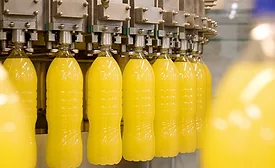
In aseptic systems, product sterilization is only one part of a much larger control strategy. FDA's Acidified and Low-Acid Canned Foods framework outlines the regulatory requirements for producing aseptic products, but a functioning system also depends on effective sanitation, strong control of ingredients and packaging materials, and robust maintenance.
Although the levels of gluten in analyzed samples fell below EU limits, the results from conventional ELISA tests differed from those of a new, more sensitive method. Combining established rapid testing methods with advanced mass spectrometry techniques could potentially improve future detection capabilities.
According to the ruling, the UK Food Standards Agency (FSA) included certain costs in its meat controls hourly rate and enforcement rate that were outside the scope of permissible charges under the applicable official controls legislation.
Tufts University researchers found that people who ate more ultra-processed foods (UPFs) had worse health outcomes, even after accounting for the overall nutritional quality of the foods.
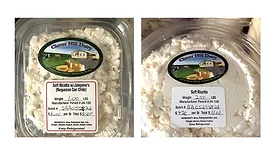
The now-recalled requeson cheese was produced by Maryland-based Clover Hill Dairy. Patients have been identified in New York, Maryland, and Virginia, with the earliest illness occurring in early 2023 and the most recent in May 2026.
FDA did not identify deficiencies in ByHeart’s production facilities that could explain the outbreak, but a powdered milk ingredient did test positive for C. botulinum. ByHeart is developing an action plan based on data generated from the investigations.
This article explores how animal well-being on farms directly impacts food safety outcomes and what veterinarians wish food processors knew (and vice versa) about the risks and safeguards.
The new Technical Services Educational Training (TSET) Program from QualiTru provides training on food safety, regulatory compliance, quality assurance, sanitation, and workforce development for dairy processing employees at multiple organizational levels.
Researchers found that the sugar alcohol sorbitol can be turned into fructose, leading to fat accumulation in the liver. Gut bacteria may help protect against sorbitol-induced liver damage, but can be overwhelmed by excessive intake.
 RSS
RSS