Food Safety
search
Ask Food Safety AI
cart
facebook twitter linkedin instagram youtube
  • Sign In
  • Create Account
  • Sign Out
  • My Account
Food Safety
  • NEWS
    • Latest News
    • White Papers
  • PRODUCTS
  • TOPICS
    • Contamination Control
    • Food Types
    • Management
    • Process Control
    • Regulatory
    • Sanitation
    • Supply Chain
    • Testing and Analysis
  • PODCAST
  • EXCLUSIVES
    • Food Safety Five Newsreel
    • eBooks
    • FSM Distinguished Service Award
    • Interactive Product Spotlights
    • Videos
  • BUYER'S GUIDE
  • MORE
    • NEWSLETTERS >
      • Archive Issues
      • Subscribe to eNews
    • Store
    • Sponsor Insights
    • ASK FSM AI
  • WEBINARS
  • FOOD SAFETY SUMMIT
  • EMAG
    • eMagazine
    • Archive Issues
    • Editorial Advisory Board
    • Contact
    • Advertise
  • SIGN UP!
NewsContamination ControlFood TypeChemicalSeafood

EU Measures Public Awareness of Mercury in Seafood
By Food Safety Magazine Editorial Team
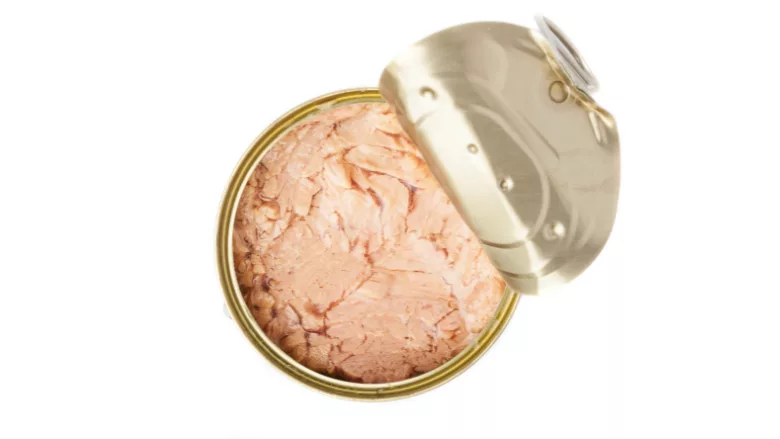
Open can of tuna
Image credit: asier-relampagoestudio via Freepik
February 12, 2026

New research by the European Food Safety Authority (EFSA) investigated consumer beliefs about mercury in fish, and how it informs consumption behaviors, representing the first time the agency has used social science to investigate public awareness of the health risks and benefits associated with a food.

The European Commission asked EFSA to carry out an EU-wide survey after some Member States updated their dietary advice regarding fish and seafood that may contain traces of mercury. The Commission’s request was linked to discussions with EU Member States on the maximum limits (MLs) for mercury in different species of fish and seafood, and any future update of EFSA’s risk assessment of mercury in food.

Seafood Consumption Guidance

Most national authorities in the EU recommend 1–2 portions per week of fish and seafood species with higher mercury limits (1.0 milligrams per kilogram [mg/kg] of fish wet weight), or 3–4 portions of species with lower mercury limits (0.5 mg/kg or 0.3 mg/kg of fish). Pregnant women are often advised to replace their intake of large fish with smaller fish containing less mercury.

EFSA’s past scientific advice informed national dietary guidelines that aim to ensure that consumers, particularly pregnant women (and the developing fetus), can benefit from eating fish and seafood while minimizing mercury exposure and its associated health effects.

An EU-Wide Survey

A first survey was conducted in all 27 EU Member States, Iceland, and Norway in April–May 2023. A second survey was conducted in ten countries that updated their advice, plus another five countries in which advice remained the same, to compare. The survey respondents included a higher proportion of pregnant and lactating women.

Of those surveyed, 60 percent reported eating fish and seafood. Around one-third of those who reported eating fish and seafood—34 percent of adolescents and adults, and 33 percent of pregnant women—said they consume fish species with the highest MLs for mercury contamination three or more times per week.

Only one in ten respondents reported awareness about the health risks of seafood, compared to one in five who reported awareness of several health benefits. Mercury was the most widely recognized contaminant by consumers.

Consumers also reported valuing national dietary advice much less than factors like taste, cost, and health when making food choices.

Looking for quick answers on food safety topics?
Try Ask FSM, our new smart AI search tool.
Ask FSM →


KEYWORDS: consumers EFSA EU mercury public health

Share This Story

Fsm purple logo 200x200

The Food Safety Magazine editorial team comprises Bailee Henderson, Digital Editor ✉; Adrienne Blume, M.A., Editorial Director; and Stacy Atchison, Publisher.

Recommended Content

JOIN TODAY
to unlock your recommendations.

Already have an account? Sign In

  • people holding baby chicks

    Serovar Differences Matter: Utility of Deep Serotyping in Broiler Production and Processing

    This article discusses the significance of Salmonella in...
    Testing & Analysis
    By: Nikki Shariat Ph.D.
  • woman washing hands

    Building a Culture of Hygiene in the Food Processing Plant

    Everyone entering a food processing facility needs to...
    Sanitation
    By: Richard F. Stier, M.S.
  • graphical representation of earth over dirt

    Climate Change and Emerging Risks to Food Safety: Building Climate Resilience

    This article examines the multifaceted threats to food...
    Management
    By: Maria Cristina Tirado Ph.D., D.V.M. and Shamini Albert Raj M.A.
Manage My Account
  • eMagazine Subscription
  • Subscribe to Newsletters
  • Manage My Preferences
  • Website Registration
  • Subscription Customer Service

More Videos

Sponsored Content

Sponsored Content is a special paid section where industry companies provide high quality, objective, non-commercial content around topics of interest to the Food Safety Magazine audience. All Sponsored Content is supplied by the advertising company and any opinions expressed in this article are those of the author and not necessarily reflect the views of Food Safety Magazine or its parent company, BNP Media. Interested in participating in our Sponsored Content section? Contact your local rep!

close
  • Salmonella bacteria
    Sponsored byThermoFisher

    Food Microbiology Testing Methods: Salmonella species

  • a diagram explaining indicator organisms
    Sponsored byHygiena

    How Proactive Listeria Testing Helps Prevent Six- and Seven-Figure Recalls

  • woman grocery shopping
    Sponsored byCorbion

    Designing Safety Into Every Bite: Proactive Risk Mitigation for Refrigerated Foods

Popular Stories

plate of RTE deli meats and sausages

Boar’s Head Reopens Production Facility Behind Fatal Listeriosis Outbreak

natural blue food coloring powder

FDA Allows Foods with ‘Natural’ Food Dyes to Claim ‘No Artificial Colors’

person on clipboard in processing environment

Preventive Maintenance: A Complex Prerequisite Program

Events

February 25, 2026

How to Manage Food Safety and Regulatory Risks in Your Supply Chain

Live: February 25, 2026 at 2:00 pm EST: From this webinar, attendees will learn how large food manufacturing organizations can successfully manage their supply chain, food safety, and regulatory risks.

March 3, 2026

FDA/USDA Regulatory Updates: Food Safety Work Plans for 2026

Live: March 3, 2026 at 2:00 pm EST: In this high-level, exclusive webinar, FDA Deputy Commissioner for Human Foods Kyle Diamantas and USDA Under Secretary for Food Safety Mindy Brashears, Ph.D. will share their agencies' regulatory priorities and work plans for 2026 and beyond.

May 11, 2026

The Food Safety Summit

Stay informed on the latest food safety trends, innovations, emerging challenges, and expert analysis. Leave the Summit with actionable insights ready to drive measurable improvements in your organization. Do not miss this opportunity to learn from experts about contamination control, food safety culture, regulations, sanitation, supply chain traceability, and so much more.

View All

Products

Global Food Safety Microbial Interventions and Molecular Advancements

Global Food Safety Microbial Interventions and Molecular Advancements

See More Products

Related Articles

  • magnifying glass hovering over europe on globe

    EU Consumer Survey Shows Increased Awareness of Food Safety Systems, Risks

    See More
  • raw thick cut of salmon with skin on

    Pathogens, Heavy Metals Most Common Causes of Food Safety Alerts for Seafood in EU

    See More
  • person holding can of tuna

    Levels of Mercury in Tuna Cans Inconsistent, Says Consumer Reports

    See More

Related Products

See More Products
  • 9781498721776.jpg

    Handbook of Food Processing: Food Safety, Quality, and Manufacturing Processes

  • 9781138070912.jpg

    Trends in Food Safety and Protection

  • 1119237963.jpg

    Food Safety in China: Science, Technology, Management and Regulation

See More Products

Related Directories

  • Seafood Collaborators LLC

    In today's complex seafood landscape, ever-stricter standards, regulations, and initiatives are proliferating. Decades of cross-functional, global expertise enable us to offer practical solutions to seafood firms across the value chain - food safety, QMS, regulatory, supply chain risk analysis, responsible sourcing, audits, operational improvement, certification, ESG programs and more.
  • Institute of Food Technologists

    Since 1939, the Institute of Food Technologists (IFT) has served as the voice of the global food science community. IFT advocates for science, technology, and research to address the world’s greatest food challenges, guiding our community of more than 200,000. IFT convenes professionals from around the world – from producers and product developers to innovators and researchers across food, nutrition, and public health – with a shared mission to help create a global food supply that is sustainable, safe, nutritious, and accessible to all. IFT provides its growing community spanning academia, industry, and government with the resources, connections, and opportunities necessary to stay ahead of a rapidly evolving food system as IFT helps feed the minds that feed the world. For more information, please visit ift.org.
×

Never miss the latest news and trends driving the food safety industry

Newsletters | Website | eMagazine

JOIN TODAY!
  • RESOURCES
    • Advertise
    • Contact Us
    • Directories
    • Store
    • Want More
  • SIGN UP TODAY
    • Create Account
    • eMagazine
    • Newsletters
    • Customer Service
    • Manage Preferences
  • SERVICES
    • Marketing Services
    • Reprints
    • Market Research
    • List Rental
    • Survey/Respondent Access
  • STAY CONNECTED
    • LinkedIn
    • Facebook
    • Instagram
    • X (Twitter)
  • PRIVACY
    • PRIVACY POLICY
    • TERMS & CONDITIONS
    • DO NOT SELL MY PERSONAL INFORMATION
    • PRIVACY REQUEST
    • ACCESSIBILITY

Copyright ©2026. All Rights Reserved BNP Media.

Design, CMS, Hosting & Web Development :: ePublishing