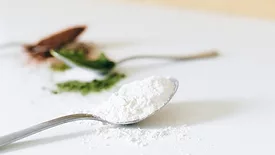
The Get it Natural Toolbox meets growing demand for natural, minimally processed foods, offering functional ingredient solutions including those that eliminate harmful substances and facilitate fermentation, as well as sweeteners and digestion-supportive cocoa alternatives.
The E. coli outbreak involving Raw Farm unpasteurized dairy products has ended with one raw cheese sample matching isolates from a different 2025 outbreak. In an April 29 hearing, Congresspeople questioned whether U.S. Health Secretary Kennedy influenced FDA’s failure to mandate a recall.
None of the exposures to the five additives and flavorings assessed presented a health concern for the EU population. The pilot helped identify shortcomings in the monitoring framework that will be rectified for future reports.
In this bonus episode of Food Safety Matters, we speak to Jenny Du, Ph.D., Co-Founder of Apeel Sciences, about Apeel—a clean alternative to traditional post-harvest produce coatings and treatments—and its transparent approach to disrupting an $11 billion industry.
The draft bill proposes sweeping reforms to FDA’s food safety oversight, including GRAS process changes, infant and baby food safety provisions, and federal preemption of state laws. Consumer groups say the FRESH Act’s GRAS reforms and federal preemption language would weaken U.S. food safety.
The Food Safety and Chemical Disclosure Act would mandate public disclosures of “Generally Recognized as Safe” substances used in foods manufactured or sold in New York. It has passed the Assembly and Senate, and now awaits the Governor’s signature into law.
Novel foods approved for import and sale in Singapore include cultivated chicken and quail, mycoprotein, algal and fungal biomasses, precision-fermented sodium salts, and other foods.
Researchers at Johns Hopkins University analyzed how four major food processing classification systems (including the NOVA “ultra-processed” definition) differ in categorizing foods and how those differences may influence nutrition research, public health, and policy.
During its investigation of an ongoing Escherichia coli O157:H7 outbreak involving Raw Farm-brand unpasteurized cheddar cheese, FDA detected E. coli in a product sample not matching the current outbreak strain, but instead matching a strain from a different 2025 outbreak.
 RSS
RSS