Researchers found that the sugar alcohol sorbitol can be turned into fructose, leading to fat accumulation in the liver. Gut bacteria may help protect against sorbitol-induced liver damage, but can be overwhelmed by excessive intake.
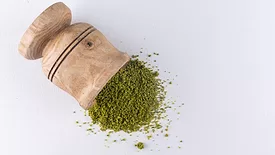
The agency has also reopened a previously closed Salmonella outbreak investigation linked to powdered moringa supplements, with 22 new reported illnesses in four additional states.
Notable pathogen–food commodity pairings emerged, including Clostridium botulinum and Alaskan traditional fermented meats and fish. The analysis was conducted by FDA and CDC researchers.
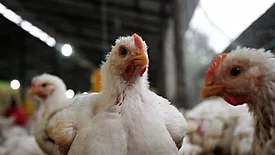
In this bonus episode of Food Safety Matters, we speak to Dr. Alissa Welsher, Senior Consultant at Elanco Poultry Food Safety, about how preharvest poultry operations can get ahead of increasing insect activity seen in warmer months with robust integrated pest management (IPM) and insecticide solutions.
Studies funded by the Center for Produce Safety (CPS) are investigating ways to improve produce packinghouse brush sanitation, including the use of antimicrobial light and choosing the best time to replace brushes.
Highlighting contaminated seafood as a particular concern, the Destruction of Hazardous Imports Act answers FDA’s request for the authority to destroy food imports that do not pass safety inspections at the border, preventing importers from “port shopping” their unsafe products.
Campylobacter is the leading cause of foodborne illness in the UK, most frequently linked to contaminated chicken. The UK Food Standards Agency conducted a scientific assessment to consider possible future actions for reducing foodborne campylobacteriosis.
A new study led by the University of Toronto and supported by IAFNS highlights a critical tension in sodium reduction policy, in that many of the foods contributing most to sodium intake also provide essential nutrients.
A series of first-of-their-kind, large-scale epidemiological studies have suggested associations between food dyes—both “natural” and artificial—and preservatives, and an increased risk of chronic health conditions like cancer, type 2 diabetes, hypertension, and cardiovascular disease.
 RSS
RSS





.webp?height=168&t=1691503719&width=275 "FoodSafetyMattersFinal-900x550-(002).jpg")