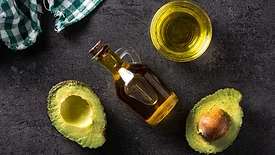
Of the products (including chips, mayonnaise, and salad dressings) labeled to contain avocado oil as the sole declared edible oil, 89 percent contained fatty acid and sterol profiles indicating the presence of other oils.
The outbreak cluster includes more than 1,600 people in Indiana, Kentucky, Michigan, Ohio, and West Virginia. Outside of the outbreak cluster, Michigan and other parts of the U.S. continue to experience elevated rates of Cyclospora infections compared to previous years.
The letter to industry was issued in response to the botulism outbreaks linked to Nara Organics and ByHeart formulas, which identified Clostridia in the whole milk powder ingredient supply chain, as well as the global formula recall due to cereulide-contaminated arachidonic acid oil.
Effective July 20, to support risk surveillance, the agency will perform metals analysis on samples that are already collected for allergen verification.
The resources were produced through the Cell-Cultivated Products Sandbox Program and cover hygiene requirements; identity, production, and microbiology; product applications; and novel food taste trials.
The 102nd meeting of the Joint FAO/WHO Expert Committee on Food Additives (JECFA) took place in June 2026 in Nanjing, China. Key outcomes included the establishment of new, temporary acceptable daily intakes (ADIs) for two substances.
The American Dairy Science Association (ADSA) event will be held on August 31–September 3, 2026 in Itasca, Illinois, under the theme “Dairy and the Environment: Challenges and Opportunities.”
 RSS
RSS