Food Safety
search
Ask Food Safety AI
cart
facebook twitter linkedin instagram youtube
  • Sign In
  • Create Account
  • Sign Out
  • My Account
Food Safety
  • NEWS
    • Latest News
    • White Papers
  • PRODUCTS
  • TOPICS
    • Contamination Control
    • Food Types
    • Management
    • Process Control
    • Regulatory
    • Sanitation
    • Supply Chain
    • Testing and Analysis
  • PODCAST
  • EXCLUSIVES
    • Food Safety Five Newsreel
    • eBooks
    • FSM Distinguished Service Award
    • Interactive Product Spotlights
    • Videos
  • BUYER'S GUIDE
  • MORE
    • NEWSLETTERS >
      • Archive Issues
      • Subscribe to eNews
    • Store
    • Sponsor Insights
    • ASK FSM AI
  • WEBINARS
  • FOOD SAFETY SUMMIT
  • EMAG
    • eMagazine
    • Archive Issues
    • Editorial Advisory Board
    • Contact
    • Advertise
  • SIGN UP!
NewsContamination ControlFood TypeChemical ControlBeveragesIngredients

Europeans Exposed to High Doses of Glycerol in Drinks, EFSA Recommends Setting Limits

By Food Safety Magazine Editorial Team
red slushie beverage
Image credit: chandlervid85 via Magnific
May 6, 2026

The European Food Safety Authority (EFSA) recently published an assessment of Europeans’ acute exposure to glycerol (additive E 422) in slush-ice drinks (slushies) and dealcoholized wine, finding that both children and adults would exceed the acute reference dose (ARfD) for glycerol by consuming a single serving of either beverage type. Based on these findings, EFSA recommends that the European Commission consider establishing numerical maximum levels for glycerol in beverages.

The acute exposure assessment was conducted on a single‑consumption‑event basis considering the reported use levels and analytical data of glycerol in slushies and the proposed maximum level of 50,000 milligrams (mg) of glycerol per liter (L) in dealcoholized wine. EFSA used a conservative dose above which unintended pharmacological effects would occur for the determination of the ARfD. For a single consumption event, an ARfD of 125 mg glycerol per kilogram (kg) of body weight was derived.

For slushies, EFSA concluded that the acute exposure to glycerol per single consumption event, assuming a consumption of 250 milliliter (mL) and 500 mL for children and other population groups, respectively, would exceed the ARfD for all population groups.

For dealcoholized wine, the 95th percentile acute exposure estimates for glycerol, at the proposed maximum level and assumed to be consumed as a substitute for flavored drinks or wine, would exceed the ARfD for all population groups.

Maximum Safe Amounts of Glycerol Beverages per Sitting

EFSA also calculated the maximum single consumption event volume of beverages containing glycerol that can be consumed by different population groups without exceeding the ARfD. For slushies, based on median reported use levels, this ranged from 82.7 mL for toddlers 1–2 years of age to 507 mL and 511 mL for adults (18–64 years) and the elderly (65 and up), respectively. The values calculated for children (3–9 years) and adolescents (10–17 years) were 160 mL and 358 mL, respectively. Notably, the reported use levels are lower than the levels reported in analytical data.

For dealcoholized wine based on the proposed maximum level, the maximum single consumption event volume range across population groups was 30.9–191 mL.

Theoretical Maximum Levels for Glycerol as an Additive in Beverages

Theoretical maximum levels for glycerol, when used as an additive in beverages, at which exposure would not exceed the ARfD were also calculated for all population groups. For toddlers, this theoretical maximum level would be 250 mL of beverage with 6,200 mg/L glycerol concentration; for children, 250 mL at 12,000 mg/L; for adolescents, 500 mL at 13,400 mg/L; for adults, 500 mL at 19,000 mg/L; and for the elderly, 500 mL at 19,100 mg/L.

Looking for quick answers on food safety topics?
Try Ask FSM, our new smart AI search tool.
Ask FSM →

Based on the proposed maximum level in dealcoholized wine, EFSA concluded that toddlers, children, and adolescents should consume less than 31 mL, 60 mL, and 134 mL, respectively, in a single consumption event to avoid exceeding the ARfD. For adults and the elderly, consumption should be limited to less than one glass (190 mL).

Overall, EFSA determined that, to ensure that toddlers and children do not exceed the glycerol ARfD after consuming a volume of 250 mL of beverages in a single sitting, and that adults do not exceed the ARfD after consuming 500 mL, glycerol concentrations should be below the lowest reported use level in slush ice drinks (17,400 mg/L).

Slushies Sickened Children, Prompting Glycerol Reassessment

In 2023, the UK Food Standards Agency (FSA) advised manufacturers and retailers not to sell slushies containing glycerol to children under four years of age, and that children under ten years of age should not be offered free refills. In 2024, the Food Standards Agency of Ireland (FSAI) followed suit. This advice was prompted by cases in Scotland where children were hospitalized because of glycerol intoxication. Additionally, EFSA’s assessment of acute glycerol exposure cited 21 cases where children aged 2–6 years became unwell shortly after consuming slushies.

Glycerol intoxication can occur when excessive levels of glycerol are consumed in a short period of time. Symptoms typically present within an hour of consumption and can include shock, hypoglycemia, and loss of consciousness.


KEYWORDS: additives EFSA exposure science glycerol

Share This Story

Fsm purple logo 200x200

The Food Safety Magazine editorial team comprises Bailee Henderson, Digital Editor ✉ and Adrienne Blume, M.A., Editorial Director.

Recommended Content

JOIN TODAY
to unlock your recommendations.

Already have an account? Sign In

  • people holding baby chicks

    Serovar Differences Matter: Utility of Deep Serotyping in Broiler Production and Processing

    This article discusses the significance of Salmonella in...
    Meat/Poultry
    By: Nikki Shariat Ph.D.
  • woman washing hands

    Building a Culture of Hygiene in the Food Processing Plant

    Everyone entering a food processing facility needs to...
    Food Prep/Handling
    By: Richard F. Stier, M.S.
  • graphical representation of earth over dirt

    Climate Change and Emerging Risks to Food Safety: Building Climate Resilience

    This article examines the multifaceted threats to food...
    International
    By: Maria Cristina Tirado Ph.D., D.V.M. and Shamini Albert Raj M.A.
Manage My Account
  • eMagazine Subscription
  • Subscribe to Newsletters
  • Manage My Preferences
  • Website Registration
  • Subscription Customer Service

More Videos

Sponsored Content

Sponsored Content is a special paid section where industry companies provide high quality, objective, non-commercial content around topics of interest to the Food Safety Magazine audience. All Sponsored Content is supplied by the advertising company and any opinions expressed in this article are those of the author and not necessarily reflect the views of Food Safety Magazine or its parent company, BNP Media. Interested in participating in our Sponsored Content section? Contact your local rep!

close
  • the use of dual-energy X-ray food inspection technology to identify foreign contaminants.
    Sponsored byEagle by METTLER TOLEDO

    Precision Inspection Starts with the Right X-ray Detector

  • This image depicts a worker cleaning stainless steel machinery in a food processing plant
    Sponsored byCintas

    Employee Uniforms: A Frontline Defense Against Food Contamination

  • This image depicts a healthcare professional managing a large volume of paperwork and transitioning to a digital workflow.
    Sponsored bySafetyChain

    The Invisible Plant Tax Starts with Your Records

Popular Stories

cheddar cheese sliced on wooden cutting board

Raw Farm E. coli Outbreak Ends; Congress Questions Why FDA Never Used Mandatory Recall Authority

FoodSafetyMattersFinal-900x550-(002).jpg

Ep. 216. Sandro Tarchini: Driving Global Food Traceability, Authenticity with Blockchain

gloved hands of a foodservice worker assembling a burger

Survey of U.S. Food Handlers Reveals Food Safety Knowledge Strengths, Opportunities to Improve Training


Events

May 6, 2026

Allergen Uncertainty: Risk Assessment, Reference Doses, and Codex Management Guidance

Live: May 6, 2026 at 2:00 pm EDT: Attendees will gain insight into the importance of preparing for the industry's shift from detection-based methods to risk-based allergen management.

May 11, 2026

The Food Safety Summit

Stay informed on the latest food safety trends, innovations, emerging challenges, and expert analysis. Leave the Summit with actionable insights ready to drive measurable improvements in your organization. Do not miss this opportunity to learn from experts about contamination control, food safety culture, regulations, sanitation, supply chain traceability, and so much more.

May 12, 2026

Leveraging AI for Food Safety: From Strategy to Impact

Live Streaming from Food Safety Summit: This dynamic workshop brings together leaders from industry, academia, and government to demonstrate how AI can be practically applied in food safety—from data strategy to daily execution.

View All

Products

Global Food Safety Microbial Interventions and Molecular Advancements

Global Food Safety Microbial Interventions and Molecular Advancements

See More Products

Related Articles

  • two hands holding two different types of rice

    Exposure to Inorganic Arsenic in Food a Health Concern for Europeans, Says EFSA

    See More
  • pork meat

    EFSA Recommends Lowering Tolerable Intake of PCBs, Dioxins From Food

    See More
  • head of cabbage black background

    EFSA: Pesticide Residues Below Legal Limits in More Than 96 Percent of EU Food Samples

    See More

Related Products

See More Products
  • 1118396308.jpg

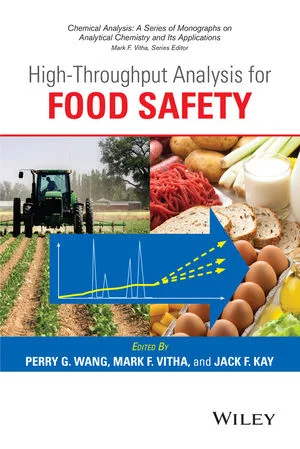
    High Throughput Analysis for Food Safety

  • 9781138070912.jpg

    Trends in Food Safety and Protection

  • 9781498721776.jpg

    Handbook of Food Processing: Food Safety, Quality, and Manufacturing Processes

See More Products

Events

View AllSubmit An Event
  • May 6, 2026

    Allergen Uncertainty: Risk Assessment, Reference Doses, and Codex Management Guidance

    Live: May 6, 2026 at 2:00 pm EDT: Attendees will gain insight into the importance of preparing for the industry's shift from detection-based methods to risk-based allergen management.
View AllSubmit An Event

Related Directories

  • ViscoTec America Inc.

    ViscoTec manufactures systems required for conveying, dosing, applying, filling, and emptying low- to high-viscosity fluids. Next to technically sophisticated solutions to even the most complicated application, ViscoTec is the single point of contact to deliver all components for a complete system: From emptying to preparing and to dosing.
×

Never miss the latest news and trends driving the food safety industry

Newsletters | Website | eMagazine

JOIN TODAY!
  • RESOURCES
    • Advertise
    • Contact Us
    • Directories
    • Store
    • Want More
  • SIGN UP TODAY
    • Create Account
    • eMagazine
    • Newsletters
    • Customer Service
    • Manage Preferences
  • SERVICES
    • Marketing Services
    • Reprints
    • Market Research
    • List Rental
    • Survey/Respondent Access
  • STAY CONNECTED
    • LinkedIn
    • Facebook
    • Instagram
    • X (Twitter)
  • PRIVACY
    • PRIVACY POLICY
    • TERMS & CONDITIONS
    • DO NOT SELL MY PERSONAL INFORMATION
    • PRIVACY REQUEST
    • ACCESSIBILITY

Copyright ©2026. All Rights Reserved BNP Media, Inc. and BNP Media II, LLC.

Design, CMS, Hosting & Web Development :: ePublishing