Aligning with the agency’s priority of supporting agency in phasing out synthetic colorants from the food supply, the petitions seek expanded or new uses for gardenia (genipin) blue, safflower extract, and acetone-extracted carrot oil.
According to Nature’s Frequencies, independent third-party laboratory testing has demonstrated freshness improvements of up to 50 percent for produce and bread, and commercial retail programs have documented produce shrink reductions of 23–47 percent.
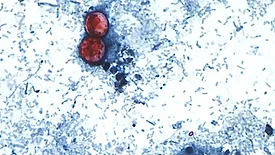
There are an additional six cyclosporiasis outbreaks under investigation and thousands more Cyclospora cases reported by CDC and states. Two deaths have been reported. Stakeholders are urging an end to the Food Traceability Rule delay.
The legislation comes ahead of an impending end-of-year deadline set in the FY 2026 appropriations bill that is expected to remove most currently marketed intoxicating, hemp-derived THC beverages from the legal market by the end of 2026 through the closure of a loophole created by the 2018 Farm Bill.
Four Salmonella Enteritidis ST11 outbreaks identified in France between May and July 2026 were linked to homemade egg-based foods and traced to a common egg distribution network in Poland. The same Polish food group was implicated in another multinational salmonellosis outbreak in 2016–2020.
The microbiological quality of most ready-to-eat (RTE) plant-based meat, dairy, and fish substitutes was satisfactory, but elevated levels of pathogens and indicators in some commodities raised process and hygiene concerns. An analysis of the products’ physico-chemical properties suggested they could support microbial growth.
The researchers determined that probabilistic modeling could help food businesses capitalize on existing scientific data to map processing and formulation conditions for controlling non-proteolytic C. botulinum in refrigerated, processed foods of extended durability.
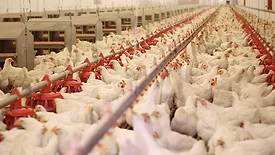
Oxford University researchers found that the expansion of dense, industrial chicken farming created conditions that enabled Campylobacter strains to spread, mix, and acquire traits that could improve their survival in poultry production environments.
The resource provides recommendations and examples for implementing FSMA Preventive Controls for Human Foods Rule requirements to control known or reasonably foreseeable biological hazards in fresh-cut produce.
 RSS
RSS