Food Safety
search
Ask Food Safety AI
cart
facebook twitter linkedin
  • Sign In
  • Create Account
  • Sign Out
  • My Account
Food Safety
  • NEWS
    • Latest News
    • White Papers
  • PRODUCTS
  • TOPICS
    • Contamination Control
    • Food Types
    • Management
    • Process Control
    • Regulatory
    • Sanitation
    • Supply Chain
    • Testing and Analysis
  • PODCAST
  • EXCLUSIVES
    • Food Safety Five Newsreel
    • eBooks
    • FSM Distinguished Service Award
    • Interactive Product Spotlights
    • Videos
  • BUYER'S GUIDE
  • MORE
    • ENEWSLETTER >
      • Archive Issues
      • Subscribe to eNews
    • Store
    • Sponsor Insights
    • ASK FSM AI
  • WEBINARS
  • FOOD SAFETY SUMMIT
  • EMAG
    • eMagazine
    • Archive Issues
    • Editorial Advisory Board
    • Contact
    • Advertise
  • SIGN UP!
NewsContamination ControlFood TypeChemicalIngredients

Study Finds Chocolate Made from West African, Asian Cocoa Have Lowest Cadmium, Lead Levels
By Bailee Henderson
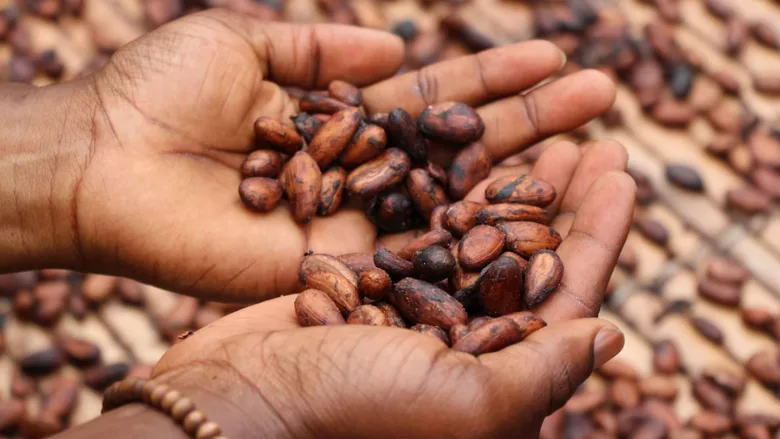
two hands full of dried cocoa beans

Image credit: Etty Fidele via Unsplash

June 18, 2024

In light of recently raised concerns about the levels of toxic heavy metals in chocolate, researchers from Tulane University assessed the levels and risks of toxic metals in chocolates sold in the U.S., made from cocoa originating from different global regions. The findings revealed that, in nearly all chocolate samples, toxic heavy metals were below the recommended safe levels, although the levels of certain metals varied depending upon the origins of the cocoa beans used to make the chocolates.

The presence of contaminants in cacao-derived products such as chocolates has raised global health concerns. For example, in 2022 and in 2023, Consumer Reports produced the findings of two research projects suggesting a concerning presence of cadmium and lead among chocolates and cocoa-containing products. Tulane researchers’ findings indicate, however, that an ounce of dark chocolate daily poses no health concern for adults, with only minor concern for children’s exposure to cadmium.

To explore the extent to which toxic heavy metals in chocolates pose a health risk to U.S. consumers, the Tulane researchers collected 155 chocolate samples and assessed them for 16 elements (arsenic, cadmium, cobalt, copper, iron, lead, magnesium, manganese, molybdenum, nickel, selenium, strontium, thallium, thorium, uranium, and zinc). Purchased from brick-and-mortar national supermarkets and online retailers, the pool of samples mostly represented brands Alter Eco, Beyond Good, Blanxart, Chuao, Dick and Taylor, Dove, Endangered Species, Ghirardelli, Hershey, Ki'Xocolatl, Lindt, Lily's, Marou, Napolitains, Pralus Pyramid, Taza, and Theo. The provenance of cacao for the chocolate samples was categorized into five major regions: West Africa (33 samples), South America (27 samples), Asia Pacific (ten samples), Central America (ten samples), and East Africa (nine samples), as well as mixed-origin cacao sourced from various regions (61 samples). The origins of four samples were unknown.

The potential non-carcinogenic risk of long-term exposure to contaminants (cadmium, lead, nickel, arsenic, and uranium) was determined using hazard quotient (HQ) or hazard index (HI), proposed by the U.S. Environmental Protection Agency (EPA). Intakes of toxic metals cadmium, lead, nickel, arsenic, and uranium were estimated assuming daily chocolate consumption of one ounce.

Analysis of the samples showed that dark chocolates (50 percent or more cocoa content) sourced from Central and South America exhibited the highest mean levels of cadmium, and South American samples also contained elevated lead. On the other hand, samples from West Africa and Asia had low cadmium and lead, respectively. Higher cacao contents showed strong association with cadmium and nickel levels, and moderate association with arsenic. Weak association of cocoa contents with lead and uranium indicates post-harvest contamination, rather than contamination of the cocoa bean during cultivation.

Cadmium levels in chocolate samples ranged from 0.3–843 micrograms per kilogram (µg/kg), with the highest level of 843 µg/kg found in Lok Dark Chocolate (with 100 percent cocoa) from Columbia, followed by Marou from Vietnam (722 µg/kg), Mexican Vivio Foods organic cacao powder (689 µg/kg), and Peruvian Pascha dark chocolate chips (536 µg/kg). Only the chocolate sample from Colombia exceeded the maximum level for cadmium set by the European Commission (800 µg/kg). However, two samples exceeded the state of California's interim level for cadmium in samples with 65–95 percent cacao content (450 µg/kg).

Regarding lead, levels in samples ranged from 1.9–632 µg/kg, with the highest level of 632 µg/kg found in in Napolitains Dark from Venezuela, followed by Blanxart chocolate from Peru (525 μg/kg). These two dark chocolate samples also exceeded California’s interim level of 150 µg/kg for chocolates with 65–95 percent cacao content.

Looking for quick answers on food safety topics?
Try Ask FSM, our new smart AI search tool.
Ask FSM →

For the most part, the levels of toxic heavy metals in the chocolate samples did not exceed EPA HQ/HI values. Still, some samples surpassed safe levels of cadmium and/or combined levels of toxic heavy metals for children weighing 15 kilograms kg (33 pounds) or less. Specifically, the HQ for cadmium was exceeded in four samples, and the HI for cumulative risk of cadmium, lead, nickel, arsenic, and uranium was exceeded in 33 dark chocolates, indicating potential non-carcinogenic risks for children, but not for adults.

Interestingly, the researchers also found the sampled dark chocolates to contain significant levels of copper, iron, magnesium, manganese, and zinc, which can also restrict bioavailability of cadmium and lead.


KEYWORDS: cadmium chocolate lead study toxic heavy metals Tulane University

Share This Story

Baileehendersonmay23

Bailee Henderson is the Digital Editor of Food Safety Magazine. She can be reached at hendersonb@bnpmedia.com.

Recommended Content

JOIN TODAY
to unlock your recommendations.

Already have an account? Sign In

  • people holding baby chicks

    Serovar Differences Matter: Utility of Deep Serotyping in Broiler Production and Processing

    This article discusses the significance of Salmonella in...
    Methods
    By: Nikki Shariat Ph.D.
  • woman washing hands

    Building a Culture of Hygiene in the Food Processing Plant

    Everyone entering a food processing facility needs to...
    Management
    By: Richard F. Stier, M.S.
  • graphical representation of earth over dirt

    Climate Change and Emerging Risks to Food Safety: Building Climate Resilience

    This article examines the multifaceted threats to food...
    Management
    By: Maria Cristina Tirado Ph.D., D.V.M. and Shamini Albert Raj M.A.
Manage My Account
  • eMagazine Subscription
  • Subscribe to eNewsletter
  • Manage My Preferences
  • Website Registration
  • Subscription Customer Service

More Videos

Sponsored Content

Sponsored Content is a special paid section where industry companies provide high quality, objective, non-commercial content around topics of interest to the Food Safety Magazine audience. All Sponsored Content is supplied by the advertising company and any opinions expressed in this article are those of the author and not necessarily reflect the views of Food Safety Magazine or its parent company, BNP Media. Interested in participating in our Sponsored Content section? Contact your local rep!

close
  • Salmonella bacteria
    Sponsored byThermoFisher

    Food Microbiology Testing Methods: Salmonella species

  • a diagram explaining indicator organisms
    Sponsored byHygiena

    How Proactive Listeria Testing Helps Prevent Six- and Seven-Figure Recalls

  • woman grocery shopping
    Sponsored byCorbion

    Designing Safety Into Every Bite: Proactive Risk Mitigation for Refrigerated Foods

Popular Stories

NRTE breaded stuffed chicken

USDA Indefinitely Delays Enforcement of Salmonella as Adulterant in Raw Breaded, Stuffed Chicken

digital map of europe

EU Publishes Food Fraud Tool Mapping Thousands of Cases Since 2016

non-conforming product

How to Handle Non-Conforming Product

Events

December 11, 2025

How to Develop and Implement an Effective Food Defense Strategy

Live: December 11, 2025 at 2:00 pm EDT: From this webinar, attendees will learn common areas where companies encounter challenges in their food defense strategies and how to address them.

May 11, 2026

The Food Safety Summit

Stay informed on the latest food safety trends, innovations, emerging challenges, and expert analysis. Leave the Summit with actionable insights ready to drive measurable improvements in your organization. Do not miss this opportunity to learn from experts about contamination control, food safety culture, regulations, sanitation, supply chain traceability, and so much more.

View All

Products

Global Food Safety Microbial Interventions and Molecular Advancements

Global Food Safety Microbial Interventions and Molecular Advancements

See More Products

Related Articles

  • chocolate batter in a bowl on a stand mixer

    Consumer Reports Finds High Levels of Cadmium, Lead in One-Third of Chocolate Products

    See More
  • chocolate bars and cocoa beans

    Study Finds Concerning Levels of Toxic Heavy Metals in Dark Chocolate

    See More
  • cocoa nibs

    New Recommendations for Reducing Cadmium, Lead in Cocoa

    See More

Related Products

See More Products
  • food-safety-making.jpg

    Food Safety: Making Foods Safe and Free From Pathogens

  • 9781498721776.jpg

    Handbook of Food Processing: Food Safety, Quality, and Manufacturing Processes

  • Food-Forensics-3D.jpg

    Food Forensics Handbook Practice, Instrumentation, Case Studies

See More Products
×

Never miss the latest news and trends driving the food safety industry

eNewsletter | Website | eMagazine

JOIN TODAY!
  • RESOURCES
    • Advertise
    • Contact Us
    • Directories
    • Store
    • Want More
  • SIGN UP TODAY
    • Create Account
    • eMagazine
    • eNewsletter
    • Customer Service
    • Manage Preferences
  • SERVICES
    • Marketing Services
    • Reprints
    • Market Research
    • List Rental
    • Survey/Respondent Access
  • STAY CONNECTED
    • LinkedIn
    • Facebook
    • Instagram
    • X (Twitter)
  • PRIVACY
    • PRIVACY POLICY
    • TERMS & CONDITIONS
    • DO NOT SELL MY PERSONAL INFORMATION
    • PRIVACY REQUEST
    • ACCESSIBILITY

Copyright ©2025. All Rights Reserved BNP Media.

Design, CMS, Hosting & Web Development :: ePublishing