The Baby Food Protection Act aims to set enforceable limits for total arsenic, lead, cadmium, and mercury, as well as a state testing program and labeling requirements for manufacturers.
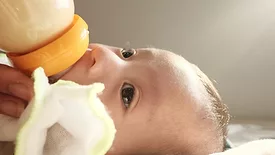
In a survey of 48 packaged baby foods from 11 brands, 96 percent contained heavy metals below Consumer Reports’ level of concern. However, alates were detected in most products tested, and microplastics were found in all analyzed purees.
Of the 21 popular packaged children’s snacks, 14 contained at least one contaminant at levels Consumer Reports considered concerning. Conversely, testing also showed generally low levels of heavy metals, and seven products had no contaminants above CR’s levels of concern.
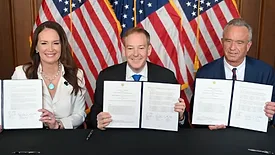
The Memorandum of Understanding expands interagency collaboration on food contaminant monitoring, including for toxic heavy metals and per- and polyfluoroalkyl substances (PFAS), under the National Residue Program.
In this episode of Food Safety Matters, we speak to exposure scientist and toxicologist Dr. Alex LeBeau about the generation, interpretation, and responsible communication of food contaminant testing data—a conversation raised by recent reports on arsenic in candy from Florida officials.
Effective July 20, to support risk surveillance, the agency will perform metals analysis on samples that are already collected for allergen verification.
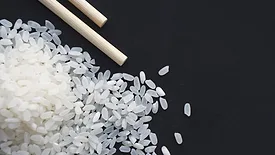
The investigation analyzed 142 samples representing 52 rice products. Notably, 17 products contained average inorganic arsenic concentrations of at least 100 parts per billion. Rice type significantly influenced average concentrations.
The Canadian Food Inspection Agency (CFIA) has published the most recent findings from its Children’s Food Project and National Chemical Residue Monitoring Program, which test foods for toxic heavy metals, veterinary drugs, pesticides, and other substances.
On May 26, Vermont Governor Phil Scott signed into law two bills related to food chemical safety; specifically, the nation’s first state-level ban on paraquat (H.739) and legislation setting heavy metals testing and disclosure requirements for baby food manufacturers (H.536).
Samples were tested for arsenic, cadmium, lead, mercury, PFAS, pesticides, and phthalates/plasticizers. When toxic heavy metals were detected in some samples, it was at levels far below EPA drinking water limits.