Food Safety
search
Ask Food Safety AI
cart
facebook twitter linkedin instagram youtube
  • Sign In
  • Create Account
  • Sign Out
  • My Account
Food Safety
  • NEWS
    • Latest News
    • White Papers
  • PRODUCTS
  • TOPICS
    • Contamination Control
    • Food Types
    • Management
    • Process Control
    • Regulatory
    • Sanitation
    • Supply Chain
    • Testing and Analysis
  • PODCAST
  • EXCLUSIVES
    • Food Safety Five Newsreel
    • eBooks
    • FSM Distinguished Service Award
    • Interactive Product Spotlights
    • Videos
  • BUYER'S GUIDE
  • MORE
    • NEWSLETTERS >
      • Archive Issues
      • Subscribe to eNews
    • Store
    • Sponsor Insights
    • ASK FSM AI
  • WEBINARS
  • FOOD SAFETY SUMMIT
  • EMAG
    • eMagazine
    • Archive Issues
    • Editorial Advisory Board
    • Contact
    • Advertise
  • SIGN UP!
NewsContamination ControlManagementRegulatoryInternationalChemicalInternational Standards/Harmonization

French Food Safety Agency Releases New Total Diet Study Results
By Food Safety Magazine Editorial Team
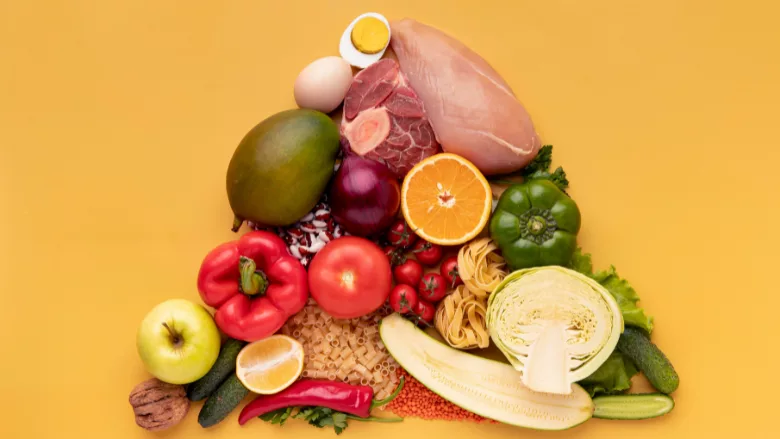
a variety of whole foods including vegetables, meats, nuts, bread, and pasta arranged in a pyramid shape laid against a yellow backdrop
Image credit: Freepik
February 25, 2026

The French National Agency for Food, Environmental, and Occupational Health and Safety (ANSES) has published the first set of results from the third Total Diet Study and Evaluation of Targeted Assessment (EAT3), providing an updated overview of chemical contaminants in food and exposure levels in the French population.

EAT3, which was launched in 2018, includes more than 250 substances. The results will be published over time by substance group.

The second Total Diet Study and Evaluation of Targeted Assessment (EAT2) was conducted between 2006 and 2011 and analyzed 445 substances. The EAT studies involve the collection of food samples, preparation of the samples in a way that is representative of the general population’s habits, and laboratory analysis to identify and quantify chemical substances present in the prepared samples.

The first set of results from EAT 3 focuses on acrylamide and several metals, including silver, cadmium, lead, aluminum, and mercury.

Future EAT 3 results will cover other trace elements and metals, substances from food contact materials such as bisphenols and phthalates, pesticide residues, per- and polyfluoroalkyl substances (PFAS), and other contaminants.

Overall Levels of Several Metals are Decreasing, but Not in All Foods

EAT3 shows an overall decrease in the average concentration of acrylamide, silver, aluminum, cadmium, and lead in food. However, increases were still observed in certain food groups; most notably in some cereal-based products such as bread, sweet biscuits, pastries, and pasta. Additionally, the concentrations of the contaminants measured in the first part of EAT3 are increasing in some vegetables.

The risk assessments for most of the contaminants studied so far in EAT3 reached the same conclusions as those in EAT2. Specifically, exposures to acrylamide, cadmium, lead, aluminum, and methylmercury remain concerningly high for all or parts of the population.   

Looking for quick answers on food safety topics?
Try Ask FSM, our new smart AI search tool.
Ask FSM →

Limiting Methylmercury Exposure from Fish

A difference between the EAT3 and EAT2 analyses is the exclusion of the risk associated with inorganic mercury, which was not previously possible.

Regarding methylmercury, which is found primarily in all types of fish, contamination and exposure levels reported in EAT3 are similar to those observed in EAT2. Predatory fish at the top of the food chain, such as tuna, have the highest methylmercury concentrations. To limit the risk of overexposure to methylmercury while gaining the nutritional benefits of fish, ANSES recommends consuming two portions of fish per week, including one oily fish, while making sure to vary the species and sources.

Lead Exposure is Decreasing

Between EAT2 and EAT3, average dietary exposure to lead has decreased by 27–41 percent in children and 37–49 percent in adults, reflecting the effect of policies banning the use of lead in gasoline, water pipes, paints, and other sources.

Although water remains a major driver of lead exposure, other important contributors include bread, vegetables, and alcoholic beverages.

Acrylamide Levels are Going Down, but Further Improvement is Necessary

Acrylamide is a compound that forms during high-temperature cooking processes (above 120 °C), such as frying or roasting, in foods rich in starch or certain other sugars, and in specific amino acids such as asparagine. Fried potatoes, sauteed potatoes, potato chips, and cookies are the foods most likely to be contaminated by acrylamide.

Between EAT2 and EAT3, average acrylamide concentrations decreased in the most highly contaminated foods that were the main contributors to exposure. Most notably, acrylamide is no longer detected in coffee. These reductions reflect the effectiveness of mitigation measures implemented by the food industry in recent years to decrease the presence of acrylamide in food.

However, ANSES warns that consumer exposure to acrylamide remains worryingly high, and encourages continued efforts to reduce concentrations in food, especially in French fries and fried potatoes, which are major contributors to exposure.

Main Sources of Cadmium Exposure

The main food groups contributing to cadmium exposure in EAT3 were similar to those identified in EAT2, which are: potatoes, vegetables, and wheat-based products such as bread, pasta, pastries, cakes, and biscuits. Mollusks and crustaceans are also a main driver of cadmium exposure for people who eat them regularly.


KEYWORDS: acrylamide cadmium exposure science France lead mercury methylmercury Total Diet Study toxic heavy metals

Share This Story

Fsm purple logo 200x200

The Food Safety Magazine editorial team comprises Bailee Henderson, Digital Editor ✉; Adrienne Blume, M.A., Editorial Director; and Stacy Atchison, Publisher.

Recommended Content

JOIN TODAY
to unlock your recommendations.

Already have an account? Sign In

  • people holding baby chicks

    Serovar Differences Matter: Utility of Deep Serotyping in Broiler Production and Processing

    This article discusses the significance of Salmonella in...
    Testing & Analysis
    By: Nikki Shariat Ph.D.
  • woman washing hands

    Building a Culture of Hygiene in the Food Processing Plant

    Everyone entering a food processing facility needs to...
    Management
    By: Richard F. Stier, M.S.
  • graphical representation of earth over dirt

    Climate Change and Emerging Risks to Food Safety: Building Climate Resilience

    This article examines the multifaceted threats to food...
    Risk Assessment
    By: Maria Cristina Tirado Ph.D., D.V.M. and Shamini Albert Raj M.A.
Manage My Account
  • eMagazine Subscription
  • Subscribe to Newsletters
  • Manage My Preferences
  • Website Registration
  • Subscription Customer Service

More Videos

Sponsored Content

Sponsored Content is a special paid section where industry companies provide high quality, objective, non-commercial content around topics of interest to the Food Safety Magazine audience. All Sponsored Content is supplied by the advertising company and any opinions expressed in this article are those of the author and not necessarily reflect the views of Food Safety Magazine or its parent company, BNP Media. Interested in participating in our Sponsored Content section? Contact your local rep!

close
  • factory
    Sponsored byIFC

    A Clean Break to Reset the Environment with Chlorine Dioxide

  • Salmonella bacteria
    Sponsored byThermoFisher

    Food Microbiology Testing Methods: Salmonella species

  • a diagram explaining indicator organisms
    Sponsored byHygiena

    How Proactive Listeria Testing Helps Prevent Six- and Seven-Figure Recalls

Popular Stories

man working in a cheese warehouse smiling at camera holding laptop

FDA Announces FSMA 204 Stakeholder Engagement Initiative, Releases Guidance

Processed chips snacks and candies

RFK Jr. Highlights FDA’s Focus on GRAS Rule, But Makes No Promises

test swab and tube

Study Shows How Swab Storage Time, Temperature Affect Allergen Detection

Events

March 3, 2026

FDA/USDA Regulatory Updates: Food Safety Work Plans for 2026

Live: March 3, 2026 at 2:00 pm EST: In this high-level, exclusive webinar, FDA Deputy Commissioner for Human Foods Kyle Diamantas and USDA Under Secretary for Food Safety Mindy Brashears, Ph.D. will share their agencies' regulatory priorities and work plans for 2026 and beyond.

May 11, 2026

The Food Safety Summit

Stay informed on the latest food safety trends, innovations, emerging challenges, and expert analysis. Leave the Summit with actionable insights ready to drive measurable improvements in your organization. Do not miss this opportunity to learn from experts about contamination control, food safety culture, regulations, sanitation, supply chain traceability, and so much more.

View All

Products

Global Food Safety Microbial Interventions and Molecular Advancements

Global Food Safety Microbial Interventions and Molecular Advancements

See More Products

Related Articles

  • Food groups

    FDA Releases Interactive Tool for Total Diet Study Data, Emphasizes Food Chemical Safety

    See More
  • raw tilapia filets

    Latest FDA Total Diet Study Testing Finds PFAS in 7 Percent of Samples

    See More
  • FDA’s Total Diet Study: Monitoring U.S. Food Supply Safety

    See More

Related Products

See More Products
  • 1119053595.jpg

    Food Safety for the 21st Century: Managing HACCP and Food Safety throughout the Global Supply Chain, 2E

  • 9781498721776.jpg

    Handbook of Food Processing: Food Safety, Quality, and Manufacturing Processes

  • 1119160553.jpg

    Food Safety: Innovative Analytical Tools for Safety Assessment

See More Products
×

Never miss the latest news and trends driving the food safety industry

Newsletters | Website | eMagazine

JOIN TODAY!
  • RESOURCES
    • Advertise
    • Contact Us
    • Directories
    • Store
    • Want More
  • SIGN UP TODAY
    • Create Account
    • eMagazine
    • Newsletters
    • Customer Service
    • Manage Preferences
  • SERVICES
    • Marketing Services
    • Reprints
    • Market Research
    • List Rental
    • Survey/Respondent Access
  • STAY CONNECTED
    • LinkedIn
    • Facebook
    • Instagram
    • X (Twitter)
  • PRIVACY
    • PRIVACY POLICY
    • TERMS & CONDITIONS
    • DO NOT SELL MY PERSONAL INFORMATION
    • PRIVACY REQUEST
    • ACCESSIBILITY

Copyright ©2026. All Rights Reserved BNP Media.

Design, CMS, Hosting & Web Development :: ePublishing