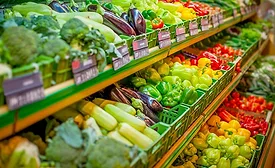
As regulatory requirements continue to evolve and consumer expectations increase, organizations across the fresh produce supply chain must adopt a proactive approach to risk management that emphasizes prevention, verification, transparency, and continuous improvement.
In August 28 social media posts, President Trump and USDA Secretary Rollins alluded to plans to give ranchers and farmers the ability to process their own meats and other efforts to cut “red tape.” Industry groups said these actions would jeopardize food safety and consumer confidence.
Three Salmonella Enteritidis outbreak clusters potentially associated with imported eggs, one of which is part of a broader EU-wide outbreak, are under investigation. There is no evidence implicating UK-produced eggs. UKHSA emphasized that the overall risk to the public is low.
FDA’s post-incident Executive Incident Summary of a 2026 Salmonella outbreak linked to MOGO-brand moringa supplements details traceback findings, positive product samples, and food safety deficiencies identified during inspections of firms in the moringa powder supply chain.
Researchers observed inflammatory responses, gut barrier damage, and immune effects relevant to allergy development in experiments with two emulsifiers, soy lecithin and DATEM. Study author Dr. Cezmi Akdis said the findings support a more comprehensive framework for evaluating food additive safety.
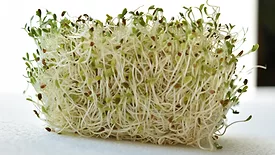
Outbreak strains include STEC serotypes O26:H11, O103:H25, and O168:H8 and one strain of Salmonella Agona. Some people were infected with more than one outbreak strain. The implicated products were distributed by Everything Sprouts LLC of Minneapolis, Minnesota.
The research and development center is designed to provide shared infrastructure for developing and testing emerging food technologies, biomaterials, and other products. It will offer industry, academics, and nonprofits with access to prototyping, characterization, culinary testing, and early-stage consumer testing resources.
A new web portal allows small and very small establishments regulated by USDA-FSIS to submit appeals outsideof the Public Health Information System, supporting efforts to improve service and reduce regulatory burden for small meat and poultry processors.
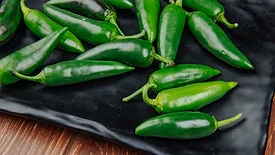
There have been 57 hospitalizations. The peppers were grown in Sinaloa, Mexico, and distributed by Coast Citrus Distributors to companies across the U.S., including Chipotle, which used its traceability system to help FDA identify the outbreak source.
FDA recently proposed the most significant changes to its GRAS framework since 1958. For companies managing ingredient compliance, the proposed mandatory filing obligations raise questions about statutory authority, agency capacity, and whether its design matches its stated objectives.
 RSS
RSS