Food Safety
search
Ask Food Safety AI
cart
facebook twitter linkedin instagram youtube
  • Sign In
  • Create Account
  • Sign Out
  • My Account
Food Safety
  • NEWS
    • Latest News
    • Sponsored Insights
    • Sponsored White Papers
  • PRODUCTS
  • TOPICS
    • Contamination Control
    • Food Types
    • Management
    • Process Control
    • Regulatory
    • Sanitation
    • Supply Chain
    • Testing and Analysis
  • PODCAST
  • EXCLUSIVES
    • Food Safety Five Newsreel
    • eBooks
    • FSM Distinguished Service Award
    • Interactive Product Spotlights
    • Videos
  • BUYER'S GUIDE
  • MORE
    • NEWSLETTERS >
      • Archive Issues
      • Subscribe to eNews
    • Store
    • ASK FSM AI
  • WEBINARS
  • FOOD SAFETY SUMMIT
  • EMAG
    • eMagazine
    • Archive Issues
    • Editorial Advisory Board
    • Contact
    • Advertise
  • SIGN UP!
NewsContamination ControlFood TypeProcess ControlMicrobiological ControlIntervention ControlsPackagingReady-to-eat

Danish Researchers Propose Voluntary Labeling Scheme for Listeria-Stabilized RTE Foods

By Food Safety Magazine Editorial Team
smoked salmon on bread
Image credit: azerbaijan_stockers via Magnific
July 8, 2026

In a new paper published in Current Opinion in Food Science, researchers from the Technical University of Denmark National Food Institute (DTU-NFI) proposed a voluntary labeling scheme for ready-to-eat (RTE) foods designed to help consumers identify products in which Listeria monocytogenes growth is inhibited, with the goal of reducing listeriosis cases.

The researchers suggested that manufacturers be allowed to use the label claim "STABILIZED" on RTE products if they can demonstrate that L. monocytogenes cannot grow in the product throughout its stated shelf life. The researchers believe such a label would help consumers identify products with a lower risk of transmitting listeriosis, which is especially important information for vulnerable populations.

“The label should only be used by producers who can demonstrate that Listeria cannot grow in their products,” said Lisbeth Truelstrup Hansen, Ph.D., author on the paper and DTU-NFI Professor of Microbiology and Hygiene.

 European Food Businesses Face Stricter Listeria Standards for RTE Foods

The proposal comes as new EU requirements took effect on July 1, 2026, which extend the responsibility for ensuring that RTE foods placed on the market will not support the growth of L. monocytogenes above 100 colony forming units (CFU/g) throughout their shelf life from just the original food manufacturer to food business operators across the supply chain.

Additionally, under the regulations, if manufacturers cannot validate that an RTE food will not support the growth of L. monocytogenes above the threshold, the pathogen must be absent from a 25-gram sample before the product is placed on the market.

Addressing Rising Listeriosis Rates Across EU

The incidence of listeriosis in the EU increased from 0.40 cases per 100,000 people in 2010 to 0.69 cases per 100,000 in 2024, according to DTU-NTI. The disease has an estimated case fatality rate of 15.6 percent and is most commonly associated with RTE foods, including smoked fish, deli meats, and soft cheeses made from unpasteurized milk.

DTU-NFI researcher Martin Laage Kragh, M.Sc., the paper’s first author, explained that the proposed label scheme would help reduce the number of listeriosis infections while allowing vulnerable population groups, such as older adults, to confidently eat RTE foods that, aside from being prone to L. monocytogenes contamination, are otherwise healthy and nutritious (e.g., smoked fish).

Looking for quick answers on food safety topics?
Try Ask FSM, our new smart AI search tool.
Ask FSM →

Protecting Against Listeria Growth Through Formulation, Processing

The researchers argued that cleaning and sanitation remain essential to Listeria control in food production environments, but these practices alone have not been sufficient to reverse increasing listeriosis rates. The researchers advocated for combining existing hygiene measures with product stabilization strategies to prevent L. monocytogenes from growing if contamination occurs.

Products can be stabilized through formulation or processing changes that inhibit Listeria growth. Examples include adding small amounts of vinegar during the salting of smoked or marinated fish, reducing product shelf life, freezing products, or applying heat or high-pressure processing to packaged foods. The appropriate approach depends on the food category.

“Many products have a shelf life that is too long given the way they are made. But by changing the recipe—and often this requires only a small change—the products can be made safe,” said study author and DTU National Food Institute Professor Emeritus Paw Dalgaard, Ph.D.

Considering Product Formulation in Outbreak Investigations

The authors also recommended expanding outbreak investigations beyond identifying the contamination source to evaluate whether product formulation, preservation methods, or shelf-life practices contributed to pathogen growth. They suggested that identifying these factors could help prevent recurring outbreaks associated with the same products or manufacturers.


KEYWORDS: Denmark EU Europe labeling listeria shelf life study

Share This Story

Fsm purple logo 200x200

The Food Safety Magazine editorial team comprises Bailee Henderson, Director of Content Strategy and news editor ✉, and Adrienne Blume, M.A., Director of Editorial and Industry Engagement.

Recommended Content

JOIN TODAY
to unlock your recommendations.

Already have an account? Sign In

  • people holding baby chicks

    Serovar Differences Matter: Utility of Deep Serotyping in Broiler Production and Processing

    This article discusses the significance of Salmonella in...
    Meat/Poultry
    By: Nikki Shariat Ph.D.
  • woman washing hands

    Building a Culture of Hygiene in the Food Processing Plant

    Everyone entering a food processing facility needs to...
    Food Prep/Handling
    By: Richard F. Stier, M.S.
  • graphical representation of earth over dirt

    Climate Change and Emerging Risks to Food Safety: Building Climate Resilience

    This article examines the multifaceted threats to food...
    Risk Assessment
    By: Shamini Albert Raj M.A. and Maria Cristina Tirado Ph.D., D.V.M.
Manage My Account
  • eMagazine Subscription
  • Subscribe to Newsletters
  • Manage My Preferences
  • Website Registration
  • Subscription Customer Service

More Videos

Sponsored Content

Sponsored Content is a special paid section where industry companies provide high quality, objective, non-commercial content around topics of interest to the Food Safety Magazine audience. All Sponsored Content is supplied by the advertising company and any opinions expressed in this article are those of the author and not necessarily reflect the views of Food Safety Magazine or its parent company, BNP Media. Interested in participating in our Sponsored Content section? Contact your local rep!

close
  • an automated industrial production line used in a modern food factory
    Sponsored byIFC

    A Formula for Food Processing Pest Management

  • fly
    Sponsored byOrkin Commercial

    Fly Control in Food Processing Facilities: Managing Seasonal Food Safety Risks

  • Darkling Beetle
    Sponsored byElanco Animal Health

    Integrated Pest Management: Protecting Poultry Operations as Seasons Change

Popular Stories

U.S. Food and Drug Administration (FDA).

FDA to Hire 2,200 Staffers as it Narrows Search for Commissioner, Names Produce Safety Director

dry instant noodles pack

Salmonella-Contaminated Instant Noodles Sicken Dozens of Children Across Europe

naturally colored cupcakes with sprinkles

Natural vs. Artificial Ingredients in Baking: What Food Manufacturers and Consumers Need to Know

building a skilled workforce ebook

Events

July 21, 2026

Using AI Responsibly in Food Safety Management Systems

Live: July 21, 2026 at 2:00 pm EDT: This webinar will provide participants with guidance on how to effectively use generative artificial intelligence (AI) tools to develop key components of a food safety management system (FSMS).

August 6, 2026

Beyond Sanitation: Understanding the Hidden System Conditions That Allow Pathogens to Persist

Live: August 6, 2026 at 2:00 pm EDT: Attend this webinar to learn strategies for strengthening environmental control programs through a layered approach to pathogen management.

August 25, 2026

Don’t Wing It: Bird Control for Food Processing Facilities

Live: August 25, 2026 at 2:00 pm EDT: This webinar will cover why managing bird activity should be a priority for your business, the complexities involved in effective bird control, and proactive strategies to help protect your facility.

View All

Products

Global Food Safety Microbial Interventions and Molecular Advancements

Global Food Safety Microbial Interventions and Molecular Advancements

See More Products

Related Articles

  • 3d rendering of rod shaped bacteria

    Stricter EU Regulations on Listeria in RTE Foods Now in Effect; Ireland Offers Compliance Guidance

    See More
  • 3d rendering of rod shaped bacteria

    EU Expands Responsibility for Listeria Criteria in RTE Foods to Additional Food Business Operators

    See More
  • wheel of soft fresh RTE cheese

    CFA Offers Industry-Led Guidance on EU and UK Listeria Criteria for RTE Foods

    See More

Related Products

See More Products
  • food-safety-making.jpg

    Food Safety: Making Foods Safe and Free From Pathogens

  • 1119053595.jpg

    Food Safety for the 21st Century: Managing HACCP and Food Safety throughout the Global Supply Chain, 2E

  • 1119160553.jpg

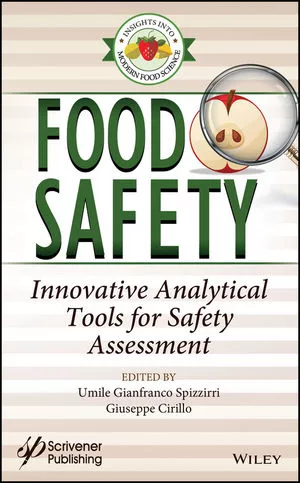
    Food Safety: Innovative Analytical Tools for Safety Assessment

See More Products

Events

View AllSubmit An Event
  • December 4, 2025

    Beyond Detection: How Integrated PCR Diagnostics Strengthen Food Safety in RTE Manufacturing

    On Demand: From this webinar, attendees will learn best practices for prevention of FM contamination at the corporate and plant levels.
View AllSubmit An Event
×

Never miss the latest news and trends driving the food safety industry

Newsletters | Website | eMagazine

JOIN TODAY!
  • RESOURCES
    • Advertise
    • Contact Us
    • Directories
    • Store
    • Want More
  • SIGN UP TODAY
    • Create Account
    • eMagazine
    • Newsletters
    • Customer Service
    • Manage Preferences
  • SERVICES
    • Marketing Services
    • Reprints
    • Market Research
    • List Rental
    • Survey/Respondent Access
  • STAY CONNECTED
    • LinkedIn
    • Facebook
    • Instagram
    • X (Twitter)
  • PRIVACY
    • PRIVACY POLICY
    • TERMS & CONDITIONS
    • DO NOT SELL MY PERSONAL INFORMATION
    • PRIVACY REQUEST
    • ACCESSIBILITY

Copyright ©2026. All Rights Reserved BNP Media, Inc. and BNP Media II, LLC.

Design, CMS, Hosting & Web Development :: ePublishing