UC Davis Researchers Find Widespread Authenticity Issues with Avocado Oil in Processed Foods
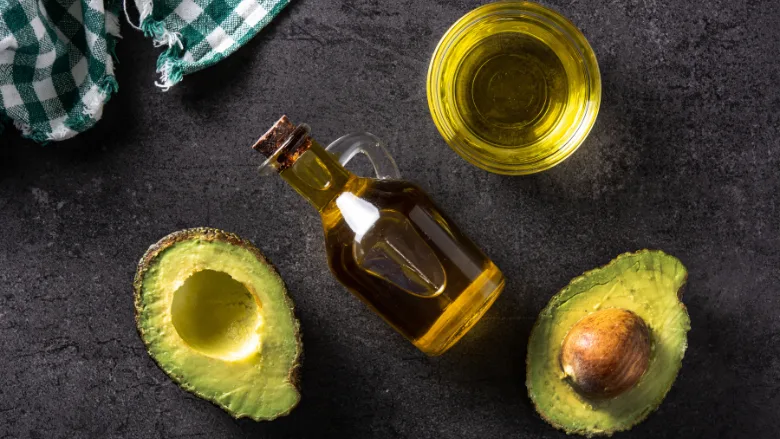
A new University of California, Davis (UC Davis) study has suggested that avocado oil used as an ingredient in many processed foods may not match label claims, raising concerns about ingredient authenticity and supply chain oversight.
Oils in Chips, Mayonnaise, and Salad Dressings Do Not Match Label Claims
Published in Applied Food Research, the study analyzed oils extracted from 74 commercially available chips, mayonnaise products, and salad dressings labeled as containing either avocado oil or olive oil as the sole declared edible oil. Researchers found that 48 of 54 avocado oil-labeled products (89 percent) exhibited compositional profiles inconsistent with authentic avocado oil, compared to one of 20 olive oil-labeled products.
Among the avocado oil-labeled products tested, 93 percent of chips, 71 percent of mayonnaise products, and all salad dressings contained fatty acid and sterol profiles indicating the presence of other oils, according to the researchers.
Processing Does Not Explain Discrepancies
The study evaluated oil authenticity using established fatty acid and sterol markers, which serve as compositional "fingerprints" for edible oils. To determine whether food processing could account for deviations, researchers conducted laboratory frying and emulsification experiments and found only minor changes in authenticity markers, suggesting that typical processing conditions did not explain the compositional differences observed.
The researchers reported that adulterated samples were characterized by reduced concentrations of palmitic acid, palmitoleic acid, cis-vaccenic acid, beta-sitosterol, and clerosterol, along with elevated levels of stearic acid, campesterol, stigmasterol, delta-7-stigmastenol, and delta-7-avenasterol.
The Need for Stronger Verification Protocols
Lead author Selina Wang, Ph.D., Professor of Cooperative Extension in the UC Davis Department of Food Science and Technology, said the findings point to a need for greater verification of premium oil ingredients throughout the supply chain. According to Dr. Wang, many food manufacturers purchase edible oils through third-party brokers or multiple suppliers, making ingredient authentication difficult without routine analytical testing.
The study also found that products marketed with premium oils generally commanded higher retail prices than comparable products made with vegetable oils, although price was not associated with ingredient authenticity.
Looking for quick answers on food safety topics?
Try Ask FSM, our new smart AI search tool.
Ask FSM →
"Consumers are increasingly paying a premium for products made with avocado oil or olive oil,” remarked Dr. Wang. "They deserve to get what they pay for, and food manufacturers deserve confidence that the ingredients they purchase from suppliers are authentic."
Avocado Oil: A Newer Ingredient Requiring Oversight
The findings build on previous UC Davis research examining bottled avocado oil, which reported high rates of rancidity and adulteration in retail products. Unlike olive oil, the authenticity of which has been extensively studied and monitored for decades, avocado oil remains a relatively new premium ingredient with less established oversight, the researchers noted.
The authors concluded that ingredient-level oil authenticity in processed foods remains an underexamined aspect of food integrity. They also said that increased analytical monitoring could improve labeling transparency and strengthen confidence in premium oil claims.