Salmonella-Contaminated Instant Noodles Sicken Dozens of Children Across Europe
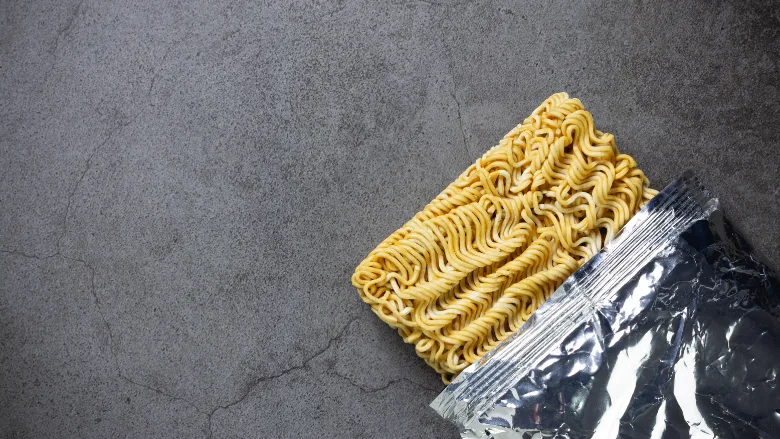
The European Food Safety Authority (EFSA) and the European Center for Disease Prevention and Control (ECDC) have identified flavored instant noodle products as the most likely source of an ongoing multi-country outbreak of Salmonella Stanley ST2045 infections.
As of June 27, 2026, 106 confirmed outbreak cases had been reported in 13 EU/European Economic Area (EEA) countries and the UK. The outbreak began in November 2025 and has disproportionately affected children and young adults, resulting in at least 49 hospitalizations. More than 30 additional S. Stanley cases have also been identified but have not yet been confirmed via whole genome sequencing (WGS) analysis.
Products from an unnamed brand manufactured by a single, unspecified producer in Ukraine are the most likely vehicle of infection.
Although recalls have been issued in several countries including Germany, Latvia, and Lithuania according to the relevant Rapid Alert System for Food and Feed (RASFF) notification, EFSA and ECDC cautioned the public that the contamination source has not yet been identified and that, because the products have a long shelf life, contaminated products may still be stored in consumers' homes.
Outbreak Investigation Overview
The earliest confirmed illnesses occurred in November 2025. Denmark first detected the outbreak cluster and notified the European surveillance platform EpiPulse in March 2026. As genetically related cases were identified in other countries, investigators recognized a multinational outbreak linked by a common strain, S. Stanley ST2045.
Product sampling conducted by German officials detected the outbreak strain in chicken-flavored instant noodles collected during official controls in April, prompting a RASFF notification in May 2026. Lithuania subsequently identified the outbreak strain in hot chicken-flavored noodles from the same brand, while Estonia detected the outbreak strain in a beef-flavored product from the same manufacturer.
Patient interviews identified flavored instant noodles and processed chicken products as the most common food exposures. A total of 25 confirmed case patients reported eating instant noodles, including 19 who consumed products from the same brand. Although many patients also reported eating chicken products, these products originated from numerous retailers, restaurants, and brands, whereas the noodle products were made by a common manufacturer. Investigators therefore concluded that flavored noodles had the strongest epidemiological evidence suggesting the products as the vehicle of illness.
Looking for quick answers on food safety topics?
Try Ask FSM, our new smart AI search tool.
Ask FSM →
However, additional vehicles of infection cannot yet be ruled out because not every confirmed case reported consuming the implicated products.
Children Report Not Following Product Cooking Directions
Confirmed cases have been reported in Austria (six), Czechia (six ), Denmark (ten), Estonia (nine), France (one), Germany (14), Hungary (one), Latvia (three), Lithuania (23), the Netherlands (one), Norway (one), Poland (one), Sweden (one), and the UK (29). Lithuania and the UK accounted for nearly half of all confirmed illnesses.
The median age of patients was low (comprising young children and adolescents) across most affected countries, and 33 confirmed cases occurred in children younger than ten years old. At least 49 patients required hospitalization.
Investigators noted that some children reported eating the instant noodles and contents of the seasoning packets dry, without adding boiling water as instructed by the package cooking directions.
WGS Strengthened Link Between Human Cases and Noodle Products
Investigators analyzed 49 representative human isolates submitted by nine countries and compared them with food isolates submitted through EFSA's WGS system. Analysis identified two food isolates that matched the human outbreak cluster: one recovered from chicken-flavored noodles sampled in Germany and one from hot chicken-flavored noodles sampled in Lithuania. All analyzed isolates clustered within two allelic differences, providing strong genomic evidence linking the contaminated products to human illnesses.
Several Salmonella Serovars Suggest Multiple Contamination Sources
The investigation also identified additional Salmonella serovars in products from the same manufacturer. Lithuanian testing detected S. Richmond and S. Newport in hot chicken-flavored noodles that also contained the outbreak strain, while Estonian testing identified S. Senftenberg in a different batch of chicken-flavored noodles and the outbreak strain in a beef-flavored product.
According to EFSA and ECDC, these findings suggest that contamination may not be limited to a single event and could involve either multiple contaminated ingredients or multiple contamination points within production. The agencies said additional investigation is needed to determine whether the products share one common contamination source or several distinct sources.
Findings from Traceback and Inspections
Traceback activities showed that multiple flavored noodle varieties—including chicken, hot chicken, beef, duck, shrimp, curry, vegetable, and other flavors—were imported from the same Ukrainian producer beginning in January 2026 and distributed through a Polish wholesaler to Germany, Lithuania, Denmark, Czechia, and the UK, among other markets.
Following the initial positive findings, Germany, Lithuania, Austria, Estonia, and other affected countries implemented withdrawals, recalls, and public warnings. Ukrainian authorities reported conducting an official inspection at the manufacturing facility after being contacted through the European Commission. According to the report, the producer initiated an internal investigation, and testing of the boiled chicken flavoring used at the plant was negative for Salmonella. The products were also confirmed to be sold as non-ready-to-eat foods requiring cooking according to package directions. However, investigators emphasized that the root cause of contamination remains unknown and that investigations are ongoing.