FDA Begins Post-Market Safety Reassessment for BHA
The U.S. Food and Drug Administration (FDA) has begun the safety reassessment process for butylated hydroxyanisole (BHA), a chemical preservative used in food. The review will consider whether BHA is safe under its current conditions of use in food and as a food contact substance, based on the latest scientific information.
As part of the reassessment, the agency issued a Request for Information (RFI) on the use and safety of BHA.
Safety Concerns of BHA as a Food Additive
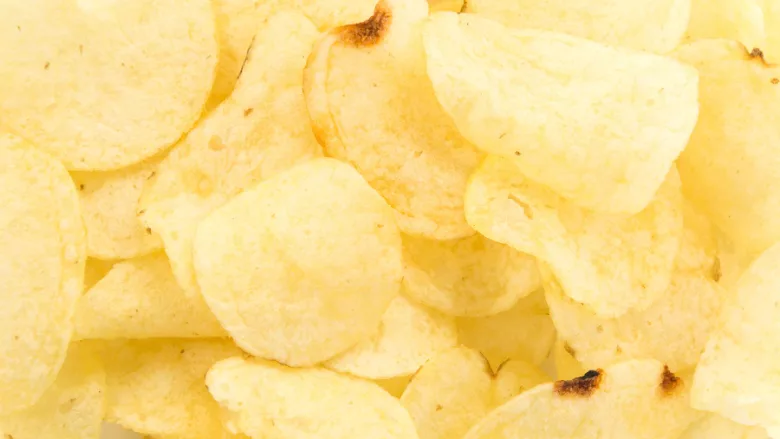
According to FDA, BHA was listed as a “Generally Recognized as Safe” (GRAS) ingredient in 1958, and it was approved as a food additive in 1961. It is used to prevent spoilage of fats and oils and can be found in various food products including frozen meals, breakfast cereals, cookies, candy, ice cream, and meat products. While packaged food label data indicates that BHA use has declined in recent years, it remains present in many food products, such as snack foods and cured meats, and including those marketed to children.
BHA is “reasonably anticipated to be a human carcinogen” by the U.S. Department of Health and Human Service’s (HHS’) National Toxicology Program (NTP), based on “sufficient evidence” of carcinogenicity from studies in experimental animals. However, the data available from epidemiological studies are inadequate to evaluate the relationship between human cancer and exposure specifically to BHA, per NTP.
FDA’s Broader Food Chemical Safety Efforts
The reassessment of BHA is part of FDA’s broader efforts to systematically review chemical additives in the food supply. BHA was recommended for re-assessment in several comments submitted to the public meeting docket for the Development of an Enhanced Systematic Process for FDA's Post-Market Assessment of Chemicals in Food that closed in January 2025.
Once FDA completes its assessment of BHA, the agency expects to reassess synthetic preservative butylated hydroxytoluene (BHT) and dough conditioner azodicarbonamide.
In line with the agency’s food chemical safety efforts, FDA also announced that it has advanced draft rulemaking to reform its GRAS framework to increase transparency of ingredients in the food supply by addressing independent GRAS conclusions and bringing greater oversight of the review of chemicals added to food.
Looking for quick answers on food safety topics?
Try Ask FSM, our new smart AI search tool.
Ask FSM →