Food Safety
search
Ask Food Safety AI
cart
facebook twitter linkedin
  • Sign In
  • Create Account
  • Sign Out
  • My Account
Food Safety
  • NEWS
    • Latest News
    • White Papers
  • PRODUCTS
  • TOPICS
    • Contamination Control
    • Food Types
    • Management
    • Process Control
    • Regulatory
    • Sanitation
    • Supply Chain
    • Testing and Analysis
  • PODCAST
  • EXCLUSIVES
    • Food Safety Five Newsreel
    • eBooks
    • FSM Distinguished Service Award
    • Interactive Product Spotlights
    • Videos
  • BUYER'S GUIDE
  • MORE
    • ENEWSLETTER >
      • Archive Issues
      • Subscribe to eNews
    • Store
    • Sponsor Insights
    • ASK FSM AI
  • WEBINARS
  • FOOD SAFETY SUMMIT
  • EMAG
    • eMagazine
    • Archive Issues
    • Editorial Advisory Board
    • Contact
    • Advertise
  • SIGN UP!
NewsContamination ControlFood TypeSupply ChainChemicalProduceGrowers/GAPs

Study Explores Mitigation Strategies for Heavy Metal Absorption in Leafy Greens

By Food Safety Magazine Editorial Team
bunch of fresh spinach

Image credit: Elianna Friedman via Unsplash

September 6, 2024

Leafy greens are known to absorb toxic heavy metals, such as cadmium and lead, from soil. However, crops take up various metals differently, and the distribution of metals across different parts of the plant also varies.

A recent study published in GeoHealth has exemplified the differences in how cadmium and lead are absorbed and accumulate in spinach. The research was led by Angelia Seyfferth, Ph.D. of the University of Delaware, and was supported by Institute for the Advancement of Food and Nutrition Sciences’ (IAFNS’) Food and Chemical Safety Committee.

Practical pre- and post-harvest techniques that could help reduce dietary exposure to harmful metals were described in the paper. Noted was the importance of reducing chloride inputs into crops like spinach, kale, and lettuce to lower cadmium uptake. At the same time, the study acknowledges that chloride-based sanitizers are essential for preventing pathogenic contamination, requiring a balance between reducing metal absorption and maintaining microbial food safety.

The study also underscores the need to better understand soil and plant interactions that affect metal accumulation in edible plants. The authors recommend that action be taken during cultivation and after harvesting to mitigate risks. Pre-harvest mitigation strategies described in the paper include proper soil preparation, irrigation practices, and selecting appropriate plant varieties. Post-harvest strategies, such as proper handling, washing, and consumer choices, also play a role in minimizing exposure.

The researchers call for further in-field research exploring cost-effective mitigation strategies for crop uptake of heavy metals. As growers often operate on slim profit margins, policy efforts should focus on incentivizing safe practices without burdening farmers with additional costs.

Dr. Seyfferth noted that stakeholders in the spinach industry are generally open to adopting mitigation measures but are seeking more data to determine the necessity and extent of these strategies. Regulatory bodies must therefore balance the need for safer food with the financial challenges faced by producers in the competitive global market.

Looking for quick answers on food safety topics?
Try Ask FSM, our new smart AI search tool.
Ask FSM →


KEYWORDS: cadmium Institute for the Advancement of Food and Nutrition Sciences (IAFNS) lead leafy greens study toxic heavy metals

Share This Story

Fsm purple logo 200x200

The Food Safety Magazine editorial team comprises Bailee Henderson, Digital Editor ✉; Adrienne Blume, M.A., Editorial Director; and Stacy Atchison, Publisher.

Recommended Content

JOIN TODAY
to unlock your recommendations.

Already have an account? Sign In

  • people holding baby chicks

    Serovar Differences Matter: Utility of Deep Serotyping in Broiler Production and Processing

    This article discusses the significance of Salmonella in...
    Microbiological
    By: Nikki Shariat Ph.D.
  • woman washing hands

    Building a Culture of Hygiene in the Food Processing Plant

    Everyone entering a food processing facility needs to...
    Personal Hygiene/Handwashing
    By: Richard F. Stier, M.S.
  • graphical representation of earth over dirt

    Climate Change and Emerging Risks to Food Safety: Building Climate Resilience

    This article examines the multifaceted threats to food...
    Contamination Control
    By: Maria Cristina Tirado Ph.D., D.V.M. and Shamini Albert Raj M.A.
Manage My Account
  • eMagazine Subscription
  • Subscribe to eNewsletter
  • Manage My Preferences
  • Website Registration
  • Subscription Customer Service

More Videos

Sponsored Content

Sponsored Content is a special paid section where industry companies provide high quality, objective, non-commercial content around topics of interest to the Food Safety Magazine audience. All Sponsored Content is supplied by the advertising company and any opinions expressed in this article are those of the author and not necessarily reflect the views of Food Safety Magazine or its parent company, BNP Media. Interested in participating in our Sponsored Content section? Contact your local rep!

close
  • Salmonella bacteria
    Sponsored byThermoFisher

    Food Microbiology Testing Methods: Salmonella species

  • a diagram explaining indicator organisms
    Sponsored byHygiena

    How Proactive Listeria Testing Helps Prevent Six- and Seven-Figure Recalls

  • woman grocery shopping
    Sponsored byCorbion

    Designing Safety Into Every Bite: Proactive Risk Mitigation for Refrigerated Foods

Popular Stories

NRTE breaded stuffed chicken

USDA Indefinitely Delays Enforcement of Salmonella as Adulterant in Raw Breaded, Stuffed Chicken

non-conforming product

How to Handle Non-Conforming Product

spoonfuls of food ingredients

FDA’s Developing Rule to Tighten GRAS Oversight Moves to White House

Events

December 11, 2025

How to Develop and Implement an Effective Food Defense Strategy

Live: December 11, 2025 at 2:00 pm EDT: From this webinar, attendees will learn common areas where companies encounter challenges in their food defense strategies and how to address them.

May 11, 2026

The Food Safety Summit

Stay informed on the latest food safety trends, innovations, emerging challenges, and expert analysis. Leave the Summit with actionable insights ready to drive measurable improvements in your organization. Do not miss this opportunity to learn from experts about contamination control, food safety culture, regulations, sanitation, supply chain traceability, and so much more.

View All

Products

Global Food Safety Microbial Interventions and Molecular Advancements

Global Food Safety Microbial Interventions and Molecular Advancements

See More Products

Related Articles

  • lettuce close up

    Study Explores Sanitizer Limitations Against Listeria Biofilms in Leafy Greens Production

    See More
  • carrots

    USDA Grants MSU $611,000 to Research Heavy Metals Uptake in Food Crops, Identify Mitigation Strategies

    See More
  • vials of essential oils surrounded by bits of green plants

    Study Shows Reusability, Efficacy of Antimicrobial Essential Oil Washes for Organic Leafy Greens

    See More

Related Products

See More Products
  • 9781138070912.jpg

    Trends in Food Safety and Protection

  • 1119160553.jpg

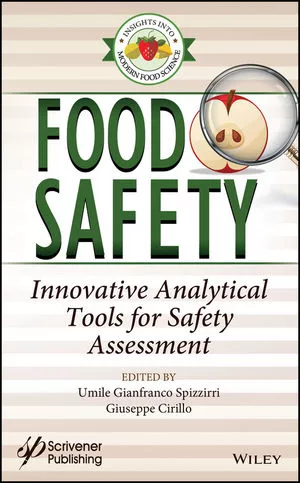
    Food Safety: Innovative Analytical Tools for Safety Assessment

  • 1118396308.jpg

    High Throughput Analysis for Food Safety

See More Products

Events

View AllSubmit An Event
  • August 28, 2025

    Strategies for Rodent Control in Distribution Facilities

    On Demand: From this webinar, attendees will learn how to understand rodent behavior and innovative strategies for rodent management.
  • November 4, 2025

    Clues for Containment: Proactive Rodent Control Strategies

    On Demand: This webinar will cover how to identify signs of rodent activity in your facility.
View AllSubmit An Event

Related Directories

  • Gauer Metal Products

    Gauer Metal Products is your dependable specialist in sheet metal fabrication services in the continental USA. Our services include custom carton flow rack solutions for efficient storage, donation bin manufacturing, and professional edgers for metal finishings. With years of experience in metal fabrication, prototyping, and product development, we guarantee excellence in every aspect of our work. Whether you require custom metal fabrication or industrial machinery, our team is ready to meet your requirements. We take pride in our ability to deliver metal fabrication solutions that address the needs of our clients in the metalworking and machining industry.
×

Never miss the latest news and trends driving the food safety industry

eNewsletter | Website | eMagazine

JOIN TODAY!
  • RESOURCES
    • Advertise
    • Contact Us
    • Directories
    • Store
    • Want More
  • SIGN UP TODAY
    • Create Account
    • eMagazine
    • eNewsletter
    • Customer Service
    • Manage Preferences
  • SERVICES
    • Marketing Services
    • Reprints
    • Market Research
    • List Rental
    • Survey/Respondent Access
  • STAY CONNECTED
    • LinkedIn
    • Facebook
    • Instagram
    • X (Twitter)
  • PRIVACY
    • PRIVACY POLICY
    • TERMS & CONDITIONS
    • DO NOT SELL MY PERSONAL INFORMATION
    • PRIVACY REQUEST
    • ACCESSIBILITY

Copyright ©2025. All Rights Reserved BNP Media.

Design, CMS, Hosting & Web Development :: ePublishing