Food Safety
search
Ask Food Safety AI
cart
facebook twitter linkedin instagram youtube
  • Sign In
  • Create Account
  • Sign Out
  • My Account
Food Safety
  • NEWS
    • Latest News
    • White Papers
  • PRODUCTS
  • TOPICS
    • Contamination Control
    • Food Types
    • Management
    • Process Control
    • Regulatory
    • Sanitation
    • Supply Chain
    • Testing and Analysis
  • PODCAST
  • EXCLUSIVES
    • Food Safety Five Newsreel
    • eBooks
    • FSM Distinguished Service Award
    • Interactive Product Spotlights
    • Videos
  • BUYER'S GUIDE
  • MORE
    • NEWSLETTERS >
      • Archive Issues
      • Subscribe to eNews
    • Store
    • Sponsor Insights
    • ASK FSM AI
  • WEBINARS
  • FOOD SAFETY SUMMIT
  • EMAG
    • eMagazine
    • Archive Issues
    • Editorial Advisory Board
    • Contact
    • Advertise
  • SIGN UP!
NewsContamination ControlFood TypeChemicalMicrobiologicalPlant-BasedBeverages

UK Study Detects Mycotoxins in 100 Percent of Analyzed Plant-Based Products
By Bailee Henderson
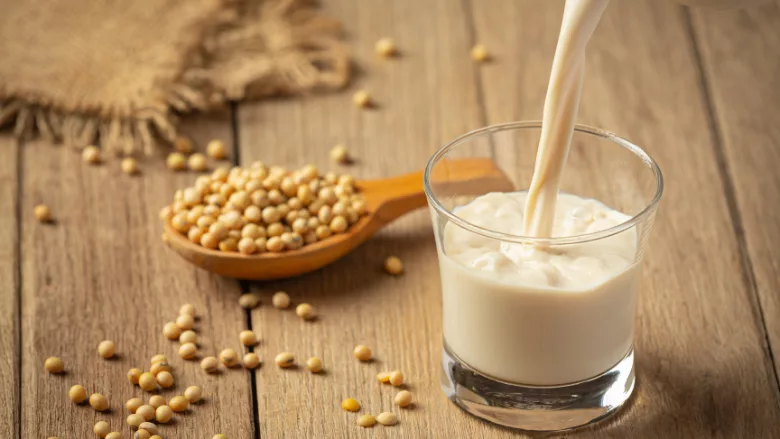
soybeans and a glass of soymilk on a wooden table
Image credit: jcomp via Freepik
February 19, 2026

A new study found a high prevalence of mycotoxins in plant-based products in the UK. Although they were typically present at levels below EU regulatory limits (for cereals and related commodities), the findings raise concerns about cumulative exposure.

Mycotoxins—formed by fungi in foods like wheat, corn, and barley—pose significant health risks to humans, affecting the endocrine and immune systems, damaging the liver and kidneys, contributing to cancer, and affecting fetal development. Recent estimates suggest that approximately 25 percent of crops exceed EU regulatory limits for mycotoxins, with contamination occurring at levels above detectable limits in up to 60–80 percent of crops.

To better understand the UK population’s exposure to mycotoxins through plant-based products, which are often formulated with foods at a high risk of contamination, researchers collected 212 plant-based products (92 meat alternatives and 120 beverages) from retailers in the UK. The samples were analyzed using liquid chromatography coupled to mass spectrometry in tandem (LC-MS/MS) to determine the occurrence and co-occurrence of 19 mycotoxins. The study, published in Food Control, was conducted by researchers from the University of Parma, the University of Valencia, and Cranfield University.

Mycotoxin Prevalence in Plant-Based Meat Alternatives vs. Beverages

All sampled products were contaminated by at least one mycotoxin, with frequent co-occurrence of multiple mycotoxins.

Plant-based meat alternatives contained a high prevalence of emerging Fusarium toxins, ranging from 93–99 percent for enniatins (ENNs) and beauvericin (BEA). The prevalence of Alternaria toxins was also significant, ranging from 75–86 percent for alternariol (AOH), alternariol monomethyl ether (AME), and tentoxin (TEN).

Among meat alternatives, legume-based and mixed cereal–legume products were the most affected, with frequent detection of aflatoxins, high occurrence of Fusarium toxins, and the presence of deoxynivalenol (DON). Notably, aflatoxins—classified as Group 1 carcinogens by the World Health Organization (WHO)—were found in up to 82.6 percent of the meat alternatives analyzed, with a higher prevalence (up to 66.7 percent) in legume-based products.

Similarly, BEA, ENN B, and ENN A were frequently found in the sampled plant-based beverages, with prevalence ranging from 72–100 percent. Soy-based beverages were characterized by a significantly high prevalence of ochratoxin A (OTA) at 90 percent.

Looking for quick answers on food safety topics?
Try Ask FSM, our new smart AI search tool.
Ask FSM →

In general, all mycotoxins were found in significantly higher concentrations in the plant-based meat alternatives compared to the beverages, likely due to meat alternatives containing a mixture of ingredients that are commonly contaminated with mycotoxins (i.e., cereals and legumes).

Concerns About Cumulative Exposure 

Even though quantified occurrence values were below regulatory levels, the high prevalence of mixtures including aflatoxins, OTA, Fusarium, and Alternaria toxins, indicates that cumulative exposure may pose health concerns.

Based on their findings, the researchers stress the importance of extending mycotoxin monitoring efforts to include the raw primary commodities used in the formulation of plant-based products. The data also provides a foundation for assessing mycotoxin dietary exposure and conducting accurate risk assessments in the UK.


KEYWORDS: meat alternatives mycotoxins study

Share This Story

Baileehendersonmay23

Bailee Henderson is the Digital Editor of Food Safety Magazine, where she covers industry-relevant current events, regulatory affairs, and scientific developments. She also produces the Food Safety Five Newsreel. Notably, Bailee's coverage for Food Safety Magazine has been featured in national televised news segments including CBS Sunday Morning and MSNBC's Rachel Maddow Show. She can be reached at hendersonb@bnpmedia.com.

Recommended Content

JOIN TODAY
to unlock your recommendations.

Already have an account? Sign In

  • people holding baby chicks

    Serovar Differences Matter: Utility of Deep Serotyping in Broiler Production and Processing

    This article discusses the significance of Salmonella in...
    Contamination Control
    By: Nikki Shariat Ph.D.
  • woman washing hands

    Building a Culture of Hygiene in the Food Processing Plant

    Everyone entering a food processing facility needs to...
    Personal Hygiene/Handwashing
    By: Richard F. Stier, M.S.
  • graphical representation of earth over dirt

    Climate Change and Emerging Risks to Food Safety: Building Climate Resilience

    This article examines the multifaceted threats to food...
    International
    By: Maria Cristina Tirado Ph.D., D.V.M. and Shamini Albert Raj M.A.
Manage My Account
  • eMagazine Subscription
  • Subscribe to Newsletters
  • Manage My Preferences
  • Website Registration
  • Subscription Customer Service

More Videos

Sponsored Content

Sponsored Content is a special paid section where industry companies provide high quality, objective, non-commercial content around topics of interest to the Food Safety Magazine audience. All Sponsored Content is supplied by the advertising company and any opinions expressed in this article are those of the author and not necessarily reflect the views of Food Safety Magazine or its parent company, BNP Media. Interested in participating in our Sponsored Content section? Contact your local rep!

close
  • Salmonella bacteria
    Sponsored byThermoFisher

    Food Microbiology Testing Methods: Salmonella species

  • a diagram explaining indicator organisms
    Sponsored byHygiena

    How Proactive Listeria Testing Helps Prevent Six- and Seven-Figure Recalls

  • woman grocery shopping
    Sponsored byCorbion

    Designing Safety Into Every Bite: Proactive Risk Mitigation for Refrigerated Foods

Popular Stories

Rosabella moringa capsules

Salmonella Outbreak Linked to Dietary Supplement Involves Extensively Drug-Resistant Strain

resignation letter

FDA, USDA, CDC Continue to Lose Staffers in Fiscal Year 2026

FSM podcast

Ep. 211. Kathy Sanzo: The Implications of FDA’s Synthetic Food Dye Phase-Out

Events

February 25, 2026

How to Manage Food Safety and Regulatory Risks in Your Supply Chain

Live: February 25, 2026 at 2:00 pm EST: From this webinar, attendees will learn how large food manufacturing organizations can successfully manage their supply chain, food safety, and regulatory risks.

March 3, 2026

FDA/USDA Regulatory Updates: Food Safety Work Plans for 2026

Live: March 3, 2026 at 2:00 pm EST: In this high-level, exclusive webinar, FDA Deputy Commissioner for Human Foods Kyle Diamantas and USDA Under Secretary for Food Safety Mindy Brashears, Ph.D. will share their agencies' regulatory priorities and work plans for 2026 and beyond.

May 11, 2026

The Food Safety Summit

Stay informed on the latest food safety trends, innovations, emerging challenges, and expert analysis. Leave the Summit with actionable insights ready to drive measurable improvements in your organization. Do not miss this opportunity to learn from experts about contamination control, food safety culture, regulations, sanitation, supply chain traceability, and so much more.

View All

Products

Global Food Safety Microbial Interventions and Molecular Advancements

Global Food Safety Microbial Interventions and Molecular Advancements

See More Products

Related Articles

  • smoked salmon on ice

    Study: Blue Light Plus Plant Chemicals Reduce Listeria on Salmon, Prevent Biofilm

    See More
  • tofu and soybeans

    Study Shows Relatively High Levels of Flame Retardants, Plasticizers in Plant-Based ‘Cheeses,’ Soy Products

    See More
  • fried chicken drumsticks on a plate

    USDA-FSIS Describes Vision for Science-Based Approach to Reducing Salmonella in Poultry

    See More

Related Products

See More Products
  • 9781498721776.jpg

    Handbook of Food Processing: Food Safety, Quality, and Manufacturing Processes

  • 9781138070912.jpg

    Trends in Food Safety and Protection

  • 1119237963.jpg

    Food Safety in China: Science, Technology, Management and Regulation

See More Products

Related Directories

  • Anritsu - Product Inspection & Detection

    Anritsu manufactures product inspection and detection equipment for food and pharma industries. Part of the Product Quality Assurance division of Anritsu Corp., we advance quality control programs with high-performing and reliable solutions. Our X-Ray Systems, Checkweighers, Metal Detectors, Combo Systems, Rejectors, and QuiCCA Software provide a superior ROI and ensure compliance with stringent quality control programs while protecting your brand. Our local branches in the US, Europe, Brazil, and Mexico are equipped with in-house service & parts dept., we deliver, install, and maintain in record time. With over 200,000 installations, we are the brand that is trusted to protect the safety and security of your customers.
  • ABB Installation Products

    ABB Installation Products is a global leader in the design and manufacturing of premium products used to manage the connection, protection and distribution of electrical power in industrial, construction and utility applications, including food and beverage. With 200,000+ products, ABB Installation Products has over a 100-year heritage and found wherever electricity is used.
×

Never miss the latest news and trends driving the food safety industry

Newsletters | Website | eMagazine

JOIN TODAY!
  • RESOURCES
    • Advertise
    • Contact Us
    • Directories
    • Store
    • Want More
  • SIGN UP TODAY
    • Create Account
    • eMagazine
    • Newsletters
    • Customer Service
    • Manage Preferences
  • SERVICES
    • Marketing Services
    • Reprints
    • Market Research
    • List Rental
    • Survey/Respondent Access
  • STAY CONNECTED
    • LinkedIn
    • Facebook
    • Instagram
    • X (Twitter)
  • PRIVACY
    • PRIVACY POLICY
    • TERMS & CONDITIONS
    • DO NOT SELL MY PERSONAL INFORMATION
    • PRIVACY REQUEST
    • ACCESSIBILITY

Copyright ©2026. All Rights Reserved BNP Media.

Design, CMS, Hosting & Web Development :: ePublishing