Food Safety
search
Ask Food Safety AI
cart
facebook twitter linkedin
  • Sign In
  • Create Account
  • Sign Out
  • My Account
Food Safety
  • NEWS
    • Latest News
    • White Papers
  • PRODUCTS
  • TOPICS
    • Contamination Control
    • Food Types
    • Management
    • Process Control
    • Regulatory
    • Sanitation
    • Supply Chain
    • Testing and Analysis
  • PODCAST
  • EXCLUSIVES
    • Food Safety Five Newsreel
    • eBooks
    • FSM Distinguished Service Award
    • Interactive Product Spotlights
    • Videos
  • BUYER'S GUIDE
  • MORE
    • ENEWSLETTER >
      • Archive Issues
      • Subscribe to eNews
    • Store
    • Sponsor Insights
    • ASK FSM AI
  • WEBINARS
  • FOOD SAFETY SUMMIT
  • EMAG
    • eMagazine
    • Archive Issues
    • Editorial Advisory Board
    • Contact
    • Advertise
  • SIGN UP!
NewsContamination ControlManagementInternationalChemicalMicrobiological

Climate Change Worsening Food Contamination by Harmful Mycotoxins, Warns European Environment Agency
By Food Safety Magazine Editorial Team
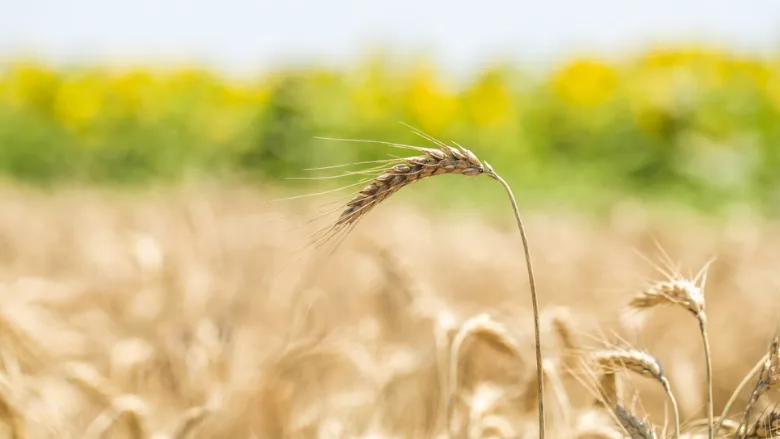
wheat in the field

Image credit: pvproductions via Freepik

March 13, 2025

Warming temperatures associated with climate change are increasing the risk of human exposure to mycotoxins from food, warned the European Environment Agency (EEA) in a new briefing.

Mycotoxins—formed by fungi in foods like wheat, corn, and barley—pose significant health risks to humans, such as disrupting hormones, weakening the immune system, damaging the liver and kidneys, causing miscarriages and harm to unborn children, and contributing to cancer. People are exposed to mycotoxins through the consumptions of foods like grains, cereals, breads, and pasta, as well as from drinking contaminated water. Mycotoxins are absorbed by plants during growth or after harvest and can remain in food even after washing, cooking, or processing.

According to EU chemical human biomonitoring data, 14 percent of the adult European population is exposed to just the mycotoxin deoxynivalenol at dangerous levels. Other significant and harmful mycotoxins relevant to human health include aflatoxins, fumonisin, zearalenone, and ochratoxin A. Recent studies suggest that approximately 25 percent of crops exceed EU regulatory limits for mycotoxins, with contamination occurring at levels above detectable limits in up to 60–80 percent of crops.

Global climate change is altering fungal behavior and distribution, potentially increasing the risk of exposure to mycotoxins, per EEA. The highest risk of climate change-induced mycotoxin contamination is expected in developed countries with moderate climates. Certain mycotoxins are expected to become more prevalent at higher temperatures in humid conditions, because humidity spurs the growth of fungi that produce them.

Moreover, increased precipitation, flooding, and soil erosion could transfer mycotoxins from soil to rivers and groundwater. This would increase the likelihood of contamination in food and feed, and exacerbate the risk of mycotoxins entering drinking water. Extreme weather events, such as heavy rainfall or prolonged droughts, also increase the stress that plants are exposed to, making cereals—especially maize—more vulnerable to fungal infections and mycotoxin contamination.

Additionally, the growing prevalence of fungi-producing mycotoxins may also lead to inadvertent public health and sustainability risks associated with increased fungicide use.

Some “One Health” efforts to understand and mitigate mycotoxin exposure are already underway in the EU; for example, surveillance is already conducted for the impact of environmental factors (e.g., precipitation, sunlight hours, and temperature records) on mycotoxin risk, and could be expanded to include monitoring of food, animal feed, animals, and humans. EEA also suggests other possible future actions to counteract mycotoxin contamination, such as breeding crops that are resistant to fungal infection, adopting good agricultural practices (e.g., adapting to environmental conditions including crop rotation to regenerate soil fertility and minimize the carry-over of mold from one year to year), and making use of biological controls and predictive models.    

Looking for quick answers on food safety topics?
Try Ask FSM, our new smart AI search tool.
Ask FSM →


KEYWORDS: aflatoxins climate change mycotoxins ochratoxin A one health

Share This Story

Fsm purple logo 200x200

The Food Safety Magazine editorial team comprises Bailee Henderson, Digital Editor ✉; Adrienne Blume, M.A., Editorial Director; and Stacy Atchison, Publisher.

Recommended Content

JOIN TODAY
to unlock your recommendations.

Already have an account? Sign In

  • people holding baby chicks

    Serovar Differences Matter: Utility of Deep Serotyping in Broiler Production and Processing

    This article discusses the significance of Salmonella in...
    Food Type
    By: Nikki Shariat Ph.D.
  • woman washing hands

    Building a Culture of Hygiene in the Food Processing Plant

    Everyone entering a food processing facility needs to...
    Training
    By: Richard F. Stier, M.S.
  • graphical representation of earth over dirt

    Climate Change and Emerging Risks to Food Safety: Building Climate Resilience

    This article examines the multifaceted threats to food...
    Contamination Control
    By: Maria Cristina Tirado Ph.D., D.V.M. and Shamini Albert Raj M.A.
Manage My Account
  • eMagazine Subscription
  • Subscribe to eNewsletter
  • Manage My Preferences
  • Website Registration
  • Subscription Customer Service

More Videos

Sponsored Content

Sponsored Content is a special paid section where industry companies provide high quality, objective, non-commercial content around topics of interest to the Food Safety Magazine audience. All Sponsored Content is supplied by the advertising company and any opinions expressed in this article are those of the author and not necessarily reflect the views of Food Safety Magazine or its parent company, BNP Media. Interested in participating in our Sponsored Content section? Contact your local rep!

close
  • Salmonella bacteria
    Sponsored byThermoFisher

    Food Microbiology Testing Methods: Salmonella species

  • a diagram explaining indicator organisms
    Sponsored byHygiena

    How Proactive Listeria Testing Helps Prevent Six- and Seven-Figure Recalls

  • woman grocery shopping
    Sponsored byCorbion

    Designing Safety Into Every Bite: Proactive Risk Mitigation for Refrigerated Foods

Popular Stories

baby eating bottle

Infant Botulism Spike Exceeds 100 Cases, Extent of ByHeart's Involvement Unclear

NRTE breaded stuffed chicken

USDA Indefinitely Delays Enforcement of Salmonella as Adulterant in Raw Breaded, Stuffed Chicken

digital map of europe

EU Publishes Food Fraud Tool Mapping Thousands of Cases Since 2016

Events

December 11, 2025

How to Develop and Implement an Effective Food Defense Strategy

Live: December 11, 2025 at 2:00 pm EDT: From this webinar, attendees will learn common areas where companies encounter challenges in their food defense strategies and how to address them.

May 11, 2026

The Food Safety Summit

Stay informed on the latest food safety trends, innovations, emerging challenges, and expert analysis. Leave the Summit with actionable insights ready to drive measurable improvements in your organization. Do not miss this opportunity to learn from experts about contamination control, food safety culture, regulations, sanitation, supply chain traceability, and so much more.

View All

Products

Global Food Safety Microbial Interventions and Molecular Advancements

Global Food Safety Microbial Interventions and Molecular Advancements

See More Products

Related Articles

  • raw oysters being eaten

    EFSA: Vibrio Becoming More Prevalent in Seafood Due to Climate Change; AMR Worsening

    See More
  • world map and thermometer showing hot temperatures

    Spanish Food Safety Agency Report Addresses Risks of Climate Change

    See More
  • baltic region

    European Risk of Foodborne Illness from Vibrio Rising Due to Climate Change

    See More

Related Products

See More Products
  • 9781498721776.jpg

    Handbook of Food Processing: Food Safety, Quality, and Manufacturing Processes

  • food-safety-making.jpg

    Food Safety: Making Foods Safe and Free From Pathogens

  • 9781498762878.jpg

    Food Safety and Protection

See More Products

Related Directories

  • Romer Labs

    Romer Labs is a global leader in innovative diagnostic solutions for food and feed safety. With a focus on mycotoxins, food allergens, GMOs, and microbial contaminants, we strive to meet the ever-changing demands of our customers. Furthermore, we operate a global network of 6 ISO accredited laboratories.
  • Percept Brand Design Agency

    Percept is a creative, design and branding agency in Sydney, Australia. We're branding specialists, with a focus on strategic packaging design solutions that achieve successful outcomes.
  • Gold Standard Diagnostics

    Gold Standard Diagnostics develops and markets rapid test kits and analyzers for a wide range of food contaminants including: allergens, pathogens, patulin and mycotoxins, glyphosate and pesticides, VDRs, GMOs and more. Get accurate results in minutes on-site with Gold Standard Diagnostics test kits.
×

Never miss the latest news and trends driving the food safety industry

eNewsletter | Website | eMagazine

JOIN TODAY!
  • RESOURCES
    • Advertise
    • Contact Us
    • Directories
    • Store
    • Want More
  • SIGN UP TODAY
    • Create Account
    • eMagazine
    • eNewsletter
    • Customer Service
    • Manage Preferences
  • SERVICES
    • Marketing Services
    • Reprints
    • Market Research
    • List Rental
    • Survey/Respondent Access
  • STAY CONNECTED
    • LinkedIn
    • Facebook
    • Instagram
    • X (Twitter)
  • PRIVACY
    • PRIVACY POLICY
    • TERMS & CONDITIONS
    • DO NOT SELL MY PERSONAL INFORMATION
    • PRIVACY REQUEST
    • ACCESSIBILITY

Copyright ©2025. All Rights Reserved BNP Media.

Design, CMS, Hosting & Web Development :: ePublishing