Study Shows How Swab Storage Time, Temperature Affect Allergen Detection
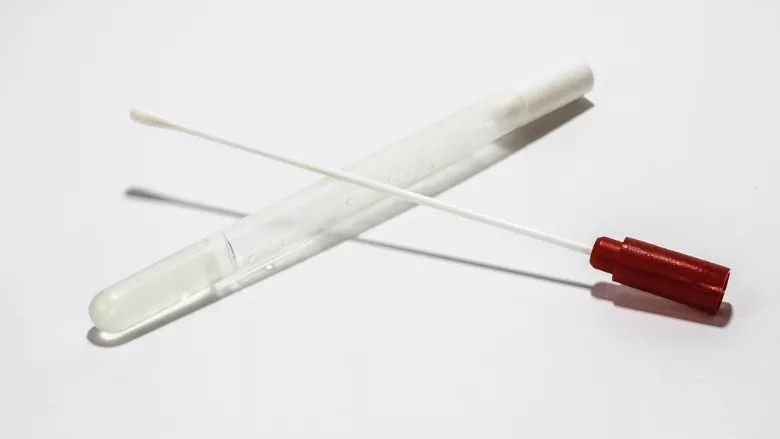
A new study highlighted the importance of storage time and temperature of environmental swabs to preserve allergen residues and ensure accurate detection.
Food production facilities use environmental swabs to validate the effectiveness of cleaning protocols and to ensure that food-contact surfaces are free of detectable allergens that could result in unintentional contamination of food products. When swabs are sent to third-party laboratories as part of cleaning validation trials, the current recommendation is to ship swabs on ice with same-day shipping. However, delays can result in temperature abuse and extended storage times, with unknown effects on the recovery of allergen residues from swabs.
To fill this knowledge gap, researchers spiked swabs with peanut flour, nonfat dry milk, and gluten residues at 25, 50, and 100 parts-per-million (ppm), with an additional 10 ppm spike for gluten. The swabs were then stored at room temperature (37 °C), 4 °C, and −20 °C for times ranging from 0–14 days. The swabs were tested using two commercial ELISA methods (Neogen Veratox and Morinaga) for each allergenic food.
Across all times and temperatures, the Veratox kits enabled higher and more stable recovery.
The greatest decrease in recovery was observed between days 0 and 1, while higher recoveries were observed when swabs were stored at lower temperatures. Specifically, when stored at −20 °C and 4 °C, both the Veratox and Morinaga ELISA kits had higher recoveries by comparison to swabs stored at room temperature and 37 °C throughout the 14-day period. Based on their results, the researchers recommend transporting and storing allergen swabs at 4 °C or −20 °C until analysis.
Interestingly, gluten swabs tested with the Veratox kit did not demonstrate significant variability in recovery over time, and quantitative recoveries were obtained over the 14-day period with both gluten kits.
The researchers underline the need for further research to evaluate the effects of storage time and temperature on recovery using other types of allergens and different testing methods.
The study was conducted by researchers with the University of Nebraska-Lincoln’s Food Allergy Research and Resource Program and published in the Journal of Food Protection.
Looking for quick answers on food safety topics?
Try Ask FSM, our new smart AI search tool.
Ask FSM →