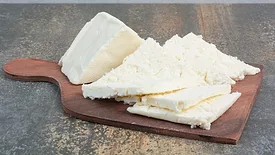
The research from Oregon State University also found that queso cotija supports L. monocytogenes survival but not growth, and that organic acid surface treatments could inhibit L. monocytogenes growth on queso fresco.
Amid the ongoing global infant formula recall due to possible cereulide contamination, some countries have reported cases of mostly mild gastrointestinal illness in infants who had consumed infant formula, but confirming cereulide exposure is a challenge.
Although generally detected at low levels, mycotoxins were present in all plant-based meat alternative and beverage samples, suggesting that cumulative exposure may pose health concerns.
Establishments operating under the New Swine Slaughter Inspection System (NSIS) would be allowed to determine their own line speeds, and New Poultry Inspection System (NPIS) establishment line speeds would be raised.
This article explores the journey to safe, high-quality natural colors at Oterra, from the field to harvested raw materials to finished product, and how the company maintains compliance with global food safety and regulatory frameworks.
Manufacturers that proactively align decorative ingredients with clean-label, non-GMO, and allergen management strategies are better positioned to meet retailer requirements, reduce operational risk, and respond to changing consumer values.
This episode of Food Safety Five discusses updated USDA-FSIS guidance on Listeria testing in RTE facilities, the latest on the Boar’s Head facility behind the fatal outbreak of 2024, and a real-world Listeria “Seek and Destroy” success story.
EFSA conducted a safety reevaluation for the sweetener sucralose, resulting in no change to the acceptable daily intake (ADI). EFSA also considered a proposed extension for the use of sucralose in fine bakery wares, but was unable to determine its safety.
In a recent 60 Minutes interview, U.S. Health Secretary Robert F. Kennedy Jr. said FDA will address the “generally recognized as safe” (GRAS) “loophole,” which allows ingredients into the food supply without FDA review, while saying he does not plan to regulate ultra-processed foods.
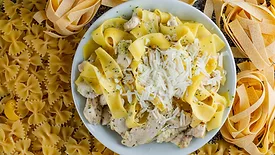
Affected products were sold under various brand names at numerous retailers. The products shared a single supplier of contaminated pasta, Nate’s Fine Foods Inc.
 RSS
RSS