CalRecycle has issued a final draft of the Plastic Pollution Prevention and Packaging Producer Responsibility Act (SB 54), which establishes an extended producer responsibility (EPR) program to manage packaging and single-use plastic. Western Growers shared concerns about the produce industry’s ability to qualify for categorical exclusion.
As part of its efforts to encourage industry to phase out the use of petroleum-based synthetic food dyes, FDA is expanding the allowed uses of the label claim “no artificial colors” on food products and has approved a new naturally derived colorant for food.
Following the ByHeart botulism outbreak, FDA intends to begin testing infant formula products and ingredients for Clostridium botulinum to help determine whether contamination by the pathogen is a “foreseeable hazard that companies could test for.”
The researchers found that advanced, multi-step disinfection treatment significantly reduces the antibiotic resistance (AMR)-related food safety risks of wastewater reused for irrigation, while biological treated water remains a potential source of resistant bacteria contamination.
Antibodies for highly pathogenic avian influenza H5N1 (HPAI H5N1) have been detected in a Dutch dairy cow, indicating the animal was infected with the virus.
Responding to the global infant formula recall affecting products from Nestlé, Danone, and other producers, the European Food Safety Authority (EFSA) has determined concentrations of cereulide in formula that pose a safety concern to guide risk management decisions that protect public health.
Dr. Alejandro Castillo is looking closely at Listeria contamination in the Mexican–U.S. avocado supply chain. Dr. Matt Taylor is working to help meat and poultry producers validate the microbial safety of their products and ensure regulatory compliance.
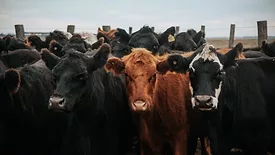
With the hope of developing a user-friendly model, a Center for Produce Safety-funded study is investigating factors that influence Escherichia coli contamination risks posed by concentrated animal feeding operations (CAFO) near produce growing fields.
The scientific opinion was published to provide a scientific basis for possible amendments to existing requirements in EU legislation for food business operators on the freezing of meat.
 RSS
RSS