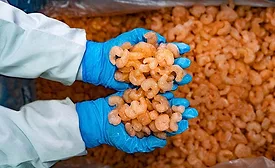
This article focuses on the fundamentals of shrimp processing and the various steps in which facilities can manage food safety and quality challenges to generate wholesome and safe products for global markets.
University of Georgia researchers conducted a review to compile and communicate best practices for reducing the spread of foodborne pathogens among beef cattle herds prior to processing, with a focus on Shiga toxin-producing Escherichia coli.
In a new scientific opinion, the European Food Safety Authority (EFSA) says the risk of highly pathogenic avian influenza H5N1 (HPAI H5N1) spreading from U.S. dairy cattle to Europe is very low, but still stresses preparedness and heightened surveillance.
In a retrospective analysis of two Listeria monocytogenes outbreaks linked to packaged salads, CDC epidemiologists underline key learnings and suggest proactive measures for industry.
From food additive bans and obligatory food packaging changes to consumer right-to-know laws and labeling requirements, keeping abreast of the flurry of legislative and policy activity that is impacting the food industry may seem like an impossible task. This article discusses what you need to know and how best to prepare for upcoming food safety changes.
Researchers with the Connecticut Agricultural Experiment Station have demonstrated that the use of iron-fortified hemp biochar made from agricultural waste can significantly reduce the amount of toxic PFAS “forever chemicals” taken up by food crops grown in contaminated soil.
Set to open in spring 2026 in Georgia, the Wolf’s Customer Experience Center will serve as a collaborative space for research, product development, and customer engagement, supporting WTI’s focus on food safety, quality, and naturally derived ingredient technologies.
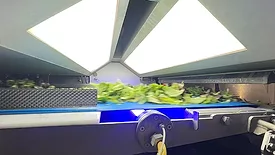
The new COMPASS optical sorter from Key Technology combines high-performance foreign material contamination detection and removal with gentle, hygienic product handling to help processors enhance food safety and operational efficiency.
A new USDA study suggests that the “green,” biodegradable enzyme ficin can improve the efficacy of conventional sanitizers when used as a pre-treatment in egg processing environments, reducing the contact time and sanitizer concentration required to achieve Salmonella biofilm inactivation.
Tetra Pak has unveiled the first-ever use of its paper-based barrier technology for a juice packaging application by García Carrión. The Tetra Brik Aseptic Slim Leaf carton comprises 92 percent renewable materials and reduces carbon footprint by 43 percent.
 RSS
RSS