UK to Ban Energy Drink Sales to Kids Under Age 16
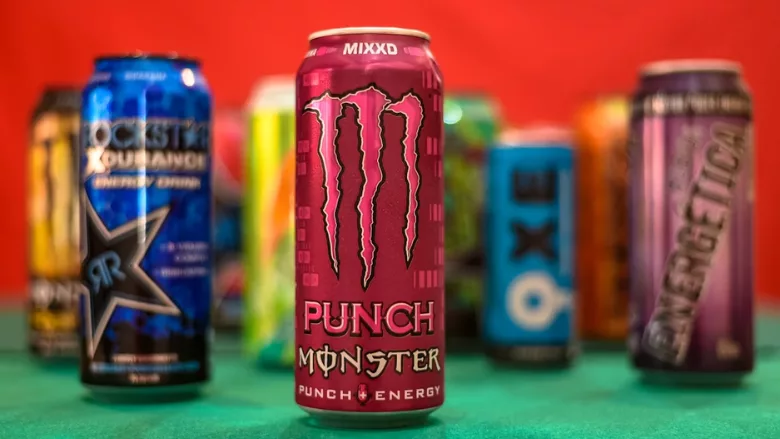
The UK Government has proposed rules that would prohibit the sale of high-caffeine energy drinks to children under the age of 16 (i.e., 15-year-olds and younger), intended to “prevent obesity in up to 40,000 children and deliver health benefits worth tens of millions of pounds.”
A consultation on the proposal is now open for interested stakeholders to share their feedback.
Consumption of Energy Drinks Among UK Children and Potential Health Effects
According to the UK Government, approximately 100,000 children consume at least one high-caffeine energy drink every day in the country. Evidence links these beverages to negative effects in children, including disrupted sleep, increased anxiety, poor concentration, and diminished educational outcomes.
The high sugar content of many energy drinks and related health effects of excessive sugar consumption is also a concern outlined in the proposal.
Drinks containing more than 150 mg caffeine (except coffee and tea) are required to display the caffeine content and a precautionary statement (“High caffeine content. Not recommended for children or pregnant or breast-feeding women”) in the UK. Although these high-caffeine labeling criteria are used to define high-caffeine energy drinks in the UK's existing, voluntary action to not sell or directly market high-caffeine energy drinks to children under 16 years of age, retailers continue to sell these drinks to children.
UK authorities recommend that children do not consume more than 140 mg caffeine per day. This is based on European Food Safety Authority (EFSA) safety estimates that healthy persons are unlikely to experience adverse health effects of daily caffeine consumption at 3 milligrams (mg) of caffeine per kilogram (kg) of body weight, and assuming an average pre-teen body weight of 47 kg.
Proposed Age Restriction on UK Energy Drink Sales, Covered Businesses, and Enforcement
Under the proposal, a high-caffeine energy drink is defined as a soft drink that contains at least 150 mg of caffeine per liter (L) of beverage.
Looking for quick answers on food safety topics?
Try Ask FSM, our new smart AI search tool.
Ask FSM →
Businesses including restaurants, takeaways and delivery services, pubs, cafes, and retailers that do not primarily sell food and drink (e.g., clothing stores, newsagents) would be prohibited from selling high-caffeine energy drinks to children under 16 years of age.
The ban would also apply to online sales and vending machine sales. Suggestions for how online retailers and vending machine operators can enforce this ban are outlined in the proposal.
To assess retailers’ compliance with the age restriction for energy drink sales, competent authorities may use covert test purchasing operations. If a person or retailer is found to be in violation of the prohibition, they may issue fines.
The age restriction would apply only to sales in England.