FDA has issued a Request for Information regarding labeling and preventing cross-contact of gluten in packaged foods, in an effort to improve transparency in the disclosures of ingredients that impact certain health conditions (such as gluten for those with celiac disease) and other food allergens.
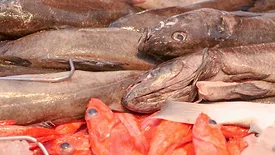
An international study has shown that European seafood is high in PFAS, and that fish exports expose consumers in regions of the world with otherwise low levels of pollution to harmful “forever chemicals.”
The guidance defines the scientific data required to evaluate if a food additive is safe under the proposed conditions of use as part of new food additive applications in the EU.
Nestlé says that cereulide, the contaminant behind the recall, does not cause meningitis, the illness for which the infant was hospitalized. UK authorities say no cases of illness associated with Nestlé formula have been clinically confirmed.
USDA-FSIS has reissued its guidance on testing for Listeria species other than Listeria monocytogenes in ready-to-eat (RTE) food production facilities to reflect expansions made to the agency’s testing method and enforcement actions.
At a January 14 public meeting on strategies to reduce Salmonella in poultry products, USDA-FSIS focused on the importance of tailored strategies, data-driven decisions, and considering the needs of small- and medium-sized establishments. Stakeholders shared their concerns and ideas.
An expert panel that was convened to support FDA’s “Operation Stork Speed” emphasizes the need for streamlined FDA approval processes for infant formulas, more transparent ingredient approval processes (i.e., GRAS, food additive petitions), and enforceable limits for environmental contaminants.
At a public meeting on January 14 held by USDA-FSIS to discuss strategies for reducing salmonellosis attributable to poultry, a Consumer Reports food scientist argued for the agency to return to its now-withdrawn proposed regulatory framework for Salmonella in poultry.
The UK-based Chilled Food Association (CFA) has produced an industry-led good practice guidance for manufacturers and retailers of ready-to-eat (RTE) foods that may support the growth of Listeria monocytogenes to support compliance with UK and EU regulations on the microbiological criteria for foods.
 RSS
RSS