Fruit, Salmonella Caused Most Multistate Foodborne Illness Outbreaks in 2023, per CDC
Fruit, vegetable row crops, and chicken caused the greatest number of multistate foodborne illness outbreaks in 2023, according to a new U.S. Centers for Disease Control and Prevention (CDC) report.
Data included in the analysis was sourced from the System for Enteric Disease Response, Investigation, and Coordination (SEDRIC), an internal CDC tracking system for investigations coordinated by the agency related to possible multistate outbreaks caused by four pathogens: Salmonella, Shiga toxin-producing Escherichia coli (STEC), Listeria monocytogenes, and Campylobacter. Outbreaks included in the report began on or after January 1, 2023, and ended on or before March 31, 2024; or were included if they began before 2023 but ended before March 31, 2023.
During 2023, CDC and its public health partners investigated 84 multistate enteric disease outbreaks, 60 percent (50) of which were solved; a suspected source was identified for 22 outbreaks and a confirmed source was identified for 28 outbreaks. Of the 50 solved outbreaks, 32 were linked to contaminated food, resulting in 1,219 illnesses, 421 hospitalizations, and nine deaths. The remaining 18 outbreaks were associated with animal contact.
Fruits were most frequently identified food vehicle of illness, causing five outbreaks, totaling 439 illnesses, 177 hospitalizations, and seven deaths. Fruits were followed by vegetable row crops and chicken, causing four outbreaks each. Chicken-related outbreaks caused 177 illnesses, 36 hospitalizations, and no deaths. Vegetable row crops caused 57 illnesses, 40 hospitalizations, and one death.
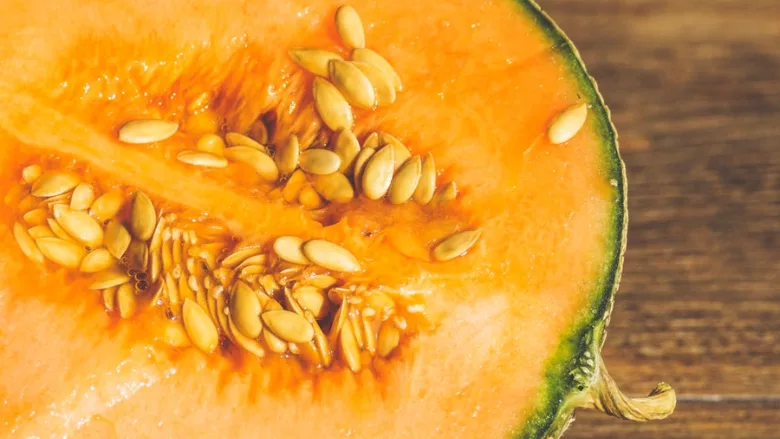
A single salmonellosis outbreak linked to cantaloupe accounted for 407 illnesses, 158 hospitalizations, and six deaths.
Other notable foodborne illness outbreaks that occurred during 2023 include:
- Listeriosis linked to enoki mushrooms imported from China
- Salmonellosis linked to bagged, dry dog food
- Salmonellosis linked to fresh, diced onions served at long-term care facilities (among other locations) and sourced from the same processor
- Salmonellosis linked to both ground turkey meat and backyard poultry (the same strain of Salmonella Hadar was found in backyard flocks and retail meat)
- Listeriosis linked to ready-to-eat caramel apples, produced by the same manufacturer behind a 2017 listeriosis outbreak.
Among the 32 multistate foodborne illness outbreaks solved in 2023, the majority were caused by Salmonella (16), followed by L. monocytogenes (seven), STEC (seven), and Campylobacter (two). Additionally, foodborne Salmonella outbreaks caused more illnesses per outbreak (median 32, range 9–407) compared to STEC (median 12, range 5–37), Campylobacter (median 12, range 11–13), and L. monocytogenes (median five, range 2–19).
A total of 1,039 illnesses were associated with Salmonella outbreaks, followed by STEC (105), L. monocytogenes (51), and Campylobacter (24).
Illnesses associated with L. monocytogenes were most severe, as 98 percent of listeriosis patients were hospitalized and four percent died. In contrast, 35 percent of salmonellosis patients were hospitalized and less than 1 percent died, 52 percent of STEC cases required hospitalization with no deaths, and 38 percent of campylobacteriosis patients were hospitalized with no deaths.
Looking for quick answers on food safety topics?
Try Ask FSM, our new smart AI search tool.
Ask FSM →