FDA Releases New Produce Safety Rule Ag Water Implementation Resources
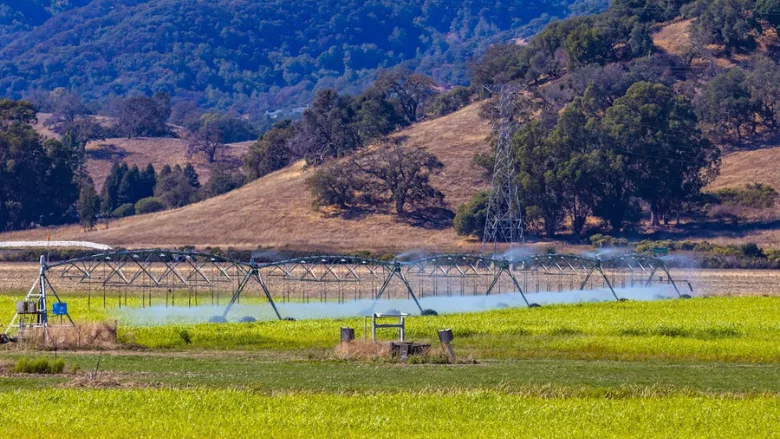
On September 30, the U.S. Food and Drug Administration (FDA) posted additional resources to support growers, regulators, and other stakeholders in implementing the agricultural water provisions of the Food Safety Modernization Act (FSMA) Produce Safety Rule.
Specifically, FDA posted new answers to frequently asked questions (FAQs) related to the agricultural water requirements in the Produce Safety Rule, as well as updated information on how it will implement the pre-harvest agricultural water requirements.
In May 2024, FDA published a final rule that revised certain requirements for pre-harvest agricultural water for covered produce (other than sprouts). These systems-based requirements are in addition to those that were already in place for harvest and post-harvest agricultural water.
The new FAQs were developed to provide information about the agricultural water requirements based on topics covered in the final rules, including the following:
- Inspection and maintenance of agricultural water systems
- Pre-harvest agricultural water assessments (including testing as part of an assessment and assessment outcomes)
- Harvest and post-harvest agricultural water requirements
- Corrective and mitigation measures
- Agricultural water treatment.
In addition to these new FAQs, FDA is also collaborating with industry on the development of a forthcoming best practices document for managing agricultural water.
Compliance dates for the pre-harvest agricultural water requirements for covered produce (other than sprouts) are staggered based on farm size, beginning on April 7, 2025 for large farms. Compliance dates for the harvest and post-harvest agricultural water requirements have passed for all farms.
FDA is also releasing updated information about how it plans to implement the pre-harvest agricultural water provisions of the Produce Safety Rule. The updated information focuses on the key elements of the agency’s approach to FSMA implementation, including education (for both industry and regulators), industry training, technical assistance, inspections, and compliance, both domestically and internationally. The agency said it is taking an “educating while regulating” approach to supporting compliance with the pre-harvest agricultural water requirements.
Looking for quick answers on food safety topics?
Try Ask FSM, our new smart AI search tool.
Ask FSM →