Food Safety
search
Ask Food Safety AI
cart
facebook twitter linkedin instagram youtube
  • Sign In
  • Create Account
  • Sign Out
  • My Account
Food Safety
  • NEWS
    • Latest News
    • Sponsored Insights
    • Sponsored White Papers
  • PRODUCTS
  • TOPICS
    • Contamination Control
    • Food Types
    • Management
    • Process Control
    • Regulatory
    • Sanitation
    • Supply Chain
    • Testing and Analysis
  • PODCAST
  • EXCLUSIVES
    • Food Safety Five Newsreel
    • eBooks
    • FSM Distinguished Service Award
    • Interactive Product Spotlights
    • Videos
  • MORE
    • BUYER'S GUIDE
    • NEWSLETTERS >
      • Archive Issues
      • Subscribe to eNews
    • Store
    • ASK FSM AI
  • WEBINARS
  • FOOD SAFETY SUMMIT
  • FSM FEATURES
    • FSM Features Collection
    • eMag Archives
    • Editorial Advisory Board
    • Contact
    • Advertise
  • SIGN UP!
NewsFood TypeRegulatorySupply ChainProduceFDAFSMAGuidelinesTraceability/Recall

FDA Releases Guidance for Sprout Operations Under Produce Safety Rule, States FSMA 204 Inspections Will Begin 2027

By Food Safety Magazine Editorial Team
sprouts growing with FDA logo overlay

Image credit: Liza Golyarchuk via Unsplash

September 28, 2023

The U.S. Food and Drug Administration (FDA) has announced two updates for Food Safety Modernization Act (FSMA) rules, including the finalization of a draft guidance for sprout operations under the Produce Safety Rule (PSR). FDA also updated the FAQ for its Food Traceability Final Rule to include information on inspections and FDA’s Product Tracing System.

Sprout Operations Under PSR

FDA released two guidance documents that outline recommendations for how sprout operations may comply with PSR. The first guidance updates and finalizes the following sections of a January 2017 draft guidance, titled, Compliance with and Recommendations for Implementation of the Standards for the Growing, Harvesting, Packing, and Holding of Produce for Human Consumption for Sprout Operations:

  • Cleaning and Sanitizing
  • Agricultural Water in Sprout Operations
  • Seeds for Sprouting
  • Environmental Monitoring
  • Recordkeeping.

The second guidance re-issues certain sections of the January 2017 draft guidance and issues one new section for sprout operations as a revised draft guidance. The following updated and new sections in the revised draft guidance are available for comment:

  • Equipment, Tools, and Buildings
  • Sampling and Testing of Spent Sprout Irrigation Water (or In-Process Sprouts)
  • Personnel Qualifications, Training, and Hygienic Practices.

The chosen sections have been revised to align with information in other relevant guidance documents, incorporate additional information and comments received by the agency, and better consolidate and organize information within the guidance. The revised draft guidance is available for comment. FDA is particularly interested in receiving information about testing of spent sprout irrigation water or in-process sprouts that sprout operations are currently conducting for non-O157:H7 pathogenic Escherichia coli, including test kit names (as applicable).

Comments can be submitted at any time electronically at Regulations.gov or by mail to: Dockets Management Staff (HFA-305), FDA, 5630 Fishers Lane, Room 1061, Rockville, MD 20852. All written comments should be identified with the docket number FDA-2017-D-0175 and with the title of the guidance document. Comments on the revised draft guidance should be submitted to the Federal Register within 180 days of publication to ensure they are considered during the development of the final guidance.

Food Traceability FAQ Updates

FDA also recently updated its Food Traceability FAQ to provide additional information about FDA’s Product Tracing System and to explain how the agency intends to conduct initial inspections beginning in 2027. The agency also answered questions that provide clarity about which foods are covered under the rule and which ones are not.

The Food Traceability Final Rule was published in November 2022, establishing traceability recordkeeping requirements for persons who manufacture, process, pack, or hold foods included on the Food Traceability List (FTL). The rule was designed to facilitate faster identification and rapid removal of potentially contaminated food from the market, resulting in fewer foodborne illnesses. The agency established January 20, 2026 as the compliance date, and does not intend to begin routine inspections until 2027.

Looking for quick answers on food safety topics?
Try Ask FSM, our new smart AI search tool.
Ask FSM →


KEYWORDS: FDA Food Traceability Final Rule Produce Safety Rule sprouts

Share This Story

Fsm purple logo 200x200

The Food Safety Magazine editorial team comprises Bailee Henderson, Director of Content Strategy and news editor ✉, and Adrienne Blume, M.A., Director of Editorial and Industry Engagement.

Recommended Content

JOIN TODAY
to unlock your recommendations.

Already have an account? Sign In

  • people holding baby chicks

    Serovar Differences Matter: Utility of Deep Serotyping in Broiler Production and Processing

    This article discusses the significance of Salmonella in...
    Food Type
    By: Nikki Shariat Ph.D.
  • woman washing hands

    Building a Culture of Hygiene in the Food Processing Plant

    Everyone entering a food processing facility needs to...
    Food Prep/Handling
    By: Richard F. Stier, M.S.
  • graphical representation of earth over dirt

    Climate Change and Emerging Risks to Food Safety: Building Climate Resilience

    This article examines the multifaceted threats to food...
    Best Practices
    By: Maria Cristina Tirado Ph.D., D.V.M. and Shamini Albert Raj M.A.
Manage My Account
  • eMagazine Subscription
  • Subscribe to Newsletters
  • Manage My Preferences
  • Website Registration
  • Subscription Customer Service

More Videos

Sponsored Content

Sponsored Content is a special paid section where industry companies provide high quality, objective, non-commercial content around topics of interest to the Food Safety Magazine audience. All Sponsored Content is supplied by the advertising company and any opinions expressed in this article are those of the author and not necessarily reflect the views of Food Safety Magazine or its parent company, BNP Media. Interested in participating in our Sponsored Content section? Contact your local rep!

close
  • Top view portrait of two factory workers standing by conveyor belt during quality inspection at food production, copy space
    Sponsored byFlexXray

    Foreign Material By the Numbers: What the 2026 Benchmark Report Reveals

  • a conveyorized industrial metal detector system that appears to resemble a Loma Systems IQ4 Metal Detector setup with an integrated conveyor belt and control panel for food or package inspection.
    Sponsored byMettler Toledo

    Beyond Detection: How to Avoid Physical Contamination in Food Through a Smarter Inspection Strategy

  • The image displays a bottling plant production line, commonly used in the beverage industry for filling and packaging soft drinks.
    Sponsored byBIOIONIX

    Sustainability with ROI: A Beverage Producer Case Study in Water Savings

Popular Stories

Dr. Heidi Overton speaking at Senate hearing

In Senate Hearing, FDA Commissioner Nominee Says Lack of Resources Will Challenge GRAS Reform

rangpur lime

Pathogens Found on Brazilian Citrus Fruit Present Emerging Food Safety Concerns

lightbulb on a plate next to fork and knife representing food innovation ideas

EFSA Outlines Scientific Needs for Regulatory Preparedness, Risk Assessment

allergens ebook

Events

October 6, 2026

Advances in Environmental Monitoring Science and Strategy

Live: October 6, 2026 at 2:00 pm EDT: This webinar will cover how environmental monitoring science and EMP strategies support sanitation verification and the safe production of food.

October 15, 2026

How to Prevent Physical Contamination in Food Production and Strengthen Compliance

Live: October 15, 2026 at 2:00 pm EDT: Attend this webinar to gain insight into how product inspection helps protect your brand, reduce recall risk, and support compliance.

October 29, 2026

FDA Proposes Major GRAS Reform: What It Could Mean for Your Business

Live: October 29, 2026 at 2:00 pm EDT: Attend this webinar to examine potential implications for self-GRAS, Flavor and Extract Manufacturers Association (FEMA) GRAS, and food-contact substances.

View All

Products

Global Food Safety Microbial Interventions and Molecular Advancements

Global Food Safety Microbial Interventions and Molecular Advancements

See More Products

Related Articles

  • FSS news generic image

    FDA issues first injunction under Produce Safety Rule to Illinois-based food manufacturer for repeated food safety violations

    See More
  • U.S. currency on scale

    Shutdown Deal Restricts Funds for FSMA 204, Produce Safety Rule Enforcement

    See More
  • FDA logo

    FDA provides flexibility to farms regarding eligibility for the Qualified Exception under the Produce Safety Rule

    See More

Related Products

See More Products
  • 1119258073.jpg

    FSMA and Food Safety Systems: Understanding and Implementing the Rules

  • 1119053595.jpg

    Food Safety for the 21st Century: Managing HACCP and Food Safety throughout the Global Supply Chain, 2E

  • 1119160553.jpg

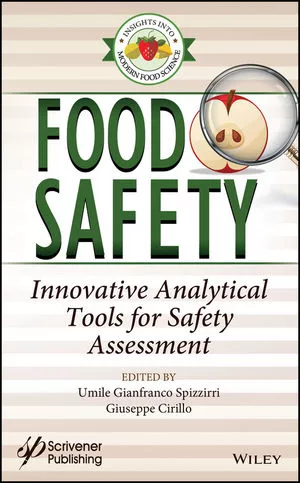
    Food Safety: Innovative Analytical Tools for Safety Assessment

See More Products

Events

View AllSubmit An Event
  • June 30, 2026

    FSMA 204 in Practice: Building a Traceability-Ready Operation

    On Demand: Attend this webinar to learn how food businesses can move from fragmented records toward a more reliable approach for recall response, FDA requests, and supply chain visibility.
View AllSubmit An Event

Related Directories

  • Schneider Food Safety Services

    We are a boutique regulatory (FDA/USDA) consulting firm, and we support companies with FSMA 204 traceability compliance and other regulated processes.
  • MDB

    MDB is a specialized advisory firm focused on supply chain traceability, transparency, and sustainability for food, CPG, and pharmaceutical organizations. We support clients in navigating evolving regulatory requirements, including FSMA Rule 204, while building capabilities that enhance operational efficiency, risk management, and data-driven decision-making.
  • Nulogy

    Nulogy helps food manufacturers and distributors manage food safety, quality, compliance, and FSMA 204 traceability in one connected platform. From supplier audits to facility inspections to documentation, Nulogy keeps teams audit-ready, reduces risk, and standardizes compliance across every site.
×

Never miss the latest news and trends driving the food safety industry

Newsletters | Website | FSM Features Collection

JOIN TODAY!
  • RESOURCES
    • Advertise
    • Contact Us
    • Directories
    • Store
    • Want More
  • SIGN UP TODAY
    • Create Account
    • eMagazine
    • Newsletters
    • Customer Service
    • Manage Preferences
  • SERVICES
    • Marketing Services
    • Reprints
    • Market Research
    • List Rental
    • Survey/Respondent Access
  • STAY CONNECTED
    • LinkedIn
    • Facebook
    • Instagram
    • X (Twitter)
  • PRIVACY
    • PRIVACY POLICY
    • TERMS & CONDITIONS
    • DO NOT SELL MY PERSONAL INFORMATION
    • PRIVACY REQUEST
    • ACCESSIBILITY

Copyright ©2026. All Rights Reserved BNP Media, Inc. and BNP Media II, LLC.

Design, CMS, Hosting & Web Development :: ePublishing