

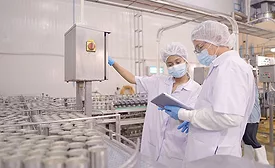
A risk assessment is a systematic process used to identify, analyze, and address potential hazards that could compromise safety. It considers how likely a hazard is to occur and the severity of its consequences, leading to control measures that reduce risks to a safe level. These assessments should be dynamic, practical, action-oriented, and designed to foster true competence.
This article discusses the fundamentals of a retain sample program, which ensures that production samples from each lot of product are retained onsite. These retained samples allow the manufacturing company to evaluate any customer complaints, conduct quality checks, and provide samples to evaluate in the event of a recall.
In any manufacturing facility, managing change can create great momentum and benefits, or cause catastrophic disasters. This article discusses fundamental factors for understanding and overcoming resistance to change.
By integrating regulatory mandates with strong internal controls and industry best practices, spice manufacturers can enhance food safety and maintain the integrity of their products
Spices are sourced from various regions worldwide, often involving multiple suppliers, diverse agricultural practices, and differing regulatory standards. These complexities increase the risk of contamination, adulteration, and foodborne illnesses. Effectively managing these risks requires a thorough understanding of the international supply chain and the vulnerabilities that exist at each stage.
STOP Foodborne Illness has opened applications for its third annual "40 Food Safety Professionals Under 40" program and is seeking nominations of up-and-coming food safety professionals.
In this episode of Food Safety Matters, we speak to Dr. Christopher Daubert, President of the Institute of Food Technologists (IFT) and Vice Chancellor and Dean of the College of Agriculture, Food, and Natural Resources at the University of Missouri, about the value of a food science education, as well as the complex food system challenges that today's students, who make up tomorrow's workforce, can help address.
As we observe World Food Safety Day on June 7, with the theme "Science in Action," we must remember that science only works when those responsible for acting on it are equipped to do so. Expectations for food safety inspections and investigations remain high in the U.S., but the workforce responsible for ensuring the safety of the food supply is shrinking.
The UK National Food Crime Unit’s (NFCU's) Control Strategy for 2025–2026 outlines the unit’s current food crime priorities, bringing focus to its efforts to “prevent food crime, deter and disrupt food criminals, and bring offenders to justice.”
In the first of this two-part episode of Food Safety Matters, we interviewed professionals from academia, consumer advocacy, and foodservice, live from the show floor of the Food Safety Summit, which took place on May 12–15 in Rosemont, Illinois. We discussed leadership, food additives, leveraging AI for food safety, and more.
According to FDA, between 2018 and 2025, 42 people were sickened and 14 died across 21 states after consuming Listeria monocytogenes-contaminatedSysco Imperial and Lyons ReadyCare Frozen Supplemental Shakesthat wereserved at long-term care facilities and hospitals.