The opportunity is open to current graduate students. Project areas may include research on reducing heavy metals and toxic elements and on frameworks to identify indicators of high-quality science.
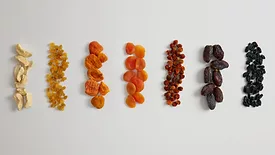
The STEC O26:H11 outbreak sickened 40 people and resulted in 19 cases of hemolytic uremic syndrome (HUS) in children. Dried fruit was the probable vehicle of illness. Researchers underlined the importance of a weight-of-evidence approach in the outbreak investigation.
The three-year partnership will focus on driving food safety, sustainability, and resiliency, aligned with One Health principles, by leveraging advanced technological tools and science.
Amid the ongoing global infant formula recall due to possible cereulide contamination, some countries have reported cases of mostly mild gastrointestinal illness in infants who had consumed infant formula, but confirming cereulide exposure is a challenge.
Based on the largest database of detection rates yet compiled, new global foodborne diarrheal disease burden estimates will serve as inputs for WHO’s forthcoming updated, broader estimates on the global burden of foodborne diseases.
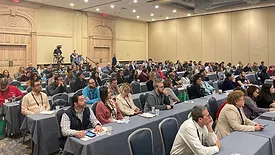
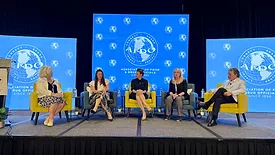
Taking place June 5–9 in Columbus, Ohio, the Association of Food and Drug Officials (AFDO) 130th Annual Education Conference offers sessions focused on manufactured food safety, retail food safety, and produce safety.
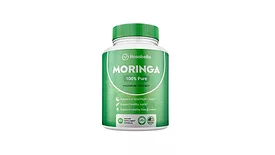
The moringa powder capsules are sold under the Rosabella brand name and are distributed by Ambrosia Brands LLC. The outbreak strain is resistant to all first-line and alternative antibiotics commonly recommended for salmonellosis treatment.
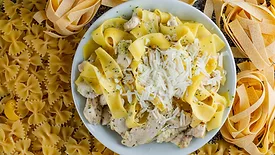
Affected products were sold under various brand names at numerous retailers. The products shared a single supplier of contaminated pasta, Nate’s Fine Foods Inc.
 RSS
RSS