Food Safety
search
Ask Food Safety AI
cart
facebook twitter linkedin instagram youtube
  • Sign In
  • Create Account
  • Sign Out
  • My Account
Food Safety
  • NEWS
    • Latest News
    • White Papers
  • PRODUCTS
  • TOPICS
    • Contamination Control
    • Food Types
    • Management
    • Process Control
    • Regulatory
    • Sanitation
    • Supply Chain
    • Testing and Analysis
  • PODCAST
  • EXCLUSIVES
    • Food Safety Five Newsreel
    • eBooks
    • FSM Distinguished Service Award
    • Interactive Product Spotlights
    • Videos
  • BUYER'S GUIDE
  • MORE
    • NEWSLETTERS >
      • Archive Issues
      • Subscribe to eNews
    • Store
    • Sponsor Insights
    • ASK FSM AI
  • WEBINARS
  • FOOD SAFETY SUMMIT
  • EMAG
    • eMagazine
    • Archive Issues
    • Editorial Advisory Board
    • Contact
    • Advertise
  • SIGN UP!
NewsContamination ControlProcess ControlAllergen ControlProcessing Technologies

Study Finds Cold Plasma Treatment Reduces Peanut Allergenicity
By Food Safety Magazine Editorial Team
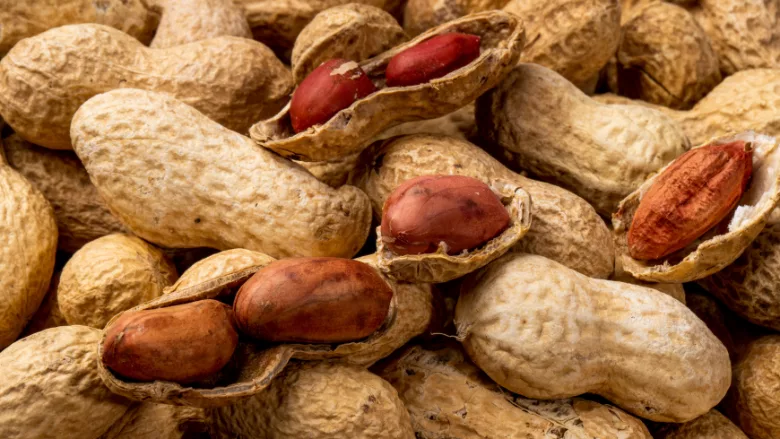
peanuts
Image credit: stockking via Freepik
April 27, 2026

In a new study by researchers at McGill University, treating peanut protein with cold plasma significantly reduced its immunoreactivity, suggesting a potential method for lowering allergenic risk while maintaining functional properties.

The researchers attributed the reduction in allergenicity to structural changes in the proteins responsible for triggering immune responses.

Led by Jin Wang, Ph.D., now a Professor at Southeast University in China, during his doctoral research at McGill University, the study was published in the Journal of Future Foods.

Reduction in Immunoreactivity Observed

The allergenic potential of peanuts presents a persistent food safety and formulation challenge. Conventional mitigation strategies, such as heat treatment, can negatively affect sensory and functional properties, while non-thermal methods like irradiation have produced inconsistent results.

For the study, cold plasma was applied to whole peanut protein extracts. The researchers evaluated allergenic potential using multiple in vitro assays, including immunoreactivity testing, which measures the binding strength between proteins and immune antibodies.

The researchers reported that cold plasma treatment reduced overall immunoreactivity of whole peanut protein by nearly 70 percent after 25 minutes.

“In real-life scenarios, consumers are exposed to the complex mixture of proteins present in whole peanuts, rather than isolated individual allergens,” said Vijaya Raghavan, Ph.D., co-author and Professor of Bioresource Engineering at McGill University. “Our study focused on whole peanut protein.”

Looking for quick answers on food safety topics?
Try Ask FSM, our new smart AI search tool.
Ask FSM →

The study also found that treated proteins were more susceptible to intestinal digestion, which may further influence allergenic potential.

Functional Properties Maintained for Food Applications

In addition to reducing allergenicity, the treatment improved functional properties relevant to food manufacturing, suggesting potential for use in developing hypoallergenic peanut-derived ingredients.

Dr. Raghavan stated that the approach could enable the use of peanut protein powders in a broader range of food products while reducing associated allergen risks.

Exploring the Role of Nitrite

While previous studies have identified both hydrogen peroxide and nitrite as key chemical agents involved in cold plasma treatment, the new study observed an increase only in nitrite levels.

The researchers suggested that nitrite may play a more significant role in altering protein structure than previously recognized, although further investigation is needed to confirm the mechanism.

Potential Application to Other Food Allergens

According to the researchers, the approach may be applicable to other allergenic foods, including eggs and tree nuts, potentially significantly reducing allergy risks across a wide range of foods. They plan to further study the underlying mechanisms of cold plasma’s effect on allergenicity and optimize the treatment process for efficiency and scalability.


KEYWORDS: cold plasma McGill University peanuts study

Share This Story

Fsm purple logo 200x200

The Food Safety Magazine editorial team comprises Bailee Henderson, Digital Editor ✉ and Adrienne Blume, M.A., Editorial Director.

Recommended Content

JOIN TODAY
to unlock your recommendations.

Already have an account? Sign In

  • people holding baby chicks

    Serovar Differences Matter: Utility of Deep Serotyping in Broiler Production and Processing

    This article discusses the significance of Salmonella in...
    Microbiological Control
    By: Nikki Shariat Ph.D.
  • woman washing hands

    Building a Culture of Hygiene in the Food Processing Plant

    Everyone entering a food processing facility needs to...
    Training
    By: Richard F. Stier, M.S.
  • graphical representation of earth over dirt

    Climate Change and Emerging Risks to Food Safety: Building Climate Resilience

    This article examines the multifaceted threats to food...
    Contamination Control
    By: Maria Cristina Tirado Ph.D., D.V.M. and Shamini Albert Raj M.A.
Manage My Account
  • eMagazine Subscription
  • Subscribe to Newsletters
  • Manage My Preferences
  • Website Registration
  • Subscription Customer Service

More Videos

Sponsored Content

Sponsored Content is a special paid section where industry companies provide high quality, objective, non-commercial content around topics of interest to the Food Safety Magazine audience. All Sponsored Content is supplied by the advertising company and any opinions expressed in this article are those of the author and not necessarily reflect the views of Food Safety Magazine or its parent company, BNP Media. Interested in participating in our Sponsored Content section? Contact your local rep!

close
  • This image depicts a healthcare professional managing a large volume of paperwork and transitioning to a digital workflow.
    Sponsored bySafetyChain

    The Invisible Plant Tax Starts with Your Records

  • Salmon on rice cracker
    Sponsored byThermoFisher

    Food Microbiology Testing Methods: Listeria species

  • The image displays a person selecting packaged fresh chicken meat from a supermarket display cooler.
    Sponsored byCorbion

    Developing a Future-Proof Food Safety Strategy for Meat and Poultry Products

Popular Stories

chocolate hazelnut spread on toast

40 Sick, One Dead in German Salmonella Outbreak Involving Chocolate-Hazelnut Spread

red barn, silo, and farmhouse on farmland in iowa

USDA Announces Reorganization of Food Safety and Inspection Service

US capitol building

Congress to Hold Legislative Hearing on 28 Active Bills Related to Food Safety, FDA


Events

May 6, 2026

Allergen Uncertainty: Risk Assessment, Reference Doses, and Codex Management Guidance

Live: May 6, 2026 at 2:00 pm EDT: Attendees will gain insight into the importance of preparing for the industry's shift from detection-based methods to risk-based allergen management.

May 11, 2026

The Food Safety Summit

Stay informed on the latest food safety trends, innovations, emerging challenges, and expert analysis. Leave the Summit with actionable insights ready to drive measurable improvements in your organization. Do not miss this opportunity to learn from experts about contamination control, food safety culture, regulations, sanitation, supply chain traceability, and so much more.

May 12, 2026

Leveraging AI for Food Safety: From Strategy to Impact

Live Streaming from Food Safety Summit: This dynamic workshop brings together leaders from industry, academia, and government to demonstrate how AI can be practically applied in food safety—from data strategy to daily execution.

View All

Products

Global Food Safety Microbial Interventions and Molecular Advancements

Global Food Safety Microbial Interventions and Molecular Advancements

See More Products

Related Articles

  • barley malt

    Researchers Achieve Significant Reduction of Mycotoxins on Grains Using Cold Plasma Treatment

    See More
  • FSM podcast

    Ep. 177. Dr. Brendan Niemira: Cold Plasma Technology for Food Safety and Sanitation

    See More
  • technologist in ppe walking through dairy processing factory

    University of Wisconsin Researcher Establishing Research Program for Cold Plasma in Dairy Food Safety

    See More

Related Products

See More Products
  • food safety.jpg

    Food Safety Contaminants and Risk Assessment

  • 9781498721776.jpg

    Handbook of Food Processing: Food Safety, Quality, and Manufacturing Processes

  • 9781138070912.jpg

    Trends in Food Safety and Protection

See More Products

Related Directories

  • SteraMist Disinfection

    SteraMist cold plasma ionized Hydrogen Peroxide (iHP) technology achieves quick disinfection without residues. SteraMist ensures rapid and efficient disinfection, protecting product quality and maximizing production time. SteraMist EPA-registered broad-spectrum disinfection solution minimizes the risk of cross-contamination by combatting a variety of microorganisms and mold. Learn more at SteraMist.com.
  • Eurofins

    Our extensive network provides testing for pathogens, spoilage organisms, contaminants, allergens, viruses, GMOs, and environmental monitoring, as well as training, consulting, auditing, and certification services. We offer solutions that span your products’ entire life cycle, from consumer insights through product development, process and product validations, stability, and shelf-life studies.
×

Never miss the latest news and trends driving the food safety industry

Newsletters | Website | eMagazine

JOIN TODAY!
  • RESOURCES
    • Advertise
    • Contact Us
    • Directories
    • Store
    • Want More
  • SIGN UP TODAY
    • Create Account
    • eMagazine
    • Newsletters
    • Customer Service
    • Manage Preferences
  • SERVICES
    • Marketing Services
    • Reprints
    • Market Research
    • List Rental
    • Survey/Respondent Access
  • STAY CONNECTED
    • LinkedIn
    • Facebook
    • Instagram
    • X (Twitter)
  • PRIVACY
    • PRIVACY POLICY
    • TERMS & CONDITIONS
    • DO NOT SELL MY PERSONAL INFORMATION
    • PRIVACY REQUEST
    • ACCESSIBILITY

Copyright ©2026. All Rights Reserved BNP Media, Inc. and BNP Media II, LLC.

Design, CMS, Hosting & Web Development :: ePublishing