Novel Phage Effectively Inhibits Antimicrobial-Resistant Salmonella, Biofilms on Food, Surfaces
A recent study evaluated the antibiofilm efficacy of a novel lytic bacteriophage (phage W5) against antimicrobial-resistant (AMR) Salmonella, demonstrating strong potential for food industry applications in controlling biofilms on food products and processing surfaces.
Bacteriophages are natural viral predators of bacteria, and they have shown promise as food-safe alternatives to current antimicrobial practices.
The new research was led by Gansu Agricultural University College of Veterinary Medicine in China, and the findings were published in Applied and Environmental Microbiology.
Strong Environmental Resilience
The researchers reported that W5 remained stable at temperatures up to 50 °C and across a broad pH range of 3–13, while achieving 98 percent host adsorption within 13 minutes. These characteristics indicate strong environmental resilience relevant to food processing conditions.
Inhibits Salmonella Growth in Milk, Eggs, and Pork
Phage W5, isolated from poultry and livestock slaughterhouse effluent, exhibited potent lytic activity—indicating cell breakdown—against nine Salmonella serovars, including Salmonella Typhimurium, S. Choleraesuis, and S. Typhi.
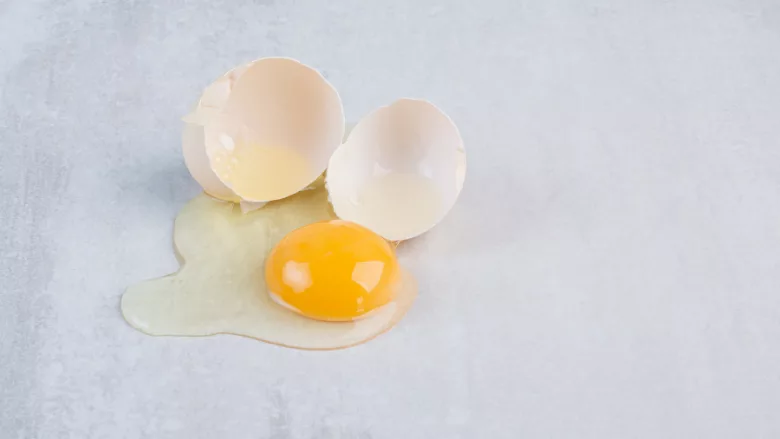
In food matrix applications, crystal violet staining showed that W5 significantly inhibited the growth of S. Typhimurium in milk, pork, and fresh eggs, including both eggshells and egg liquid.
Prevents and Eliminates Biofilms
The phage effectively prevented biofilm formation and eradicated pre-formed biofilms. Confocal laser scanning microscopy confirmed efficient clearance of both nascent and mature biofilms under varied temperatures.
Looking for quick answers on food safety topics?
Try Ask FSM, our new smart AI search tool.
Ask FSM →
On food contact materials, field emission scanning electron microscopy demonstrated potent lytic activity against biofilms on polypropylene and polyethylene surfaces. The efficacy was influenced by biofilm developmental stage and temperature, with superior eradication of early-stage biofilms on polyethylene at 30 °C.
‘Substantial Potential’ for Salmonella Control in Food Industry
Whole genome sequencing (WGS) confirmed the absence of virulence, antibiotic resistance, and lysogenic genes, supporting its suitability as a food-grade biological agent.
The authors stated that AMR Salmonella biofilms remain a significant challenge for food safety, as conventional sanitation methods often fail to eliminate them. By demonstrating effective biofilm control across multiple food matrices and surface types, the study suggested that phage W5 offers a targeted and sustainable biocontrol strategy, supporting its application in industry sanitation practices and the regulatory approval of phage-based interventions.
“These findings collectively highlight phage W5’s substantial potential as a novel biocontrol agent against Salmonella in the food industry, attributable to its broad-spectrum lytic potency, exceptional environmental resilience, and multi-mechanistic biofilm-clearing properties,” the authors stated.