Congressional Bill Would Direct FDA to Enforce Stronger Infant Formula Safety Oversight
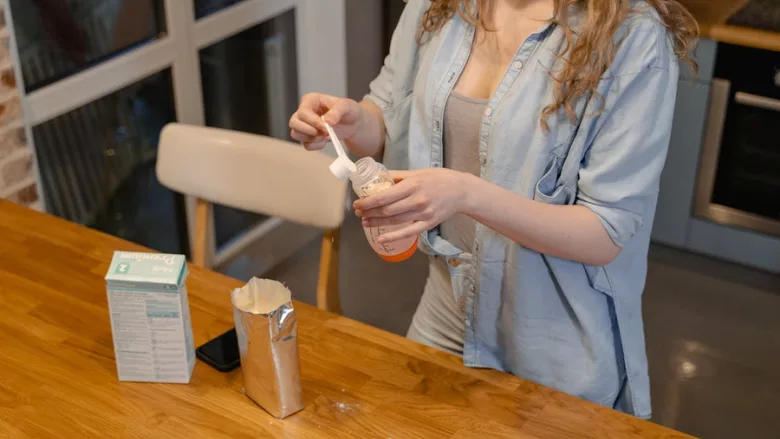
A new bill introduced to Congress seeks to modernize U.S. infant formula oversight and close gaps in testing, transparency, and regulatory enforcement.
U.S. Representative Rosa DeLauro (D-CT), who introduced the Infant Formula Safety Modernization Act, cites the nation’s recent history of infant formula safety and supply crises. For example, in 2022, an infant formula shortage was precipitated by the shutdown of Abbott Nutrition’s Sturgis, Michigan plant—which produced approximately 40 percent of the infant formula in the U.S. at the time—after the discovery of Cronobacter sakazakii contamination. In 2025–2026, an infant botulism outbreak linked to ByHeart Nutrition infant formula hospitalized 48 babies (28 confirmed cases and 20 probable).
Aiming to address the vulnerabilities in federal infant formula oversight revealed by these incidents, if passed, the Infant Formula Safety Modernization Act would:
- Expand required pathogen testing. The act would direct the U.S. Food and Drug Administration (FDA) to develop a comprehensive, expanded list of pathogens and microorganisms for which infant formula manufacturers must test. At present, Cronobacter and Salmonella are the only pathogens with this requirement. The act would mandate Clostridium botulinum to be included in such a list.
- Mandate environmental testing. The act would require standardized environmental monitoring at infant formula production facilities to help manufacturers detect contamination before it reaches the product.
- Set consistent testing standards. The act would require FDA to specify the frequency of environmental testing by infant formula manufacturers.
- Require early FDA notification. The act would compel manufacturers to notify FDA of “any positive pathogen test result,” even if affected formula has not left the facility. Under current law, companies are not required to alert FDA unless adulterated formula has already entered the supply chain.
- Hold foreign manufacturers to domestic standards. The act would direct FDA to establish and enforce clear, consistent inspection and compliance standards for all infant formula products, regardless of their country of origin.
- Strengthen Congressional oversight. The act would require FDA to notify Congress of any confirmed positive pathogen test in finished infant formula product, as well as the finding of any non-compliances that are designated as “Official Action Indicated” during an FDA facility inspection (i.e., FDA’s highest level of compliance designation, requiring corrective action).
Looking for quick answers on food safety topics?
Try Ask FSM, our new smart AI search tool.
Ask FSM →