EPA Rolls Back Mercury Emissions Standards with Implications for Fish Contamination
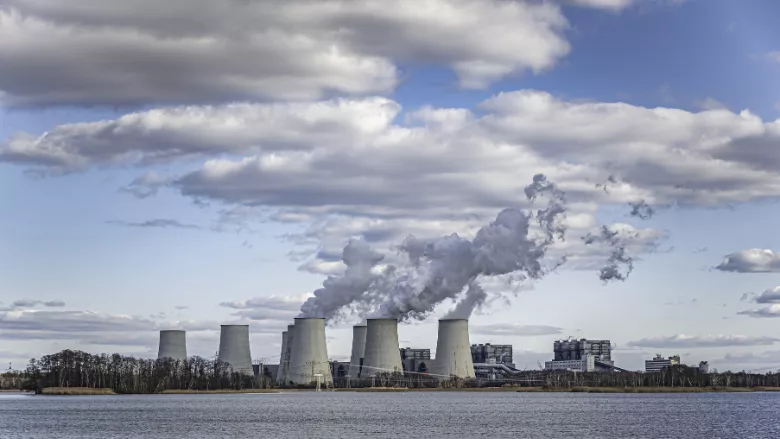
On February 20, the U.S. Environmental Protection Agency (EPA) repealed Biden-era amendments that had tightened requirements of the Mercury and Air Toxics Standards (MATS). The rule is designed to reduce mercury emissions from coal-fired power plants, thereby reducing the buildup of methylmercury in the environment, including in fish eaten by humans and other wildlife.
Mercury/methylmercury is a neurotoxin that, most critically, can adversely affect the brain and nervous system development of fetuses and young children.
Bioaccumulation of Mercury in Fish Originating from Power Plant Pollution
According to EPA, mercury bioaccumulates in fish tissue as methylmercury, the form that presents the greatest risk to human health through consumption of contaminated fish. The agency says, “In many water bodies, mercury originates largely from air sources, such as coal-fired power plants and incinerators that deposit in waters or adjacent lands that then wash into nearby waters.” Studies have demonstrated elevated levels of mercury in the environment surrounding coal-fired power plants.
MATS Rule History
MATS was originally adopted in 2012 under President Barack Obama. The first Trump Administration sought to weaken the MATS rule. Later, under the Biden Administration, a 2024 final rule tightened MATS, including further restrictions on toxic heavy metals emissions from coal-fired power plants.
EPA Repeals Stricter MATS Rule Amendments
In the announcement of its February 2026 decision to repeal the 2024 final rule, EPA called the 2024 rule “unnecessary” and accused it of imposing “massive costs and red tape on power plants.” EPA asserted that the requirements that were set forth by the original 2012 MATS rule are sufficient, citing that, in 2021, mercury emissions from coal-fired power plants were 90 percent lower than pre-MATS levels.
Critics Say EPA Decision Harms Food, Water Safety
However, environmental protection groups and other stakeholders criticize EPA’s latest decision to withdraw the 2024 final rule. For example, Surbhi Sarang, Senior Attorney at the Environmental Defense Fund, stated, “Repealing these protections will allow coal plants to pour more mercury and toxic pollution into our air, which will then get into our water, food, and ultimately, our children’s bodies. It is a needless cruelty when modern pollution controls can provide greater safety. The Trump administration is willfully ignoring evidence that coal plants can reduce their pollution in readily available ways for reasonable cost.” EDF asserted that many of the nation’s power plants emitting the most pollution have already demonstrated their ability to meet the stricter 2024 MATS requirements.
Looking for quick answers on food safety topics?
Try Ask FSM, our new smart AI search tool.
Ask FSM →