Adding to a growing body of evidence that micro- and nanoplastics may enhance the virulence and persistence of pathogens in food and the environment, a new study found that nanoplastics may strengthen E. coli biofilms in drinking water systems and increase resistance to chlorine treatment.
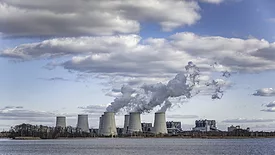
EPA repealed Biden-era amendments that had tightened emissions regulations under the Mercury and Air Toxics Standards (MATS) rule. Critics warn that this decision could lead to greater bioaccumulation of the neurotoxin methylmercury in fish, increasing human dietary exposure.
The National Academies of Sciences, Engineering, and Medicine (NASEM) has published a report on PFAS in agricultural systems to help guide USDA's response to the impacts of agricultural lands polluted by these “forever chemicals.”
Research from the University of Plymouth has demonstrated the ability of nanoplastics to infiltrate the edible radish root, which raises questions about the food safety and public health implications of dietary exposure to plastics.
A recent study has found the ubiquitous presence of tire-derived compounds in leafy greens samples grown in four European countries, indicating that chemicals in tires and roads are taken up by crops.
Human dietary exposure to microplastics is associated with a number of urgent health risks such as digestive, reproductive, and respiratory harm, and should be addressed with a “degree of urgency,” according to a report from the California State Policy Evidence Consortium (CalSPEC).
Flinders University researchers measured microplastics levels in South Australian mussels, and the findings indicate the probability of plastic pollution in the global food supply chain.