Food Safety
search
Ask Food Safety AI
cart
facebook twitter linkedin
  • Sign In
  • Create Account
  • Sign Out
  • My Account
Food Safety
  • NEWS
    • Latest News
    • White Papers
  • PRODUCTS
  • TOPICS
    • Contamination Control
    • Food Types
    • Management
    • Process Control
    • Regulatory
    • Sanitation
    • Supply Chain
    • Testing and Analysis
  • PODCAST
  • EXCLUSIVES
    • Food Safety Five Newsreel
    • eBooks
    • FSM Distinguished Service Award
    • Interactive Product Spotlights
    • Videos
  • BUYER'S GUIDE
  • MORE
    • ENEWSLETTER >
      • Archive Issues
      • Subscribe to eNews
    • Store
    • Sponsor Insights
    • ASK FSM AI
  • WEBINARS
  • FOOD SAFETY SUMMIT
  • EMAG
    • eMagazine
    • Archive Issues
    • Editorial Advisory Board
    • Contact
    • Advertise
  • SIGN UP!
NewsContamination ControlChemicalPhysical

Scientists: Microplastics Warrant Urgent Action, Point to Human Health Risks
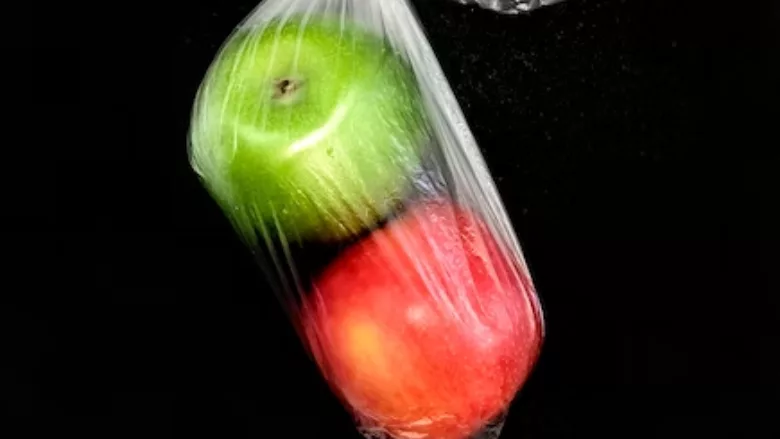
red and green apples in a plastic bag

Credit: Sophia Marston via Unsplash

February 20, 2023

Human dietary exposure to microplastics is associated with a number of urgent health risks such as digestive, reproductive, and respiratory harm, and should be addressed with a “degree of urgency,” according to a report from the California State Policy Evidence Consortium (CalSPEC).

The CalSPEC report was compiled in response to a request from California legislature to investigate how dietary exposure to microplastics in the environment are impacting human health, and what actions governments may be taking regarding microplastics. CalSPEC is a University of California (UC) initiative administered through the UC Center Sacramento (UCCS), leveraging UC expertise in research to support evidence-based policymaking at the state level.

Included in the review were nearly 2,000 studies on how microplastics affect health. The rapid review used a stepped approach to evaluate the effects of microplastics on human digestive, reproductive, and respiratory systems. CalSPEC evaluated the quality and strength of the evidence for outcomes related to biological changes (e.g., immunologic responses, inflammatory responses, and hormonal changes) and observable outcomes (e.g., colon shortening and sperm damage) measured in studies meeting the search criteria. CalSPEC then characterized the evidence into one of three human health hazard level classifications based the animal data: 1) presumed to be a hazard to humans, 2) suspected to be a hazard to humans, and 3) not classifiable.  

CalSPEC found that exposure to microplastics is suspected to be a digestive hazard to humans, including cancer. Exposure to microplastics is also suspected to be a reproductive and respiratory hazard, although the evidence from the respiratory studies did not undergo as rigorous of an evaluation. Overall, the evaluated evidence was of “moderate quality.” However, CalSPEC recognizes that the conclusions of the rapid review can be an underestimation of the true harm of microplastic exposure, given that it did not evaluate all health outcomes in the digestive and reproductive systems and did not evaluate plastic chemical additives known to increase the risk of negative health effects.

Government actions regarding microplastics were also reviewed by CalSPEC, including mandates for research to understand the environmental and human health impacts of microplastics, bans and regulations of microplastics by source (microbeads, textiles, and tires), and a high-level overview of multinational agreements or treaties on microplastics.

CalSPEC found 51 laws addressing microplastics across various levels of government and jurisdictions. The majority are concentrated in Europe and California, and are focused on banning microbeads or mandating more research. The report notes that policies are generally siloed by environmental compartment and/or microplastic source, often within a specific geographic area, rather than using a cross-boundary, ecosystem-wide approach.

The report draws three main conclusions:

  1. Knowledge about microplastics prevalence, distribution, and toxicity to humans is incomplete
  2. Existing evidence rasises concerns about the environmental and human health consequences of microplastics pollution
  3. Governments worldwide have only just begun to implement policy interventions designed to mitigate microplastics pollution, but the effectiveness of such interventions is unknown.

CalSPEC calls for research is needed to characterize the prevalence and distribution of microplastic contaminants across all environmental compartments, determine acceptable levels of microplastics exposure to humans and the environment, and evaluate effective prevention and mitigation techniques. However, CalSPEC also suggests that California legislature consider advancing policies that limit microplastic exposure based on present evidence, despite knowledge gaps. “Some degree of urgency is warranted” when dealing with microplastics because of the long timeframe required to reduce plastic pollution and the long half-life of plastic pollutants, according to the report.

Looking for quick answers on food safety topics?
Try Ask FSM, our new smart AI search tool.
Ask FSM →


KEYWORDS: microplastics plastic pollution study

Share This Story

Recommended Content

JOIN TODAY
to unlock your recommendations.

Already have an account? Sign In

  • people holding baby chicks

    Serovar Differences Matter: Utility of Deep Serotyping in Broiler Production and Processing

    This article discusses the significance of Salmonella in...
    Testing & Analysis
    By: Nikki Shariat Ph.D.
  • woman washing hands

    Building a Culture of Hygiene in the Food Processing Plant

    Everyone entering a food processing facility needs to...
    Facilities
    By: Richard F. Stier, M.S.
  • graphical representation of earth over dirt

    Climate Change and Emerging Risks to Food Safety: Building Climate Resilience

    This article examines the multifaceted threats to food...
    Contamination Control
    By: Maria Cristina Tirado Ph.D., D.V.M. and Shamini Albert Raj M.A.
Manage My Account
  • eMagazine Subscription
  • Subscribe to eNewsletter
  • Manage My Preferences
  • Website Registration
  • Subscription Customer Service

More Videos

Sponsored Content

Sponsored Content is a special paid section where industry companies provide high quality, objective, non-commercial content around topics of interest to the Food Safety Magazine audience. All Sponsored Content is supplied by the advertising company and any opinions expressed in this article are those of the author and not necessarily reflect the views of Food Safety Magazine or its parent company, BNP Media. Interested in participating in our Sponsored Content section? Contact your local rep!

close
  • Salmonella bacteria
    Sponsored byThermoFisher

    Food Microbiology Testing Methods: Salmonella species

  • a diagram explaining indicator organisms
    Sponsored byHygiena

    How Proactive Listeria Testing Helps Prevent Six- and Seven-Figure Recalls

  • woman grocery shopping
    Sponsored byCorbion

    Designing Safety Into Every Bite: Proactive Risk Mitigation for Refrigerated Foods

Popular Stories

baby eating bottle

Infant Botulism Spike Exceeds 100 Cases, Extent of ByHeart's Involvement Unclear

NRTE breaded stuffed chicken

USDA Indefinitely Delays Enforcement of Salmonella as Adulterant in Raw Breaded, Stuffed Chicken

digital map of europe

EU Publishes Food Fraud Tool Mapping Thousands of Cases Since 2016

Events

December 11, 2025

How to Develop and Implement an Effective Food Defense Strategy

Live: December 11, 2025 at 2:00 pm EDT: From this webinar, attendees will learn common areas where companies encounter challenges in their food defense strategies and how to address them.

May 11, 2026

The Food Safety Summit

Stay informed on the latest food safety trends, innovations, emerging challenges, and expert analysis. Leave the Summit with actionable insights ready to drive measurable improvements in your organization. Do not miss this opportunity to learn from experts about contamination control, food safety culture, regulations, sanitation, supply chain traceability, and so much more.

View All

Products

Global Food Safety Microbial Interventions and Molecular Advancements

Global Food Safety Microbial Interventions and Molecular Advancements

See More Products

Related Articles

  • plastics floating in water

    Scientists Point to Food Safety Threats Posed by Microplastics in Wastewater

    See More
  • trash

    Unmasking 'Forever Chemicals': Global Insights on PFAS and Urgent Calls to Action—Part 1

    See More
  • 3d rendering of a blood vessel

    Scientists Find Microplastics Used in Food Packaging in Human Veins

    See More

Related Products

See More Products
  • Food-Forensics-3D.jpg

    Food Forensics Handbook Practice, Instrumentation, Case Studies

  • food safety.jpg

    Food Safety Contaminants and Risk Assessment

  • food-safety-making.jpg

    Food Safety: Making Foods Safe and Free From Pathogens

See More Products

Related Directories

  • NSF

    Since 1944, NSF has stood at the forefront of global efforts to improve human and planet health. As an independent, internationally recognized organization, we play a pivotal role in the development of robust public health standards. NSF engages in the rigorous testing, auditing, and certification of various products and services.
  • National Environmental Health Assn. (NEHA)

    We support over 7,000 environmental health professionals globally, offering top-tier credentialing, educational materials, and events. Our FSMA courses include PCQI, FSVP, and IAVA. We employ experts to ensure the highest standards in practice and testing, fostering career growth and networking through our community and peer-reviewed journal. https://www.neha.org/FSPCA-PCQI-training.
×

Never miss the latest news and trends driving the food safety industry

eNewsletter | Website | eMagazine

JOIN TODAY!
  • RESOURCES
    • Advertise
    • Contact Us
    • Directories
    • Store
    • Want More
  • SIGN UP TODAY
    • Create Account
    • eMagazine
    • eNewsletter
    • Customer Service
    • Manage Preferences
  • SERVICES
    • Marketing Services
    • Reprints
    • Market Research
    • List Rental
    • Survey/Respondent Access
  • STAY CONNECTED
    • LinkedIn
    • Facebook
    • Instagram
    • X (Twitter)
  • PRIVACY
    • PRIVACY POLICY
    • TERMS & CONDITIONS
    • DO NOT SELL MY PERSONAL INFORMATION
    • PRIVACY REQUEST
    • ACCESSIBILITY

Copyright ©2025. All Rights Reserved BNP Media.

Design, CMS, Hosting & Web Development :: ePublishing