Spanish Growers Call for Tighter EU Import Controls on U.S. Nuts Due to Aflatoxins
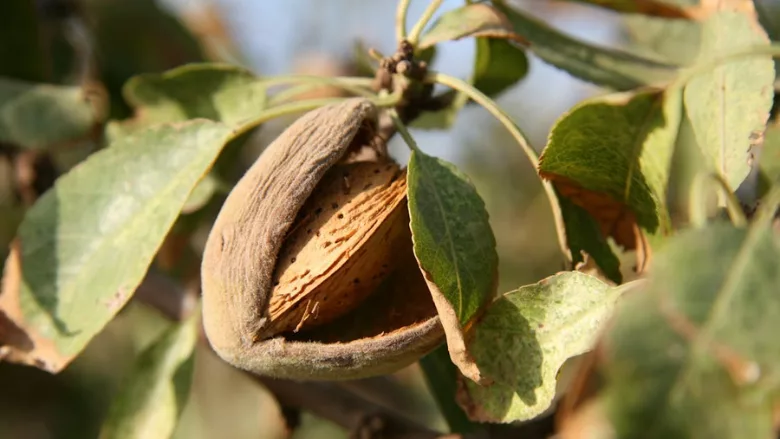
Spanish agricultural stakeholder groups are urging EU officials to take action against U.S. nut imports, which have been flagged in recent months for high levels of aflatoxins.
According to the Federation of Agricultural Cooperatives of Murcia (Fecoam), the European Rapid Alert System for Food and Feed (RASFF) published 18 food safety alerts related to U.S. nuts in August and September alone. In one notification, almonds were found to contain 29.3 micrograms per kilogram (µg/kg) of aflatoxin—nearly three times the EU maximum level of 10 µg/kg.
Aflatoxins are a type of mycotoxin, originating from fungi that proliferate in humid conditions. Mycotoxins pose significant health risks to humans, such as disrupting hormones, weakening the immune system, damaging the liver and kidneys, causing miscarriages and harm to unborn children, and contributing to cancer.
Fecoam suggests U.S. nuts may be more prone to aflatoxin contamination due to their growing process involving large quantities of water for mass production, without the same pesticide restrictions as European producers. In contrast, Spanish almonds are grown in dryland areas and are harvested directly from the tree, “thus maintaining optimal conditions for human consumption and high nutritional value,” says Fecoam.
North American almonds imported to the EU are subject to a “prior control” mechanism, which establishes that pre-export controls must be carried out by countries on feed and food shipments immediately before their export to the EU, to verify that the exported products meet EU requirements. These prior controls replace or reduce the documentary, identity, and physical import controls that would otherwise be required upon entry into the EU.
Looking for quick answers on food safety topics?
Try Ask FSM, our new smart AI search tool.
Ask FSM →