Codex Commission Adopts New International Food Standards at 48th Session
The 48th session of the Codex Alimentarius Commission (CAC48) has adopted revisions to the General Standard for Food Additives, new maximum (MLs) levels for lead in cinnamon and dried herbs, the first international standard for fresh dates, and other standards updates and changes. CDC48 is ongoing, held November 10–14, 2025 at the headquarters of the Food and Agriculture Organization of the United Nations (FAO) in Rome, Italy.
Specifically, the new and updated standards adopted at CAC48 include:
- Updates to the General Standard for Food Additives (GSFA, CXS 192-1995): More than 500 food additive provisions have been reviewed, with particular attention given to the use of colors in various food categories. As a result of this work, several provisions were revoked, including bixin-based annatto extracts in fermented milks, while others were newly adopted, such as norbixin-based annatto extracts in pasteurized, canned, or bottled fruit. Some provisions, including the use of erythrosine (known as red dye 3 in the U.S.) in canned raspberries and strawberries, remain under consideration.
- Revision of the Code of Practice for the Prevention and Reduction of Aflatoxin Contamination in Peanuts (CXC 55-2004): First adopted more than 20 years ago, this code of practice (CoP) includes recommended practices for reducing aflatoxins in peanuts at different stages of the food chain such as the pre-harvest, harvest, transport, storage, and manufacturing stages. In light of new information on reducing aflatoxins in peanuts, the committee has updated the CoP to include, among other revisions: a table elucidating the stages of peanut reproductive growth, demonstrating the full maturity stage when harvesting is optimal; the addition of feed in the scope of the text, considering that peanut by-products could be destined for feed; and a new section on the effect of roasting as one important process that can reduce aflatoxin contamination.
- Setting maximum levels (MLs) for lead in some spices and culinary herbs: Specifically, the Codex Committee adopted standards for dried bark (cinnamon) and dried culinary herbs. The MLs are 2.5 milligrams per kilogram (mg/kg) for lead in cinnamon and 2.0 mg/kg for lead in dried culinary herbs, and will now be added to the General Standard for Contaminants and Toxins in Food and Feed (CXS 193-1995).
- Adoption of guidelines for monitoring the purity and stability of reference materials and related stock solutions of pesticides during prolonged storage: Part of the process of testing for pesticide residues relies on laboratories being able to access what are known as reference materials (RMs). Due to various constraints including their limited shelf life, high recurring costs, and supply chain issues that laboratories may encounter, there was demand for developing comprehensive, harmonized guidance to help laboratories monitor the stability and purity of RMs for their possible use beyond their expiry dates, as well as for continued use of stock solutions which retain their stability and purity. The commission has now adopted guidelines that provide a scientifically sound framework to monitor the purity and stability of reference materials under defined conditions and allow continued use of RMs beyond their expiry date, where purity remains within acceptable limits.
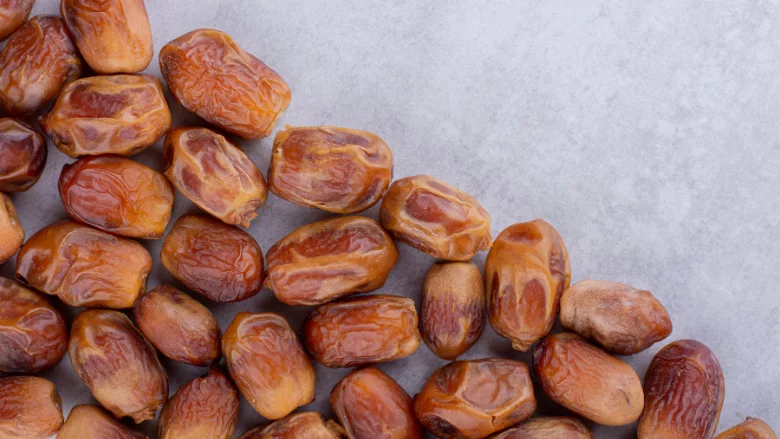
- Adoption of the first-ever standard for fresh dates: The newly adopted standard for fresh dates comes after a decade of committee work involving date-producing and trading nations, including the Kingdom of Saudia Arabia as working group co-chair, the largest exporter of dates globally. This work was first proposed in 2015 in light of the growing trade in fresh dates and their importance for livelihoods, and marks the first international standard for fresh dates. The aim of the new standard is to ensure consumers can trust the quality and safety of the dates, while facilitating trade through internationally agreed minimum requirements and agreed parameters, such as categories based on quality parameters and size, color, shape, uniformity, packaging, and other relevant quality factors.
- Adopting a new regional standard for Castilla lulo (Naranjilla), Latin America and the Caribbean: The castilla lulo (Naranjilla) is a fruit native to the Andean region of Latin America. Considering the fruit’s nutritional value and that it is increasingly traded internationally (primarily in the Latin American region), the new Standard for Castilla lulo has been adopted as a regional standard. The Castilla lulo standard establishes the minimum quality requirements the fruit should meet for safe human consumption. The standard also defines the defects that may be allowed, the information that should be included on the packaging as guidance for those who buy the product, and provisions regarding contaminants and hygiene practices that should be applied in the trade of Castilla lulo.
Additionally, during the opening ceremony of CAC48 on November 11, a proposed Codex budget increase of $500,000 was announced within FAO’s Program of Work and Budget for 2026–27.
Looking for quick answers on food safety topics?
Try Ask FSM, our new smart AI search tool.
Ask FSM →