WGS Finds High Genetic Diversity, AMR Among E. coli on UK Foods at Retail
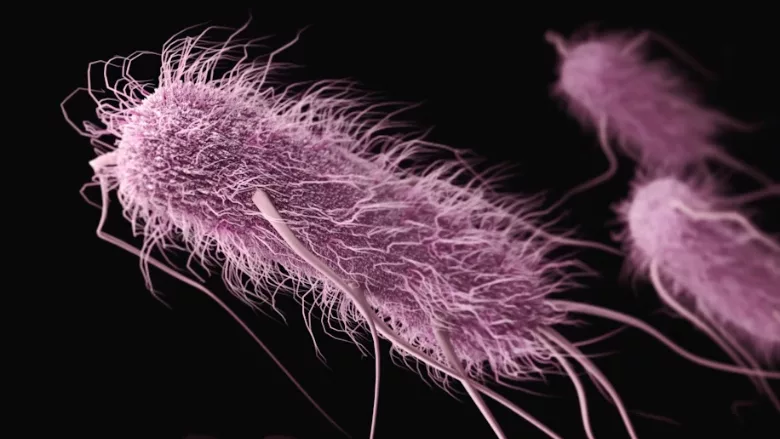
A new study has revealed significant genetic diversity and antimicrobial resistance (AMR) among Escherichia coli isolated from foods at retail in the UK. The findings, which were only made possible by using a multi-isolate whole genome sequencing (WGS) approach, underscore the limitations of traditional enumeration methods and highlight the need for genomic surveillance to better assess food safety risk—especially the risk posed by commensal or opportunistic Escherichia coli lineages.
The study, published in Microbial Genomics, was conducted by researchers affiliated with the Quadram Institute, and was supported by the UK Research and Innovation Biotechnology and Biological Sciences Research Council (UKRI BBSRC).
Fecal contamination on foodstuffs is routinely monitored in UK food safety programs through the presence and enumeration of indicator bacteria like E. coli. Although pathogenic E. coli lineages, like Shiga-toxin producing E. coli (STEC), are their own area of focus in UK surveillance programs, most E. coli strains are either commensal or opportunistic pathogens that can cause bloodstream infections or urinary tract infections (UTIs), and traditional monitoring relying on enumeration does not capture the genetic diversity and potential health risks posed by these lineages.
In this context, for their study, the researchers collected 401 food samples—including raw chicken, pork, salmon, cooked and raw prawns, and leafy greens—from retail stores in Norfolk, UK. A total of 1,067 E. coli isolates were sequenced and classified into 292 sequence types (STs), including 238 known and 54 novel STs, and were grouped into eight phylogroups.
WGS analysis revealed the following key findings:
- High diversity within samples: Nearly half of the samples (48.1 percent) contained two or more STs, with 14 percent containing three or more. In 17 samples, four distinct STs were identified, demonstrating the heterogeneity of E. coli populations within individual food items.
- Antimicrobial resistance: AMR determinants were found in 42 percent of genomes, with 33.4 percent of samples containing potential multidrug-resistant (MDR) E. coli. Chicken samples had the highest proportion of MDR isolates (60.3 percent), followed by pork (35.7 percent), prawns (22.7 percent), salmon (6.06 percent), and leafy greens (5.77 percent). Resistance genes spanned 13 drug classes, including eight critically important classes—most frequently, beta-lactams—and five highly important drug classes.
- Phylogenetic insights: Phylogroups B1 and A dominated the dataset, comprising 40.9 percent and 34 percent of genomes, respectively. Phylogroup G was largely associated with chicken meat and included ST117, a globally distributed lineage linked to extraintestinal pathogenic E. coli (ExPEC). A salmon-specific clade in phylogroup B1 (ST5474) showed no AMR determinants.
- Virulence factors: No typical intestinal pathogenic E. coli (InPEC) markers were detected. However, 26 genomes—primarily from chicken and pork—were classified as putative ExPEC, which are associated with urinary tract and bloodstream infections.
- SNP-level diversity: In 22 cases, isolates of the same ST within a single sample exhibited more than five pairwise non-recombinant single nucleotide polymorphisms (SNPs), exceeding thresholds used to define clonal outbreaks. This suggests contamination from multiple sources rather than persistence through food processing.
Implications for Food Safety
The study demonstrated that analyses relying on single isolates or traditional enumeration methods can significantly underestimate the diversity and risk of E. coli on foods. Leafy greens, often consumed raw, pose a unique risk due to their high ST diversity and potential exposure to contaminated irrigation or fertilizer. Conversely, salmon showed lower diversity, suggesting more consistent contamination sources.
The presence of MDR E. coli and mobile AMR genes raised concerns about the potential for gene transfer across bacterial species.
Overall, the study highlights the value of WGS in food safety surveillance and risk assessment. The multi-isolate WGS approach provided important insights into the genetic diversity, virulence potential, and AMR profiles of E. coli isolated from retail foods.
The researchers underscored that, as global food supply chains expand, integrating WGS into routine monitoring programs is essential, and that a One Health approach is necessary to address the complex dynamics of microbial contamination.
Looking for quick answers on food safety topics?
Try Ask FSM, our new smart AI search tool.
Ask FSM →