Food Safety
search
Ask Food Safety AI
cart
facebook twitter linkedin
  • Sign In
  • Create Account
  • Sign Out
  • My Account
Food Safety
  • NEWS
    • Latest News
    • White Papers
  • PRODUCTS
  • TOPICS
    • Contamination Control
    • Food Types
    • Management
    • Process Control
    • Regulatory
    • Sanitation
    • Supply Chain
    • Testing and Analysis
  • PODCAST
  • EXCLUSIVES
    • Food Safety Five Newsreel
    • eBooks
    • FSM Distinguished Service Award
    • Interactive Product Spotlights
    • Videos
  • BUYER'S GUIDE
  • MORE
    • ENEWSLETTER >
      • Archive Issues
      • Subscribe to eNews
    • Store
    • Sponsor Insights
    • ASK FSM AI
  • WEBINARS
  • FOOD SAFETY SUMMIT
  • EMAG
    • eMagazine
    • Archive Issues
    • Editorial Advisory Board
    • Contact
    • Advertise
  • SIGN UP!
NewsContamination ControlFood TypeRegulatorySupply ChainChemicalRefrigerated/FrozenSeafoodFDAImports/Exports

FDA Investigating Imported Radioactive Shrimp Sold at Walmart
By Food Safety Magazine Editorial Team
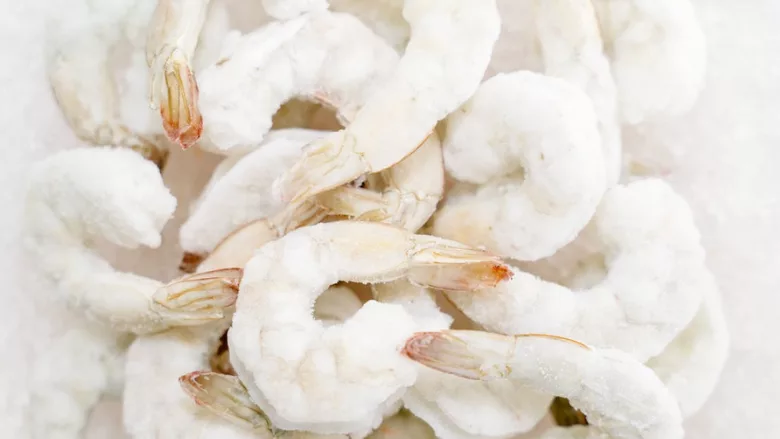
raw frozen shrimp
Image credit: Deane Bayas via Pexels
August 21, 2025

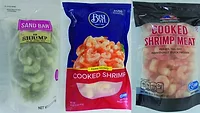
In an uncommon case of food contamination, the U.S. Food and Drug Administration (FDA) has issued a safety advisory about certain raw frozen shrimp products that tested positive for radioactivity, which were imported from Indonesia and sold at Walmart stores in 13 states.

Specifically, U.S. Customs and Border Protection (CBP) and FDA detected Cesium-137 (Cs-137), a radioactive isotope, in a single shipment of imported frozen shrimp processed by PT. Bahari Makmur Sejati (doing business as BMS Foods), an Indonesian company. After being alerted to the contamination of shipping containers detected by CBP, FDA initiated sampling of products which included five different shrimp products from BMS Foods, one of which was a sample of frozen breaded shrimp.

The level of Cs-137 detected in the detained shipment was approximately 68 becquerel per kilogram (Bq/kg), which is below FDA’s Derived Intervention Level for Cs-137 of 1200 Bq/kg. There was no detectable Cs-137 in the other products tested; however, this does not rule out contamination.

Although single exposure to the product would not pose an acute hazard to consumers at the level of radioactivity detected in the detained shrimp shipment, chronic exposure to levels of Cs-137 similar to what was found in the imported shrimp could have health impacts (i.e., DNA damage leading to an elevated risk of cancer).

The products for which FDA has issued a warning were sold at Walmart stores in Alabama, Arkansas, Florida, Georgia, Kentucky, Louisiana, Missouri, Misissippi, Ohio, Oklahoma, Pennsylvania, Texas, and West Virginia. FDA is advising consumers not to eat the following lots of raw frozen shrimp sold at Walmart stores in the aforementioned states:

  • Great Value brand frozen raw shrimp, lot code: 8005540-1, Best by Date: 3/15/2027
  • Great Value brand frozen raw shrimp, lot code: 8005538-1, Best by Date: 3/15/2027
  • Great Value brand frozen raw shrimp, lot code: 8005539-1, Best by Date: 3/15/2027.

Detailed product descriptions can be viewed on FDA’s website.

At present, no product that has tested positive or alerted for Cesium-137 (Cs-137) has entered U.S. commerce. FDA is working with distributors and retailers that received product from BMS Foods after the date of first detection of Cs-137 by CBP, and is recommending that firms conduct a recall of products from BMS Foods shipments, even if they did not alert for Cs-137.

Additionally, in conjunction with other information, FDA determined that product from BMS Foods violates the Federal Food, Drug, and Cosmetic Act, as it appears to have been prepared, packed, or held under insanitary conditions enabling its contamination with Cs-137, thereby posing a safety concern. The agency has also added BMS Foods to a new import alert for chemical contamination to stop products from the firm from entering the U.S., until the firm has resolved the conditions that led to the violation.

Looking for quick answers on food safety topics?
Try Ask FSM, our new smart AI search tool.
Ask FSM →

Cs-137 is a radioisotope of cesium that is man-made through nuclear reactions and because it is widespread worldwide, trace amounts of Cs-137 can be found in the environment, including soil, food, and air. FDA food monitoring focuses on radioisotopes (radionuclides) that are not normally present and are generally the result of human activities. Any unexpected finding of Cs-137 in a food product is evaluated to determine if follow up action is warranted on a case-by-case basis.

FDA’s investigation is ongoing. This advisory will be updated as more information becomes available.

Shrimp is the most widely consumed seafood in the U.S, most of which is imported; total seafood imports in 2018 accounted for approximately 94 percent of seafood sold by volume in the U.S., according to FDA. Indonesia is the second-largest exporting country of shrimp to the U.S. by volume, per Congress.


Update, August 25, 2025: The radioactive shrimp recall has been expanded.


Update, September 26, 2025: The recall has been further expanded, with additional distributors, brands, and retailers (including Kroger) now included. Additionally, FDA has detected Cs-137 in a shipment of spices from Indonesia. More information can be found here.


Update, October 6, 2025: Reports out of Indonesia suggest the source of Cs-137 contamination found in shrimp is environmental. The cause of cloves contamination is still under investigation.


KEYWORDS: recalls shrimp

Share This Story

Fsm purple logo 200x200

The Food Safety Magazine editorial team comprises Bailee Henderson, Digital Editor ✉; Adrienne Blume, M.A., Editorial Director; and Stacy Atchison, Publisher.

Recommended Content

JOIN TODAY
to unlock your recommendations.

Already have an account? Sign In

  • people holding baby chicks

    Serovar Differences Matter: Utility of Deep Serotyping in Broiler Production and Processing

    This article discusses the significance of Salmonella in...
    Testing & Analysis
    By: Nikki Shariat Ph.D.
  • woman washing hands

    Building a Culture of Hygiene in the Food Processing Plant

    Everyone entering a food processing facility needs to...
    Facilities
    By: Richard F. Stier, M.S.
  • graphical representation of earth over dirt

    Climate Change and Emerging Risks to Food Safety: Building Climate Resilience

    This article examines the multifaceted threats to food...
    International
    By: Maria Cristina Tirado Ph.D., D.V.M. and Shamini Albert Raj M.A.
Manage My Account
  • eMagazine Subscription
  • Subscribe to eNewsletter
  • Manage My Preferences
  • Website Registration
  • Subscription Customer Service

More Videos

Sponsored Content

Sponsored Content is a special paid section where industry companies provide high quality, objective, non-commercial content around topics of interest to the Food Safety Magazine audience. All Sponsored Content is supplied by the advertising company and any opinions expressed in this article are those of the author and not necessarily reflect the views of Food Safety Magazine or its parent company, BNP Media. Interested in participating in our Sponsored Content section? Contact your local rep!

close
  • Salmonella bacteria
    Sponsored byThermoFisher

    Food Microbiology Testing Methods: Salmonella species

  • a diagram explaining indicator organisms
    Sponsored byHygiena

    How Proactive Listeria Testing Helps Prevent Six- and Seven-Figure Recalls

  • woman grocery shopping
    Sponsored byCorbion

    Designing Safety Into Every Bite: Proactive Risk Mitigation for Refrigerated Foods

Popular Stories

baby eating bottle

Infant Botulism Spike Exceeds 100 Cases, Extent of ByHeart's Involvement Unclear

NRTE breaded stuffed chicken

USDA Indefinitely Delays Enforcement of Salmonella as Adulterant in Raw Breaded, Stuffed Chicken

digital map of europe

EU Publishes Food Fraud Tool Mapping Thousands of Cases Since 2016

Events

December 11, 2025

How to Develop and Implement an Effective Food Defense Strategy

Live: December 11, 2025 at 2:00 pm EDT: From this webinar, attendees will learn common areas where companies encounter challenges in their food defense strategies and how to address them.

May 11, 2026

The Food Safety Summit

Stay informed on the latest food safety trends, innovations, emerging challenges, and expert analysis. Leave the Summit with actionable insights ready to drive measurable improvements in your organization. Do not miss this opportunity to learn from experts about contamination control, food safety culture, regulations, sanitation, supply chain traceability, and so much more.

View All

Products

Global Food Safety Microbial Interventions and Molecular Advancements

Global Food Safety Microbial Interventions and Molecular Advancements

See More Products

Related Articles

  • dried cloves

    After Radioactive Shrimp Recall, FDA Detects More Cs-137 in Indonesian Spice Import

    See More
  • radioactive shrimp brands recall

    Radioactive Shrimp Recall Expanded

    See More
  • pink shrimp white background

    ‘Safer Shrimp Imports Act’ Would Require FDA to Enforce Stricter Inspections for Imported Shrimp

    See More

Related Products

See More Products
  • food safety.jpg

    Food Safety Contaminants and Risk Assessment

  • food-safety-making.jpg

    Food Safety: Making Foods Safe and Free From Pathogens

  • 9781138070912.jpg

    Trends in Food Safety and Protection

See More Products

Related Directories

  • Certified Laboratories, a Certified Group Co.

    Certified Laboratories provides comprehensive laboratory testing and analysis throughout a North American network of 30+ ISO 17025 accredited labs. Our expertise extends across a full range of regulated industries, including beef, dairy, poultry, pet food, spices, seafood, nuts, produce, FDA imports, and ready-to-eat foods.
  • FSNS, a Certified Group Co.

    Food Safety Net Services (FSNS) provides comprehensive laboratory testing and analysis throughout a North American network of 30+ ISO 17025 accredited labs. Our expertise extends across a full range of regulated industries, including beef, dairy, poultry, pet food, spices, seafood, nuts, produce, FDA imports, and ready-to-eat foods.
×

Never miss the latest news and trends driving the food safety industry

eNewsletter | Website | eMagazine

JOIN TODAY!
  • RESOURCES
    • Advertise
    • Contact Us
    • Directories
    • Store
    • Want More
  • SIGN UP TODAY
    • Create Account
    • eMagazine
    • eNewsletter
    • Customer Service
    • Manage Preferences
  • SERVICES
    • Marketing Services
    • Reprints
    • Market Research
    • List Rental
    • Survey/Respondent Access
  • STAY CONNECTED
    • LinkedIn
    • Facebook
    • Instagram
    • X (Twitter)
  • PRIVACY
    • PRIVACY POLICY
    • TERMS & CONDITIONS
    • DO NOT SELL MY PERSONAL INFORMATION
    • PRIVACY REQUEST
    • ACCESSIBILITY

Copyright ©2025. All Rights Reserved BNP Media.

Design, CMS, Hosting & Web Development :: ePublishing