Food Safety
search
Ask Food Safety AI
cart
facebook twitter linkedin instagram youtube
  • Sign In
  • Create Account
  • Sign Out
  • My Account
Food Safety
  • NEWS
    • Latest News
    • Sponsored Insights
    • Sponsored White Papers
  • PRODUCTS
  • TOPICS
    • Contamination Control
    • Food Types
    • Management
    • Process Control
    • Regulatory
    • Sanitation
    • Supply Chain
    • Testing and Analysis
  • PODCAST
  • EXCLUSIVES
    • Food Safety Five Newsreel
    • eBooks
    • FSM Distinguished Service Award
    • Interactive Product Spotlights
    • Videos
  • BUYER'S GUIDE
  • MORE
    • NEWSLETTERS >
      • Archive Issues
      • Subscribe to eNews
    • Store
    • ASK FSM AI
  • WEBINARS
  • FOOD SAFETY SUMMIT
  • EMAG
    • eMagazine
    • Archive Issues
    • Editorial Advisory Board
    • Contact
    • Advertise
  • SIGN UP!
NewsFood TypeRegulatorySupply ChainSeafoodFDAFSMAImports/Exports

FDA Releases Report on Work to Ensure Food Safety of Imported Seafood
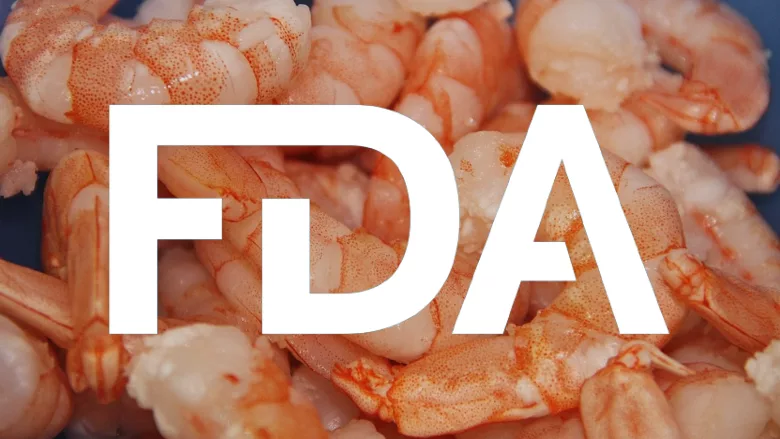
shrinp fda overlay

Credit: manfredrichter via Pixabay

March 21, 2023

The U.S. Food and Drug Administration (FDA) has released a report, titled, Activities for the Safety of Imported Seafood. The document shares the steps that FDA is taking to ensure that seafood imported to the U.S. meets food safety requirements and the standards of domestically produced seafood.   

According to FDA, seafood is one of the most highly traded food commodities in the world, with 2018 total imports accounting for approximately 94 percent of seafood sold by volume in the U.S. The safety of imported seafood, particularly shrimp, the most consumed type of seafood in the U.S., has garnered the attention of the U.S. Congress and industry, among other stakeholders, resulting in the FDA Strategy for the Safety of Imported Food, which is the basis of the present report. The import strategy is guided by four goals:  

  1. Food Offered for Import Meets U.S. Food Safety Requirements
  2. FDA Border Surveillance Prevents Entry of Unsafe Foods
  3. Rapid and Effective Response to Unsafe Imported Food
  4. Effective and Efficient Food Import Program

Activities for the Safety of Imported Seafood details how FDA regulatory activities, alongside innovative programs and technology, are employed to support each of the four goals as they relate to imported seafood safety. Efforts include:

  • Proactively engaging and establishing partnerships with FDA regulatory counterparts in countries that export seafood to the U.S.
  • Exploring the use of artificial intelligence (AI), specifically machine learning, to strengthen predictive analytics
  • Developing new tools that leverage technology, such as geographic information systems (GIS), to provide spatial intelligence about potential seafood hazards.  

Many of the new import oversight tools described in the report align with activities under FDA’s New Era of Smarter Food Safety initiative, which focuses on creating a more digital, traceable, and safer food system and builds upon the Food Safety Modernization Act (FSMA).    

Additionally, in November 2022, the FDA released the Activities for the Safety of Imported Produce report. Similar to the seafood report, the document outlines how the agency is working to enhance the safety of imported produce guided by the four goals established in the imported food safety strategy document. Today, the U.S. imports roughly 32 percent of its fresh vegetables and 55 percent of its fresh fruit.

Looking for quick answers on food safety topics?
Try Ask FSM, our new smart AI search tool.
Ask FSM →


KEYWORDS: FDA imports New Era of Smarter Food Safety report seafood

Share This Story

Recommended Content

JOIN TODAY
to unlock your recommendations.

Already have an account? Sign In

  • people holding baby chicks

    Serovar Differences Matter: Utility of Deep Serotyping in Broiler Production and Processing

    This article discusses the significance of Salmonella in...
    Food Type
    By: Nikki Shariat Ph.D.
  • woman washing hands

    Building a Culture of Hygiene in the Food Processing Plant

    Everyone entering a food processing facility needs to...
    Personal Hygiene/Handwashing
    By: Richard F. Stier, M.S.
  • graphical representation of earth over dirt

    Climate Change and Emerging Risks to Food Safety: Building Climate Resilience

    This article examines the multifaceted threats to food...
    International
    By: Maria Cristina Tirado Ph.D., D.V.M. and Shamini Albert Raj M.A.
Manage My Account
  • eMagazine Subscription
  • Subscribe to Newsletters
  • Manage My Preferences
  • Website Registration
  • Subscription Customer Service

More Videos

Sponsored Content

Sponsored Content is a special paid section where industry companies provide high quality, objective, non-commercial content around topics of interest to the Food Safety Magazine audience. All Sponsored Content is supplied by the advertising company and any opinions expressed in this article are those of the author and not necessarily reflect the views of Food Safety Magazine or its parent company, BNP Media. Interested in participating in our Sponsored Content section? Contact your local rep!

close
  • Man In Warehouse
    Sponsored byRentokil

    Mitigating Hidden Rodent Risks in Food Facilities

  • an industrial manufacturing or processing facility
    Sponsored bybioMérieux

    Get Ahead of Spoilage in Food Manufacturing with Metagenomics for Preventive Monitoring

  • an automated industrial production line used in a modern food factory
    Sponsored byIFC

    A Formula for Food Processing Pest Management

Popular Stories

dozen white eggs

Nearly 100 Sick in Multistate Salmonella Outbreak, Millions of Eggs Recalled

Business people shaking hands with FDA logo overlay

FDA to Centralize Administrative Functions, Generalize Inspectors

packaged sesame seed buns

FDA's Allergen Agenda Is Expanding: Thresholds, Gluten Cross-Contact, and What Food Companies Should Watch for Next

building a skilled workforce ebook

Events

August 6, 2026

Beyond Sanitation: Understanding the Hidden System Conditions That Allow Pathogens to Persist

Live: August 6, 2026 at 2:00 pm EDT: Attend this webinar to learn strategies for strengthening environmental control programs through a layered approach to pathogen management.

August 11, 2026

Beyond Sanitization: Reducing Contamination Risk Without Raising Operating Cost

Live: August 11, 2026 at 2:00 pm EDT: Attend this webinar to learn why ambient air is the largest and most overlooked contamination zone in food processing, and what it costs you between scheduled cleans.

August 25, 2026

Don’t Wing It: Bird Control for Food Processing Facilities

Live: August 25, 2026 at 2:00 pm EDT: This webinar will cover why managing bird activity should be a priority for your business, the complexities involved in effective bird control, and proactive strategies to help protect your facility.

View All

Products

Global Food Safety Microbial Interventions and Molecular Advancements

Global Food Safety Microbial Interventions and Molecular Advancements

See More Products

Related Articles

  • FDA logo

    FDA releases report on inspection and environmental sampling of ice cream production facilities for harmful bacteria

    See More
  • person washing hands, handwashing, sanitation

    FDA Releases Report on Foodborne Illness Risk Factors in Retail Food Store Delis

    See More
  • FDA Releases Report on Salmonella in CEA Leafy Greens

    FDA Releases Report on Salmonella in CEA Leafy Greens

    See More

Related Products

See More Products
  • 9781498721776.jpg

    Handbook of Food Processing: Food Safety, Quality, and Manufacturing Processes

  • 1119053595.jpg

    Food Safety for the 21st Century: Managing HACCP and Food Safety throughout the Global Supply Chain, 2E

  • 1444333348.jpg

    Handbook of Food Safety Engineering

See More Products

Related Directories

  • Active Food Safety

    Active Food Safety consists of an experienced team of food safety professionals who are thought-leaders in the food industry, and have each led enterprise level food safety management programs in several of the most well-known and respected brands in the food industry. We continuously help our clients ensure food safety based on proven business best practices designed specifically to the brand - to maximize risk reduction to prevent foodborne disease illnesses and outbreaks, to meet all government regulatory requirements, and to improve sales and brand reputation.
  • OnSite Food Safety (Microbiologique)

    Rapid, simple gluten and allergen test kits. OnSite® Test Kits require no equipment and are useful for both commercial laboratories and for the food production industry.
  • Food Safety News

    Food Safety News advances public health by delivering timely, accurate, and comprehensive coverage of foodborne illness outbreaks, recalls, and regulatory developments that impact the safety of our global food supply.
×

Never miss the latest news and trends driving the food safety industry

Newsletters | Website | eMagazine

JOIN TODAY!
  • RESOURCES
    • Advertise
    • Contact Us
    • Directories
    • Store
    • Want More
  • SIGN UP TODAY
    • Create Account
    • eMagazine
    • Newsletters
    • Customer Service
    • Manage Preferences
  • SERVICES
    • Marketing Services
    • Reprints
    • Market Research
    • List Rental
    • Survey/Respondent Access
  • STAY CONNECTED
    • LinkedIn
    • Facebook
    • Instagram
    • X (Twitter)
  • PRIVACY
    • PRIVACY POLICY
    • TERMS & CONDITIONS
    • DO NOT SELL MY PERSONAL INFORMATION
    • PRIVACY REQUEST
    • ACCESSIBILITY

Copyright ©2026. All Rights Reserved BNP Media, Inc. and BNP Media II, LLC.

Design, CMS, Hosting & Web Development :: ePublishing