UK FSA Reports Low Levels of Antibiotic-Resistant Listeria, E. coli in Salmon Fillets
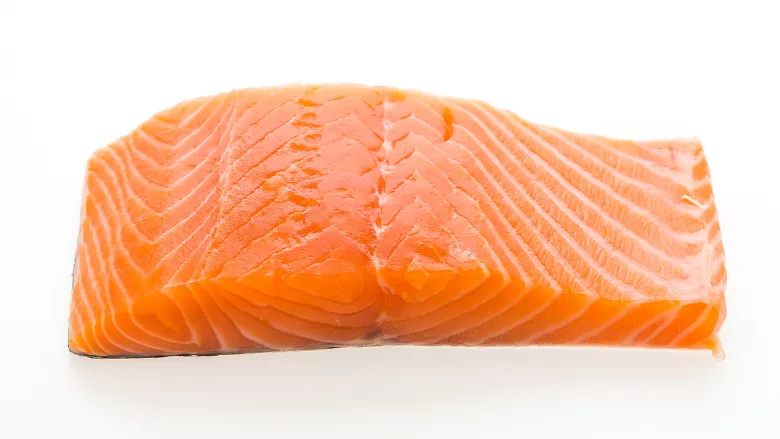
Antibiotic use is rising in UK farmed salmon—with the UK Veterinary Medicines Directorate (VMD) reporting a 168 percent increase between 2017 and 2021. Additionally, in 2022, an outbreak of Listeria monocytogenes was linked to smoked salmon. These factors raise concerns about antibiotic-resistant L. monocytogenes in salmon products.
Moreover, although raw salmon is not considered a ready-to-eat (RTE) product, and therefore is not required to meet L. monocytogenes regulatory criteria in the UK, it may be used in the production of RTE products without being subject to a heat processing step, posing the risk of L. monocytogenes and other pathogens surviving in the finished RTE product.
In this context, the UK Food Standards Agency (FSA) commissioned a national survey to assess the presence of important foodborne pathogens and antimicrobial resistance (AMR) in raw salmon fillets sold at retail. Conducted throughout 2024, the study analyzed 307 prepacked, chilled farmed salmon fillets purchased from major UK supermarkets. Researchers tested for the presence of L. monocytogenes and Escherichia coli, and analyzed bacterial isolates for antimicrobial susceptibility.
L. monocytogenes was found in just 1.6 percent of samples, at low levels below 20 colony forming units per gram (CFU/g), with no resistance to clinically important antibiotics. Genetic analysis revealed two isolates with similarities to strains from past human listeriosis cases, suggesting suggest a common source for the food and clinical strains.
E. coli was detected in 35 percent of samples, also at low levels, with only 4 percent of isolates showing resistance to ampicillin. No isolates exhibited resistance to extended-spectrum beta-lactams, colistin, or carbapenems.
The study also reviewed historical data from 15 additional L. monocytogenes isolates found in raw salmon between 2015 and 2024. All carried intrinsic resistance to fosfomycin (an antibiotic used in the treatment of osteomyelitis and bacterial meningitis), as well as potential resistance to benzalkonium chloride, a common disinfectant used in the food industry. No other AMR genes were detected.
The findings provide evidence that raw salmon fillets sold in the UK pose a low food safety risk from L. monocytogenes, E. coli, and AMR. Nonetheless, FSA underscores the importance of continued surveillance proper hygiene, especially as raw salmon may be used in RTE products without a kill step.
The full FSA report can be read here.
Looking for quick answers on food safety topics?
Try Ask FSM, our new smart AI search tool.
Ask FSM →