Food Safety
search
Ask Food Safety AI
cart
facebook twitter linkedin instagram youtube
  • Sign In
  • Create Account
  • Sign Out
  • My Account
Food Safety
  • NEWS
    • Latest News
    • White Papers
  • PRODUCTS
  • TOPICS
    • Contamination Control
    • Food Types
    • Management
    • Process Control
    • Regulatory
    • Sanitation
    • Supply Chain
    • Testing and Analysis
  • PODCAST
  • EXCLUSIVES
    • Food Safety Five Newsreel
    • eBooks
    • FSM Distinguished Service Award
    • Interactive Product Spotlights
    • Videos
  • BUYER'S GUIDE
  • MORE
    • NEWSLETTERS >
      • Archive Issues
      • Subscribe to eNews
    • Store
    • Sponsor Insights
    • ASK FSM AI
  • WEBINARS
  • FOOD SAFETY SUMMIT
  • EMAG
    • eMagazine
    • Archive Issues
    • Editorial Advisory Board
    • Contact
    • Advertise
  • SIGN UP!
NewsContamination ControlFood TypeSupply ChainChemical ControlMicrobiological ControlProduceGrowers/GAPs

Aspergillus Resistance to Azole Fungicides on the Rise; EU Report Recommends Actions for Agriculture Sector

By Food Safety Magazine Editorial Team
illustration of fruit contaminated with aspergillus mold

Image credit: brgfx via Freepik

January 30, 2025

EU agencies are recommending actions the agriculture sector should take toward the more responsible use of azole-based fungicides, due to the risk of Aspergillus becoming azole-resistant, making treatment for human infections less effective.

Supported by the EU Joint Research Center (JRC), the five EU health and environment agencies—the European Food Safety Authority (EFSA), the European Center for Disease Control (ECDC), the European Chemicals Agency (ECHA), the European Environment Agency (EEA), and the European Medicines Agency (EMA)—reviewed how the use of azole substances outside human medicine affects public health. The report highlights that the broad use of azole substances outside human medicine, particularly in agriculture, contributes to the risk of Aspergillus becoming azole-resistant, which would render treatment of aspergillosis less effective.

Azole medicines are essential for treating aspergillosis, a serious infection caused by Aspergillus fungi. However, these fungi are increasingly becoming resistant to azole therapies, making treatment less effective. Additionally, azole substances are widely used as plant protection products to control fungal diseases in agriculture.

Data collected from European countries between 2010 and 2021 indicate that plant protection products account for most of the reported azole sales across all sectors. In EU agriculture, an important contributor to azole resistance includes stockpiled agricultural waste used to improve and fertilize soil for crops like indoor growing fruiting vegetables, wine grapes, maize, sugar beets, olives, pome fruit, citrus fruit, and field heaps.

Taking a One Health approach to preventing the rise in azole resistance, the five EU agencies recommended actions across sectors:

  • Adding new, specific requirements for the approval and authorization processes for azole fungicides
  • Supporting research into and development of new fungicides with innovative mechanisms of action that do not lead to resistance to antifungal medicines used in human treatments
  • Following good agricultural and horticultural practices, properly storing organic waste, managing waste effectively, and using and disposing azole-treated products responsibly
  • Collecting more data on the uses of azole-based fungicides and of azole-based antifungals
  • Further developing specific technical guidance and risk assessment methodologies to support regulatory decisions on the approval of azole substances and to mitigate the risk of azole resistance in Aspergillus
  • Conducting further research to address existing uncertainties.

In agriculture, the report emphasized the importance of the thoughtful use of azole fungicides, promoting best practices for waste management and soil fertilization, as well as further research.

Looking for quick answers on food safety topics?
Try Ask FSM, our new smart AI search tool.
Ask FSM →


KEYWORDS: ECDC EFSA EU Europe fungicide one health report

Share This Story

Fsm purple logo 200x200

The Food Safety Magazine editorial team comprises Bailee Henderson, Digital Editor ✉ and Adrienne Blume, M.A., Editorial Director.

Recommended Content

JOIN TODAY
to unlock your recommendations.

Already have an account? Sign In

  • people holding baby chicks

    Serovar Differences Matter: Utility of Deep Serotyping in Broiler Production and Processing

    This article discusses the significance of Salmonella in...
    Microbiological Control
    By: Nikki Shariat Ph.D.
  • woman washing hands

    Building a Culture of Hygiene in the Food Processing Plant

    Everyone entering a food processing facility needs to...
    Management
    By: Richard F. Stier, M.S.
  • graphical representation of earth over dirt

    Climate Change and Emerging Risks to Food Safety: Building Climate Resilience

    This article examines the multifaceted threats to food...
    International
    By: Maria Cristina Tirado Ph.D., D.V.M. and Shamini Albert Raj M.A.
Manage My Account
  • eMagazine Subscription
  • Subscribe to Newsletters
  • Manage My Preferences
  • Website Registration
  • Subscription Customer Service

More Videos

Sponsored Content

Sponsored Content is a special paid section where industry companies provide high quality, objective, non-commercial content around topics of interest to the Food Safety Magazine audience. All Sponsored Content is supplied by the advertising company and any opinions expressed in this article are those of the author and not necessarily reflect the views of Food Safety Magazine or its parent company, BNP Media. Interested in participating in our Sponsored Content section? Contact your local rep!

close
  • NEVIFIT 3 Compartment BPA-FREE
    Sponsored byCorbion

    The Risks of Ready-to-Eat: Five Ways to Protect Today's Prepared Meals

  • a group of workers in a food production facility
    Sponsored bySkillUp by Registrar Corp

    How to Build a Better Training Program: Data and Insights from the Global Food Safety Training Survey

  • the use of dual-energy X-ray food inspection technology to identify foreign contaminants.
    Sponsored byEagle by METTLER TOLEDO

    Precision Inspection Starts with the Right X-ray Detector

Popular Stories

green powder/moringa in wooden mortar

FDA Opens Third Salmonella–Moringa Outbreak Investigation of the Year

FoodSafetyMattersFinal-900x550-(002).jpg

Ep. 218. Dr. Brady Carter: Water Activity, Shelf-Life Validation, and Food Safety Controls

fermented meat

Study is First to Analyze Trends in Foodborne Illness Outbreaks Linked to Non-Dairy Fermented Products

a practical guide to spoilage investigation webinar

Events

June 3, 2026

How to Build a Better Food Safety Training Program

Live: June 3, 2026 at 2:00 pm EDT: Join this webinar to learn how AI is impacting food safety training, and how you can leverage AI in your programs.

June 4, 2026

Building a Stronger Food Safety Program in a Changing GFSI Landscape

Live: June 4, 2026 at 11:00 am EDT: Attend this webinar to understand how GFSI requirements are evolving and what those changes signal for quality programs at food and beverage facilities.

June 10, 2026

A Practical Guide to Spoilage Investigation and Prevention

Live: June 10, 2026 at 11:00 am EDT: Join this webinar to learn how to identify spoilage root causes, reduce risk, and apply data-driven strategies for prevention.

View All

Products

Global Food Safety Microbial Interventions and Molecular Advancements

Global Food Safety Microbial Interventions and Molecular Advancements

See More Products

Related Articles

  • meat on cutting board next to pills with gloved hand injecting syringe into meat

    Detection of Foodborne Bacteria Resistant to Last-Resort Carbapenem Antibiotics on the Rise in EU

    See More
  • doctor talking to patient in hospital bed

    Foodborne Illnesses on the Rise in EU; Listeria Cases Reach Highest Level Since 2007

    See More
  • cyber security defense graphic

    Cybersecurity and Food Defense: Establishing an ISAC for the Food and Agriculture Sector

    See More

Related Products

See More Products
  • 1119053595.jpg

    Food Safety for the 21st Century: Managing HACCP and Food Safety throughout the Global Supply Chain, 2E

  • 1119258073.jpg

    FSMA and Food Safety Systems: Understanding and Implementing the Rules

  • 1119160553.jpg

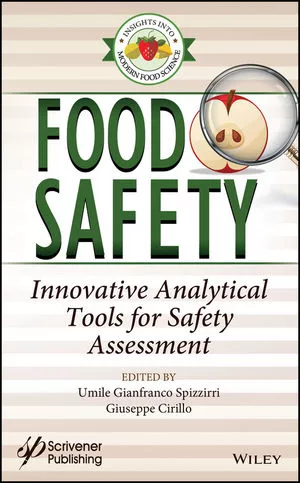
    Food Safety: Innovative Analytical Tools for Safety Assessment

See More Products

Related Directories

  • On Target Packaging

    On Target Packaging is a production/maintenance servicer for combination and check weighers. We do not sell or process food, but provide service/repairs, and equipment for the food industry
  • OneVision Corp.

    We develop, manufacture, sell and support can seam inspection and weighing systems to food and beverage canners, can makers, and specialty manufacturers (oil filter, aerosol cans, composite cans). Founded in 1994, we've installed and support more than 350 can seam inspection systems around the world.
×

Never miss the latest news and trends driving the food safety industry

Newsletters | Website | eMagazine

JOIN TODAY!
  • RESOURCES
    • Advertise
    • Contact Us
    • Directories
    • Store
    • Want More
  • SIGN UP TODAY
    • Create Account
    • eMagazine
    • Newsletters
    • Customer Service
    • Manage Preferences
  • SERVICES
    • Marketing Services
    • Reprints
    • Market Research
    • List Rental
    • Survey/Respondent Access
  • STAY CONNECTED
    • LinkedIn
    • Facebook
    • Instagram
    • X (Twitter)
  • PRIVACY
    • PRIVACY POLICY
    • TERMS & CONDITIONS
    • DO NOT SELL MY PERSONAL INFORMATION
    • PRIVACY REQUEST
    • ACCESSIBILITY

Copyright ©2026. All Rights Reserved BNP Media, Inc. and BNP Media II, LLC.

Design, CMS, Hosting & Web Development :: ePublishing