The U.S. Public Interest Research Group (PIRG) Education Fund’s newly published Food for Thought report outlines food recalls and foodborne illness outbreak investigations that occurred in 2025 and provides recommendations for improving the U.S. food recall system.
The researchers found that advanced, multi-step disinfection treatment significantly reduces the antibiotic resistance (AMR)-related food safety risks of wastewater reused for irrigation, while biological treated water remains a potential source of resistant bacteria contamination.
FoodChain ID recently announced two global developments: a partnership with the Center of Excellence for Life Sciences, Agriculture, and Bioingenuity to support recovery of the Ukrainian agri-food sector and the acquisition of Brazilian certification body Sbcert.
A new publication from FAO analyzes existing regulatory frameworks related to online food sales and presents recommendations to national authorities on the development of food e-commerce laws and enforcement.
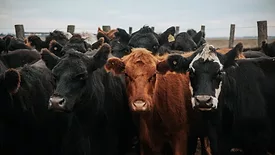
With the hope of developing a user-friendly model, a Center for Produce Safety-funded study is investigating factors that influence Escherichia coli contamination risks posed by concentrated animal feeding operations (CAFO) near produce growing fields.
The European Commission has established a task force to strengthen food safety controls for food imports, building upon a broader set of measures announced in December.
The Alliance for Advanced Sanitation has launched an industry-wide survey to capture the current state of innovation, manufacturing, and workforce needs across the global food supply chain.
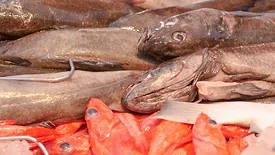
An international study has shown that European seafood is high in PFAS, and that fish exports expose consumers in regions of the world with otherwise low levels of pollution to harmful “forever chemicals.”
With the goal of helping retail food regulatory programs progress toward achieving FDA’s Retail Program Standards, grant funding supports capacity building, workforce development, and targeted program improvements that strengthen food safety at the retail level.
A paper from the year 2000 suggesting the safety of glyphosate (the active ingredient in herbicide Roundup), which has been cited for decades in regulatory decisions and pesticide approvals, has been retracted after litigation revealed undisclosed conflicts of interest undermining the study’s integrity.
 RSS