Food Safety
search
Ask Food Safety AI
cart
facebook twitter linkedin
  • Sign In
  • Create Account
  • Sign Out
  • My Account
Food Safety
  • NEWS
    • Latest News
    • White Papers
  • PRODUCTS
  • TOPICS
    • Contamination Control
    • Food Types
    • Management
    • Process Control
    • Regulatory
    • Sanitation
    • Supply Chain
    • Testing and Analysis
  • PODCAST
  • EXCLUSIVES
    • Food Safety Five Newsreel
    • eBooks
    • FSM Distinguished Service Award
    • Interactive Product Spotlights
    • Videos
  • BUYER'S GUIDE
  • MORE
    • NEWSLETTERS >
      • Archive Issues
      • Subscribe to eNews
    • Store
    • Sponsor Insights
    • ASK FSM AI
  • WEBINARS
  • FOOD SAFETY SUMMIT
  • EMAG
    • eMagazine
    • Archive Issues
    • Editorial Advisory Board
    • Contact
    • Advertise
  • SIGN UP!
NewsContamination ControlSupply ChainChemicalGrowers/GAPs

Journal Retracts Hallmark Glyphosate Safety Study, Increasing Cancer Concerns

By Bailee Henderson
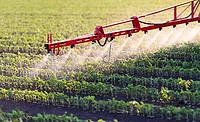
crop duster plane
Image credit: Piotrek Wilk via Pexels
January 8, 2026

The journal Regulatory Toxicology and Pharmacology has retracted a paper from the year 2000 asserting the safety of glyphosate—the active ingredient in the herbicide Roundup—which has been relied upon as a hallmark piece of evidence for regulatory approvals of the agricultural chemical since its publication.

In recent years, Roundup has faced increasing public scrutiny due to its potential adverse health effects like cancer, and Bayer’s Monsanto, the maker of Roundup, has been mired in lawsuits alleging harm from exposure to the chemical. Bayer announced in 2021 that it would end sales of glyphosate-based herbicides in the U.S. to manage litigation risks, because, at the time, more than 40,000 related lawsuits had been filed by cancer patients or their families against the company.

According to the retraction, such lawsuits have uncovered emails from Monsanto showing that employees of the company may have contributed to the data collection, writing, and review of the 2000 study without acknowledgement. Further correspondence with Monsanto revealed during litigation also indicates that the authors may have received undisclosed financial compensation from Monsanto for their work.

“This lack of transparency raises serious ethical concerns regarding the independence and accountability of the authors of this article and the academic integrity of the carcinogenicity studies presented,” states the retraction.

EPA Due to Deliver Decision on Glyphosate Safety in 2026

The U.S. Environmental Protection Agency (EPA) is due to deliver a safety reevaluation decision for glyphosate in 2026 following a lawsuit filed by the Center for Food Safety (CFS) and its allies challenging the agency’s determination that glyphosate is safe for humans and the environment. In 2022, the U.S. Court of Appeals for the Ninth Circuit overturned EPA’s safety decision, finding that the agency did not adequately consider the chemical’s risk of harm to humans or to endangered species in compliance with the Federal Insecticide, Fungicide, and Rodenticide Act (FIFRA). At the time, the court ordered the completion of a new assessment by October 2022, which EPA said it could not meet, forcing the agency to withdraw its previous decision. This required EPA to draft and issue a new, complete, FIFRA-compliant glyphosate final registration review decision, which is expected to be completed in 2026.

Evidence of Glyphosate’s Carcinogenicity and Genotoxicity

The World Health Organization’s International Agency for Research on Cancer (WHO’s IARC) declared in 2015 that glyphosate is “probably carcinogenic to humans.”

Investigating WHO IARC’s conclusion, in 2025, a major rodent study was published in Environmental Health finding that glyphosate causes multiple types of cancer, such as leukemia, even at or below doses considered “safe” by EU regulatory agencies (specifically, the EU’s Acceptable Daily Intake level and No Observed Adverse Effect Level). Over two years, thousands of rats were exposed to glyphosate in utero via drinking water ingested by their mothers, and then through drinking water throughout 104 weeks of life. Statistically significant dose-related increases of various types of malignant tumors were observed. The findings were consistent with WHO’s conclusion, as well as other epidemiological evidence on the chemical’s carcinogenicity. The study was led by the Ramazzini Institute as part of the Global Glyphosate Study, with collaboration from institutions like Boston College and Mount Sinai.

In addition to glyphosate exposure resulting from direct contact, such as agricultural workers who have applied the chemical to crops, pesticide residues may be present in food and water consumed by the general population. Biomonitoring studies have found the widespread presence of glyphosate in U.S. adults’ and children’s urine.

Looking for quick answers on food safety topics?
Try Ask FSM, our new smart AI search tool.
Ask FSM →


KEYWORDS: EPA glyphosate herbicides pesticide residues

Share This Story

Baileehendersonmay23

Bailee Henderson is the Digital Editor of Food Safety Magazine. She can be reached at hendersonb@bnpmedia.com.

Recommended Content

JOIN TODAY
to unlock your recommendations.

Already have an account? Sign In

  • people holding baby chicks

    Serovar Differences Matter: Utility of Deep Serotyping in Broiler Production and Processing

    This article discusses the significance of Salmonella in...
    Testing & Analysis
    By: Nikki Shariat Ph.D.
  • woman washing hands

    Building a Culture of Hygiene in the Food Processing Plant

    Everyone entering a food processing facility needs to...
    Facilities
    By: Richard F. Stier, M.S.
  • graphical representation of earth over dirt

    Climate Change and Emerging Risks to Food Safety: Building Climate Resilience

    This article examines the multifaceted threats to food...
    Contamination Control
    By: Maria Cristina Tirado Ph.D., D.V.M. and Shamini Albert Raj M.A.
Manage My Account
  • eMagazine Subscription
  • Subscribe to Newsletters
  • Manage My Preferences
  • Website Registration
  • Subscription Customer Service

More Videos

Sponsored Content

Sponsored Content is a special paid section where industry companies provide high quality, objective, non-commercial content around topics of interest to the Food Safety Magazine audience. All Sponsored Content is supplied by the advertising company and any opinions expressed in this article are those of the author and not necessarily reflect the views of Food Safety Magazine or its parent company, BNP Media. Interested in participating in our Sponsored Content section? Contact your local rep!

close
  • Salmonella bacteria
    Sponsored byThermoFisher

    Food Microbiology Testing Methods: Salmonella species

  • a diagram explaining indicator organisms
    Sponsored byHygiena

    How Proactive Listeria Testing Helps Prevent Six- and Seven-Figure Recalls

  • woman grocery shopping
    Sponsored byCorbion

    Designing Safety Into Every Bite: Proactive Risk Mitigation for Refrigerated Foods

Popular Stories

new food pyramid 2026

Eat Real Food: New U.S. Dietary Guidelines Name and Shame ‘Highly Processed Foods’

EU and UK flags

2026 Trends in the EU/UK Food Law Space

irrigation pond

FAO/WHO Identify High-Priority Chemical Contaminants in Water Used for Agri-Food Production

Events

January 27, 2026

Strategies for Reinforcing Food Safety Culture Among Temporary and Seasonal Staff

Live: January 27, 2026 at 2:00 pm EST: From this webinar, attendees will learn common areas where companies encounter challenges in their food defense strategies and how to address them.

May 11, 2026

The Food Safety Summit

Stay informed on the latest food safety trends, innovations, emerging challenges, and expert analysis. Leave the Summit with actionable insights ready to drive measurable improvements in your organization. Do not miss this opportunity to learn from experts about contamination control, food safety culture, regulations, sanitation, supply chain traceability, and so much more.

View All

Products

Global Food Safety Microbial Interventions and Molecular Advancements

Global Food Safety Microbial Interventions and Molecular Advancements

See More Products

Related Articles

  • farmer spraying chemicals

    EFSA Finds No Critical Health Concerns for Herbicide Glyphosate

    See More
  • EPA Meets to Assess Glyphosate’s Link to Cancer

    See More
  • flower honey

    Study Outlines Food Safety Concerns of Increasingly Consumed Edible Flowers

    See More

Related Products

See More Products
  • 1119160553.jpg

    Food Safety: Innovative Analytical Tools for Safety Assessment

  • 1119053595.jpg

    Food Safety for the 21st Century: Managing HACCP and Food Safety throughout the Global Supply Chain, 2E

  • food safety.jpg

    Food Safety Contaminants and Risk Assessment

See More Products

Related Directories

  • Michigan State University Online Food Safety Program

    MSU's Online Food Safety program strives to educate professionals on how to make global food systems safe. The program consists of a master’s degree and graduate certificate, both entirely online. Each program will provide students with applicable knowledge to navigate the ever-changing concerns surrounding food safety, food protection, and public health.
  • Plum Safety

    Plum Safety Training and Hospitality Consultants provide Environmental Health, Safety, and Food Safety solutions. Certified Food Protection Manager Certification, TiPS Responsible Alcohol Certification, Allergen & Gluten-Free Certification, CPR/AED & First Aid Certification. 3rd Party Inspections and Audits. Authorized OSHA Instructor. Lead HACCP Instructor. HACCP plan development & training.
  • RONCO Safety

    RONCO Safety is a world-class manufacturer of Personal Protective Equipment (PPE). Our trusted distribution network delivers products to end-users striving to comply with safety standards for both their employees and their work processes. RONCO’s “Hand, Head and Body” protection solutions are designed to minimize risk for workers and maintain a safe and healthy occupational environment in a variety of industries.
×

Never miss the latest news and trends driving the food safety industry

Newsletters | Website | eMagazine

JOIN TODAY!
  • RESOURCES
    • Advertise
    • Contact Us
    • Directories
    • Store
    • Want More
  • SIGN UP TODAY
    • Create Account
    • eMagazine
    • Newsletters
    • Customer Service
    • Manage Preferences
  • SERVICES
    • Marketing Services
    • Reprints
    • Market Research
    • List Rental
    • Survey/Respondent Access
  • STAY CONNECTED
    • LinkedIn
    • Facebook
    • Instagram
    • X (Twitter)
  • PRIVACY
    • PRIVACY POLICY
    • TERMS & CONDITIONS
    • DO NOT SELL MY PERSONAL INFORMATION
    • PRIVACY REQUEST
    • ACCESSIBILITY

Copyright ©2026. All Rights Reserved BNP Media.

Design, CMS, Hosting & Web Development :: ePublishing