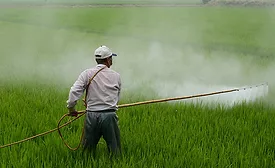
EPA is reassessing glyphosate’s human health risks and carcinogenic potential after a federal court vacated its previous determination. An expert source raised concerns stemming from the fact that EPA has already disqualified 78 percent of independent studies identified in its review.
After reviewing a study suggesting that glyphosate causes cancer even at levels below those considered “safe” by EU regulatory agencies, the European Chemicals Agency stood by its 2022 hazard assessment decision that the herbicide does not warrant a classification for carcinogenicity.
The ruling in the case Monsanto v. Durnell shields pesticide manufacturers like Bayer–Monsanto, the maker of glyphosate-based Roundup, in failure-to-warn lawsuits. A legal expert explained to Food Safety Magazine how this decision potentially weakens state right-to-know chemical health warning laws like California's Proposition 65.
The Paraquat Prevention Act would cancel all EPA-registered uses of the herbicide and permanently prohibit its reregistration. More than 70 countries, including the EU and China, have banned the domestic use of paraquat, although China still manufactures and exports the chemical to the U.S.
On May 26, Vermont Governor Phil Scott signed into law two bills related to food chemical safety; specifically, the nation’s first state-level ban on paraquat (H.739) and legislation setting heavy metals testing and disclosure requirements for baby food manufacturers (H.536).
A presidential Executive Order invoked the Defense Production Act of 1950, asserting that glyphosate-based herbicides are critical to “national security.” MAHA supporters are pushing back on the order.
Like the Healthy Florida First initiative’s previous reports on toxic heavy metals in candy and infant formula, details that would help contextualize the findings have not been disclosed, such as the sampling and testing methodology or relevant safety thresholds
A paper from the year 2000 suggesting the safety of glyphosate (the active ingredient in herbicide Roundup), which has been cited for decades in regulatory decisions and pesticide approvals, has been retracted after litigation revealed undisclosed conflicts of interest undermining the study’s integrity.
The California Assembly has passed a bill requiring an expedited review of paraquat, an herbicide linked to human health harms. It is used on food crops like almonds and pistachios.