Food Safety
search
Ask Food Safety AI
cart
facebook twitter linkedin instagram youtube
  • Sign In
  • Create Account
  • Sign Out
  • My Account
Food Safety
  • NEWS
    • Latest News
    • White Papers
  • PRODUCTS
  • TOPICS
    • Contamination Control
    • Food Types
    • Management
    • Process Control
    • Regulatory
    • Sanitation
    • Supply Chain
    • Testing and Analysis
  • PODCAST
  • EXCLUSIVES
    • Food Safety Five Newsreel
    • eBooks
    • FSM Distinguished Service Award
    • Interactive Product Spotlights
    • Videos
  • BUYER'S GUIDE
  • MORE
    • NEWSLETTERS >
      • Archive Issues
      • Subscribe to eNews
    • Store
    • Sponsor Insights
    • ASK FSM AI
  • WEBINARS
  • FOOD SAFETY SUMMIT
  • EMAG
    • eMagazine
    • Archive Issues
    • Editorial Advisory Board
    • Contact
    • Advertise
  • SIGN UP!
NewsContamination ControlRegulatoryChemical ControlInternational Standards/Harmonization

EFSA Finds No Critical Health Concerns for Herbicide Glyphosate

farmer spraying chemicals

Image credit: MUS LIHAT via Unsplash

July 6, 2023

Based on an assessment of the impact of glyphosate on the health of humans, animals, and the environment, the European Food Safety Authority (EFSA) has determined that there do not exist any critical areas of concern. However, some data gaps were identified in EFSA’s conclusions for the European Commission and EU Member States to consider in the next stage of the renewal of approval process for the chemical.

A concern is defined as critical when it affects all proposed uses of the active substance under evaluation (e.g., pre-sowing uses, post-harvest uses, and etc.), thus preventing its approval or renewal.

Glyphosate is a chemical substance used in a number of herbicide products, and its use in Europe is subject to strict regulation. Glyphosate is currently approved for use in the EU until December 15, 2023. The risk assessment by Member States and the subsequent peer review by EFSA was carried out as part of the legal process to renew the approval of its use in Europe.

The risk assessment and peer review of glyphosate represents the work of dozens of scientists from EFSA and the Member States in a process that has spanned over three years. It is based on an evaluation of many thousands of studies and scientific articles, and also incorporates input gathered during public consultation.

In 2022, the European Chemicals Agency (ECHA) carried out a hazard assessment of glyphosate and concluded that it did not meet the scientific criteria to be classified as a carcinogenic, mutagenic, or reprotoxic substance. EFSA used ECHA’s hazard classification for the purposes of the EU risk assessment on glyphosate. Where data gaps are identified, they are reported in EFSA’s conclusions as either issues that could not be finalized or outstanding issues.

Issues that could not be finalized include the assessment of one of the impurities in glyphosate, the consumer dietary risk assessment, and the assessment of risks to aquatic plants. Outstanding issues include, but are not limited to, a lack of information about the toxicity of one of the components present in the glyphosate-based pesticide formulation submitted for evaluation, which is needed to conclude the risk assessment of the formulation for representative uses. For the formulation, there were no indications of acute toxicity and genotoxicity.

Regarding biodiversity, experts recognized that the risks associated with the representative uses of glyphosate are complex and depend on multiple factors. They also noted a lack of harmonized methodologies and agreed specific protection goals. Overall, the available information does not allow firm conclusions to be drawn on this aspect of the risk assessment, and risk managers are encouraged to consider mitigation measures. Additionally, with respect to ecotoxicology, the data package allowed a conservative risk assessment approach, which identified a high long-term risk to mammals in 12 out of 23 proposed uses of glyphosate.

Looking for quick answers on food safety topics?
Try Ask FSM, our new smart AI search tool.
Ask FSM →

EFSA’s conclusions on the peer review of the risk assessment for glyphosate have been shared with the European Commission and Member States to inform the decision they will take about whether to keep glyphosate on the EU list of approved pesticide active substances.

As with all peer-reviews of pesticide active substances, and according to EU legislation for pesticides, EFSA provides materials intended for publication to the applicant, which is entitled to request confidentiality for elements relating to personal data or commercially sensitive information. Applicants are not able to request changes to the conclusions or the assessment itself nor submit additional information.

As soon as the process is complete, EFSA will publish its conclusions and all background documents related to the peer review and risk assessment in full on its website. The conclusions are expected to be published by the end of July 2023 and the background documents, which include several thousands of pages, are expected to be published after that time.

Update, July 26, 2023: EFSA has published its conclusions and all background documents related to the peer review and risk assessment of glyphosate.

KEYWORDS: EFSA EU herbicides

Share This Story

Recommended Content

JOIN TODAY
to unlock your recommendations.

Already have an account? Sign In

  • people holding baby chicks

    Serovar Differences Matter: Utility of Deep Serotyping in Broiler Production and Processing

    This article discusses the significance of Salmonella in...
    Meat/Poultry
    By: Nikki Shariat Ph.D.
  • woman washing hands

    Building a Culture of Hygiene in the Food Processing Plant

    Everyone entering a food processing facility needs to...
    Management
    By: Richard F. Stier, M.S.
  • graphical representation of earth over dirt

    Climate Change and Emerging Risks to Food Safety: Building Climate Resilience

    This article examines the multifaceted threats to food...
    Management
    By: Maria Cristina Tirado Ph.D., D.V.M. and Shamini Albert Raj M.A.
Manage My Account
  • eMagazine Subscription
  • Subscribe to Newsletters
  • Manage My Preferences
  • Website Registration
  • Subscription Customer Service

More Videos

Sponsored Content

Sponsored Content is a special paid section where industry companies provide high quality, objective, non-commercial content around topics of interest to the Food Safety Magazine audience. All Sponsored Content is supplied by the advertising company and any opinions expressed in this article are those of the author and not necessarily reflect the views of Food Safety Magazine or its parent company, BNP Media. Interested in participating in our Sponsored Content section? Contact your local rep!

close
  • NEVIFIT 3 Compartment BPA-FREE
    Sponsored byCorbion

    The Risks of Ready-to-Eat: Five Ways to Protect Today's Prepared Meals

  • a group of workers in a food production facility
    Sponsored bySkillUp by Registrar Corp

    How to Build a Better Training Program: Data and Insights from the Global Food Safety Training Survey

  • the use of dual-energy X-ray food inspection technology to identify foreign contaminants.
    Sponsored byEagle by METTLER TOLEDO

    Precision Inspection Starts with the Right X-ray Detector

Popular Stories

green powder/moringa in wooden mortar

FDA Opens Third Salmonella–Moringa Outbreak Investigation of the Year

FoodSafetyMattersFinal-900x550-(002).jpg

Ep. 218. Dr. Brady Carter: Water Activity, Shelf-Life Validation, and Food Safety Controls

lab scientist investigating a strawberry

FDA Modernizes Oversight of Pesticides in Food

a practical guide to spoilage investigation webinar

Events

June 3, 2026

How to Build a Better Food Safety Training Program

Live: June 3, 2026 at 2:00 pm EDT: Join this webinar to learn how AI is impacting food safety training, and how you can leverage AI in your programs.

June 4, 2026

Building a Stronger Food Safety Program in a Changing GFSI Landscape

Live: June 4, 2026 at 11:00 am EDT: Attend this webinar to understand how GFSI requirements are evolving and what those changes signal for quality programs at food and beverage facilities.

June 10, 2026

A Practical Guide to Spoilage Investigation and Prevention

Live: June 10, 2026 at 11:00 am EDT: Join this webinar to learn how to identify spoilage root causes, reduce risk, and apply data-driven strategies for prevention.

View All

Products

Global Food Safety Microbial Interventions and Molecular Advancements

Global Food Safety Microbial Interventions and Molecular Advancements

See More Products

Related Articles

  • pieces of nori dried seaweed

    EFSA Finds No Health Risk of Complex Inorganic Arsenic Species in Food, but Data is Limited

    See More
  • man spraying chemicals on blueberry bushes

    EU to Renew Approval of Toxic Herbicide Glyphosate for Next 10 Years, Sparking Controversy

    See More
  • trucks spraying pesticides across wheat field

    Trump Pushes for Greater Production of Controversial Herbicide Glyphosate

    See More

Related Products

See More Products
  • 1119160553.jpg

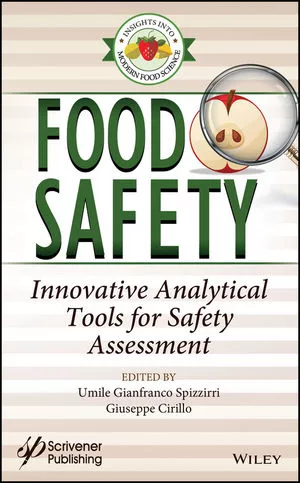
    Food Safety: Innovative Analytical Tools for Safety Assessment

  • 1119053595.jpg

    Food Safety for the 21st Century: Managing HACCP and Food Safety throughout the Global Supply Chain, 2E

  • 1118396308.jpg

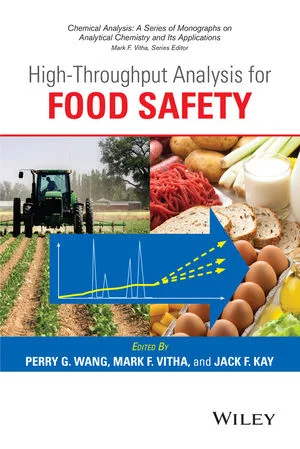
    High Throughput Analysis for Food Safety

See More Products

Related Directories

  • Perfex Corp.

    Perfex is the leading manufacturer of professional-grade cleaning tools for pharmaceutical and food manufacturing environments. Reliable and quality materials to address todays hygienic concerns, these are the goals we strive for every day. Our TruCLEAN mopping systems lead the critical cleaning industry with autoclave compatible materials, built for cleanroom standards.
  • National Environmental Health Assn. (NEHA)

    We support over 7,000 environmental health professionals globally, offering top-tier credentialing, educational materials, and events. Our FSMA courses include PCQI, FSVP, and IAVA. We employ experts to ensure the highest standards in practice and testing, fostering career growth and networking through our community and peer-reviewed journal. https://www.neha.org/FSPCA-PCQI-training.
  • Michigan State University Online Food Safety Program

    MSU's Online Food Safety program strives to educate professionals on how to make global food systems safe. The program consists of a master’s degree and graduate certificate, both entirely online. Each program will provide students with applicable knowledge to navigate the ever-changing concerns surrounding food safety, food protection, and public health.
×

Never miss the latest news and trends driving the food safety industry

Newsletters | Website | eMagazine

JOIN TODAY!
  • RESOURCES
    • Advertise
    • Contact Us
    • Directories
    • Store
    • Want More
  • SIGN UP TODAY
    • Create Account
    • eMagazine
    • Newsletters
    • Customer Service
    • Manage Preferences
  • SERVICES
    • Marketing Services
    • Reprints
    • Market Research
    • List Rental
    • Survey/Respondent Access
  • STAY CONNECTED
    • LinkedIn
    • Facebook
    • Instagram
    • X (Twitter)
  • PRIVACY
    • PRIVACY POLICY
    • TERMS & CONDITIONS
    • DO NOT SELL MY PERSONAL INFORMATION
    • PRIVACY REQUEST
    • ACCESSIBILITY

Copyright ©2026. All Rights Reserved BNP Media, Inc. and BNP Media II, LLC.

Design, CMS, Hosting & Web Development :: ePublishing