Whole Genome Sequencing in Food Safety: Non-Technical Systems Barriers and Opportunities for Enhanced Global Use
October 19, 2026
Whole Genome Sequencing in Food Safety: Non-Technical Systems Barriers and Opportunities for Enhanced Global Use
October 19, 2026Need to Know
- WGS is now a mature, widely used tool for foodborne pathogen characterization, outbreak investigations, source tracking, and regulatory surveillance
- Industry can use WGS to strengthen root cause analysis, identify persistent strains, detect laboratory cross-contamination, and better define recall scope
- Legal and regulatory uncertainty remains a major barrier to industry adoption, particularly regarding data-sharing, enforcement implications, and potential liability
- Regulatory expectations are evolving, including a new EU requirement for food and feed businesses to provide pathogen isolates and associated WGS data upon request during outbreak investigations
- Food companies should strategically assess both the risks and benefits of using, and not using, WGS, with input from food safety, legal, bioinformatics, and enterprise risk management experts
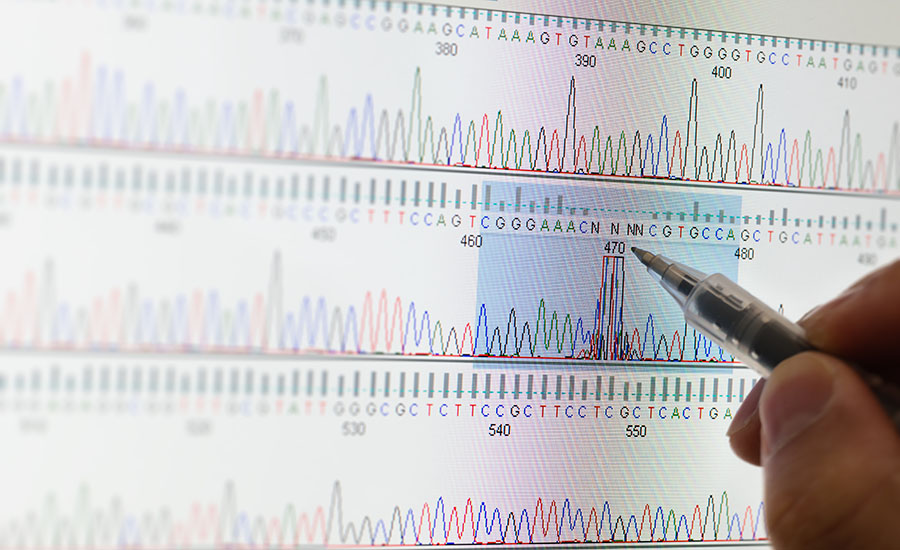
Whole genome sequencing (WGS), which can read the complete genetic code of a microorganism, has become an important tool of modern food safety. By decoding the roughly 3–10 million nucleotide "letters" that make up the genome of different bacteria, WGS produces a uniquely detailed genetic fingerprint that can determine whether two isolates of a bacterium (such as Listeria monocytogenes or Salmonella) are so closely related that they likely came from the same source and/or represent a recent chain of contamination.
The high discriminatory power of WGS does not mean that WGS data alone can establish causality. However, when combined with other evidence (for example, epidemiological and investigational data), WGS data can provide extremely valuable information that can help identify likely pathogen sources or transmission pathways. This information can then be used to identify, control, and possibly eliminate pathogen sources (e.g., contaminated ingredients).
Since the U.S. Centers for Disease Control and Prevention (CDC) first applied WGS to a foodborne disease outbreak in 2013, the technology has transformed public health practice.1 It is now the de facto standard for characterizing clinical isolates of key foodborne pathogens in the U.S., Canada, and much of Europe. The National Center for Biotechnology Information (NCBI) Pathogen Detection database holds WGS data for more than one million pathogen isolates from humans, foods, and environments worldwide. In addition to outbreak detection, government agencies are increasingly using WGS data to link contamination events to specific sources and to drive enforcement actions.
For senior food safety leaders (e.g., vice presidents, quality directors, and executives responsible for enterprise risk), the implications of broadened WGS use and WGS technology availability are substantial. WGS is no longer a research technology being evaluated for potential future use, but a tool widely deployed by public health and regulatory agencies in an increasing number of countries, delivering data that increase the likelihood that a specific product, supplier, and/or processing facility are identified as the source of an outbreak. Thus, making deliberate, well-informed, strategic decisions about the use of WGS (or other subtyping methods) is rapidly taking on key importance for senior food safety leaders.
This article summarizes the current state of WGS adoption, discusses the risks and benefits of industry use, identifies non-technical barriers that continue to limit adoption, and offers recommendations to help food safety professionals and their organizations navigate this evolving landscape. Our central argument is that WGS is a mature, reliable technology that can deliver substantial value for the food industry. Key questions that need to be addressed now are how to properly weigh the risks and benefits of different WGS applications and deployments in order to strategically decide on WGS use (or non-use) and how to minimize the risks and maximize the benefits of WGS use. A key challenge for the broader food safety community is to develop and implement strategies that ensure that the legal and regulatory environment makes broader adoption of WGS feasible.
Readers interested in more details are also referred to a more in-depth peer-reviewed article that was published in Food Protection Trends earlier in 2026;2 development of this article was supported by SSAFE, further supporting the importance of this topic.
Current Status of Adoption by Industry and Government Agencies
The global picture of WGS adoption is characterized by striking progress in some regions and persistent gaps in others. In the U.S., WGS has been embedded in routine regulatory practice at the federal level since approximately 2019.3 The U.S. Food and Drug Administration (FDA) and the U.S. Department of Agriculture's Food Safety and Inspection Service (USDA-FSIS) now routinely characterize isolates they obtain from food products, processing plant environments, produce fields, and agricultural water. The CDC coordinates WGS characterization of human clinical isolates, with most actual sequencing performed by state health departments. Comparable surveillance programs, with varying scope and pathogen coverage, operate in Canada, the UK, Ireland, France, Denmark, Australia, and New Zealand, among others.4
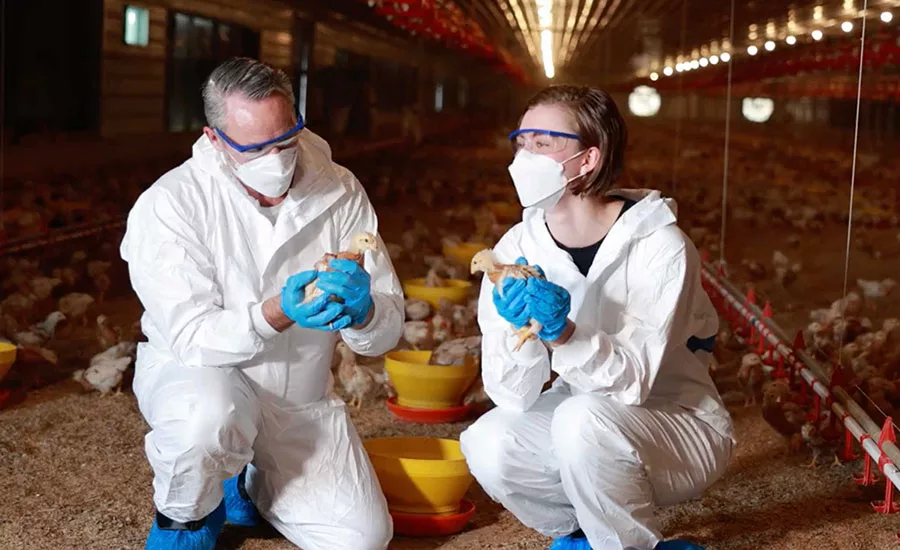
The most significant recent regulatory development is the EU's Commission Implementing Regulation (EU) 2025/179, published January 31, 2025, which requires food and feed business operators to submit pathogen isolates and associated WGS data to competent authorities upon request during outbreak investigations.5 This is the first legally binding requirement for industry WGS data submission in a major jurisdiction and suggests that regulatory expectations for WGS use may be shifting from advisory toward obligatory under specific circumstances (e.g., outbreaks) (Figure 1). While details on the practical implementation of this regulation and its impact in other parts of the world remain to be seen, initial FAQ documents linked to this new regulation provide some insights.6 For example, the FAQ documents reiterate that "A genetic match of WGS profiles between a human isolate and a food isolate alone does not confirm the food as the outbreak source. Additional epidemiological investigations, such as patient interviews, exposure history, and traceback analysis, are required to establish a link."
Looking for quick answers on food safety topics?
Try Ask FSM, our new smart AI search tool.
Ask FSM →
Looking for a reprint of this article?
From high-res PDFs to custom plaques, order your copy today!
FIGURE 1. The EU's Regulation 2025/179 requires food and feed businesses to submit pathogen isolates and associated WGS data to authorities during outbreak investigations, making it the first legally binding requirement for industry WGS data submission (Image credit: hh5800/iStock/Getty Images Plus)
By contrast, WGS adoption in low- and middle-income countries (LMICs) generally remains limited. Infrastructure gaps, workforce shortages, and competing public health priorities are likely key factors that constrain WGS implementation.7,8 The World Health Organization (WHO) has developed dedicated guidance modules to support WGS integration into foodborne disease surveillance in these settings.9,10
While strengthening this global infrastructure will be important to help reduce foodborne illness globally, it is also important to recognize that WGS adoption cannot supplant foundational epidemiological, public health surveillance, and food safety regulatory capacities. Furthermore, it is important to recognize that current applications of WGS are typically more reactive as WGS can help detect outbreaks and identify sources, clarify how contamination occurred, and inform actions that reduce the risk of recurrence. However, the primary objective of a strong food safety system remains preventing contamination. WGS does not replace the need for strong food safety systems, and preventive practices and prevention must remain the primary objectives.
With regard to industry adoption, a 2024 survey of 18 food companies, including major multinationals, found that four were not using WGS at all and suggests that WGS use across respondents remains predominantly reactive rather than proactive.11 WGS appears to be most commonly deployed for pathogen source tracking following contamination detection rather than for routine environmental surveillance or proactive strain monitoring. An industry comment captured in a research interview crystallizes the underlying tension; as reported by Wiedmann and Neumann,2 one multinational food company told researchers that if the legal risks of WGS could be "shelved" or "set aside," then "the entire industry would use WGS routinely." That observation encapsulates both the technology's unrealized potential and the central challenge this article addresses.
Key Benefits of WGS for Industry
WGS can deliver value across a range of food safety applications. Table 1 provides a simplified overview of key applications and their principal benefits for food industry stakeholders.
Outbreak detection and faster investigation. The public health use of WGS to detect foodborne disease outbreaks is the most widely recognized application, with the benefits of this application directly extending to industry. WGS allows public health agencies to detect smaller outbreaks and outbreaks spread out over longer time periods than was previously possible. Earlier detection means fewer total human cases and may translate to smaller potential recall scopes and reduced legal, financial, and reputational exposure for the implicated company.
Source tracking speed and accuracy. WGS characterization of isolates from multiple supply chain nodes (such as ingredients from different suppliers, processing plant environmental zones, and finished products) can help rapidly establish or rule out contamination linkages that would otherwise require weeks of traditional investigation. For example, one study demonstrated that WGS substantially outperforms traditional subtyping in distinguishing persistent from transient Listeria monocytogenes strains.12 Subsequent work on isolates obtained from produce packinghouses further illustrated how WGS data, particularly if shared across facilities, can help with the differentiation of persistence and reintroduction.13
Detection and management of persistent strains. WGS-based environmental monitoring can identify when the same pathogen subtype recurs over time in a facility, a pattern consistent with pathogen persistence. The 2024 survey of 18 food companies mentioned above confirmed that 62 percent of responding companies now use WGS to distinguish persistent from transient strains,11 a practice with direct operational implications. Once persistence is identified and localized to specific equipment or environmental zones, companies can target capital investments and sanitation improvements precisely rather than applying broad, less cost-effective interventions across an entire facility.
Detection of laboratory cross-contamination. False positive pathogen test results caused by laboratory cross-contamination can trigger unnecessary recalls, regulatory actions, and supply chain disruptions with major financial consequences. WGS can help identify false positives by demonstrating that an isolate obtained from a sample that tested positive is genetically identical to a laboratory control strain rather than representing genuine environmental or product contamination. At least one major North American recall was rescinded after WGS conclusively demonstrated that laboratory error, not genuine product contamination, had triggered the initial action.2 The financial and reputational cost of an unjustified recall makes this application alone a compelling argument for WGS investment.
Rapid and comprehensive isolate characterization. WGS can simultaneously provide serotype, antimicrobial resistance profile, virulence gene content, and subtype data in a single assay, replacing multiple traditional methods performed sequentially. This breadth of information can support more risk-based decision-making. For example, WGS characterization can reveal whether a detected pathogen belongs to a lineage associated with elevated or reduced human disease risk, enabling a more calibrated regulatory and business response rather than a reflexive, one-size-fits-all precautionary action.
Confirmation of ambiguous detection results. WGS can resolve ambiguous identifications and can, for example, distinguish true pathogens from closely related non-pathogenic organisms that can trigger false positives with both classical and rapid pathogen assays. Faster, definitive confirmation can reduce the period of uncertainty during which expensive precautionary holds must be maintained and may sometimes be able to prevent recalls or product destructions altogether.
Root cause analysis. WGS can be an effective tool in root cause analysis efforts. For example, when a facility detects a pathogen (e.g., in an environmental swab, an ingredient, or a finished product), WGS of the isolate can rapidly determine whether it matches prior isolates from the same facility, a specific environmental zone, or a supplier. This information focuses the investigation and guides corrective action, reducing both the time and cost of identifying contamination sources. Crucially, WGS may also help with ruling out contamination hypotheses, for example, by establishing that a finished product positive does not match environmental isolates.
More targeted recall scope. In some cases, WGS data can also help industry to better define and defend the scope of a recall. Detailed analysis of WGS data, combined with other data such as production records, epidemiological data, and sanitation event timelines, can help determine which specific production lots, lines, or dates are plausibly implicated and which are not. More specifically, WGS (or other subtyping) data may also be increasingly required by regulatory agencies to support that two pathogen positives (e.g., obtained from environmental samples in a facility with multiple months between positives) likely represent independent events rather than persistence. An inability to exclude persistence can often lead to larger and more expensive recalls.
Table 1. Key WGS applications and their benefits for food industry stakeholders (Credit: Adapted from Wiedmann and Neumann2)
| Application of WGS | Description | Key Benefits and Beneficiaries |
|---|---|---|
| Outbreak detection | WGS enables public health agencies to detect smaller and more temporally dispersed outbreaks (as compared to what may be possible with other subtyping methods, such as pulsed-field gel electrophoresis, or PFGE). | Earlier detection limits consumer exposure and reduces potential recall scope. Beneficiaries: consumers, public health agencies, food industry. |
| Source tracking | WGS characterization of isolates from multiple supply chain nodes (ingredients, processing environments, finished products) can help identify or rule out contamination sources. |
More rapid, definitive identification of contamination sources enables targeted corrective action. Beneficiaries: food industry. |
| Persistence detection | WGS of environmental isolates tracked over time identifies recurring strains consistent with pathogen persistence in a processing facility. |
Enables targeted capital investment and sanitation improvements at persistence sites, rather than broad, facility-wide interventions. Beneficiaries: food industry. |
| Lab cross-contamination detection | WGS distinguishes genuine pathogen positives from false positives caused by laboratory cross-contamination during sample processing. |
Prevents costly, unjustified recalls and regulatory actions. Beneficiaries: food industry, testing laboratories. |
| Comprehensive isolate characterization | WGS simultaneously provides serotype, antimicrobial resistance profile, virulence gene content, and subtype data in a single assay. |
Faster, more comprehensive characterization can support risk-based decision-making. Beneficiaries: food industry, public health agencies. |
| Confirmation of detection results | WGS can resolve ambiguous detection results and allow for differentiation between true pathogens and closely related non-pathogenic organisms that may trigger false positives with classical and molecular pathogen assays. |
Faster resolution reduces the period of costly precautionary action. Beneficiaries: food industry, regulators, testing laboratories. |
| Root cause analysis | WGS data from environmental, ingredient, and product isolates can focus contamination investigations and help with ruling in or out contamination hypotheses. | Reduces investigation time and cost; prevents unnecessary recalls by establishing or excluding contamination linkages. Beneficiaries: food industry. |
Non-Technical Barriers to Industry Adoption in the U.S. and Globally
Despite the potential business benefits of WGS, the technology's adoption across the food industry remains uneven and cautious. The barriers most consistently identified in both a 2019 workshop survey and the 2024 follow-up survey are not technical in nature; they are legal, regulatory, organizational, and financial.11,14 Importantly, many technical questions about WGS reproducibility and standardization have been addressed. For example, ISO 23418:2022 provides a robust implementation framework across different sequencing platforms,15 and expert consensus affirms that WGS results from different platforms are generally comparable when analyses are performed by experienced personnel.16 Consequently, there is a need to focus industry and government efforts on addressing key non-technical barriers, as detailed below.
Legal uncertainty. The most consistently and prominently cited barrier to adoption is legal risk. In the 2024 survey, 81 percent of respondents indicated that regulatory implications would affect their WGS practices; legal uncertainty also remains a primary barrier to data-sharing with regulatory agencies.11 One concern is that WGS data deposited in public databases such as the NCBI Pathogen Detection database are permanently accessible to regulators, plaintiffs' attorneys, competitors, customers, and the media, with no statute of limitations. There also is concern that data generated by a company for internal purposes can be used in legal proceedings in ways neither anticipated nor authorized by the originating company. Finally, product liability and strict liability doctrines in both the U.S. and EU create a genuine risk that WGS evidence of persistent pathogen contamination substantially increases legal exposure in the event of an outbreak.
Regulatory ambiguity. There is currently little transparent, published guidance from regulatory agencies on precisely how WGS data will be used and/or weighted in enforcement decisions. The interpretation of WGS similarity metrics (e.g., what constitutes a "match"), including how single nucleotide polymorphism (SNP) or allelic differences between isolates are interpreted, depends critically on context. Relevant factors include the organism's generation time, the environment from which isolates were collected, and the quality of supporting epidemiological and/or other metadata.17 While there is clear consensus that there cannot be hard cut-off values for interpreting SNP and allelic differences, there is a need for clear interpretive guidance and case studies that illustrate how WGS and other data are used, in combination, to draw causal conclusions. Without this type of information, companies cannot assess with confidence what evidentiary significance their own WGS data might carry if accessed by a regulator or an adverse stakeholder.
Risks and rewards differ by jurisdiction. The legal and regulatory environment for WGS use varies substantially across national boundaries and potentially even across regulatory jurisdictions within a country (e.g., USDA and FDA). Data privacy laws applicable to WGS data, mandatory reporting requirements, the openness of national WGS databases, and applicable product liability doctrines all differ. A globally operating food company must navigate this patchwork without consolidated guidance. This is a particular challenge for small and medium-sized enterprises with limited legal and technical resources.
Workforce and organizational gaps. WGS data interpretation requires specialized bioinformatics expertise that is scarce in most food companies. In the 2024 survey, 31 percent of respondents indicated that they did not know which bioinformatics platforms their organizations use,11 suggesting that WGS analysis may often be siloed from mainstream food safety decision-making. Even where technical expertise exists, it may not be integrated with enterprise risk management frameworks, leaving WGS-related decisions (including on WGS implementation) without adequate business context for senior decision-makers who must weigh the full risk and reward implications.
Cost. While the cost of sequencing has decreased over the years, WGS is still expensive compared with other subtyping tools.14 WGS may be worth the additional investment given the added benefits WGS data provides over other methods. However, some companies still consider the "opportunity cost"—i.e., the value of alternative food safety investments that could be made with the same resources—to be too high. These tradeoffs are often evaluated as part of enterprise risk management (ERM) and can influence testing budgets and priorities (Figure 2).

Recommendations for the Future
Realizing the full potential of WGS for food safety requires coordinated action across governments, regulatory agencies, industry, international organizations, and academia, with examples of potentially critical priorities detailed below.
Establish safe harbor protections for voluntary WGS data. One potentially impactful policy change would be the creation of safe harbor protections shielding companies from adverse legal and regulatory action when they voluntarily generate and share WGS data in good faith.2 A compelling model exists in aviation safety: the US Federal Aviation Administration's Aviation Safety Reporting System (ASRS) guarantees that voluntarily reported safety data will not be used against reporters in enforcement actions, subject to defined and reasonable conditions.18 A comparable food safety safe harbor—with reasonable but not unlimited protections—could fundamentally alter the risk-reward calculation for industry WGS adoption without compromising legitimate regulatory authority in genuine enforcement situations.2
Enable robust industry risk-benefit discussions. Food companies should conduct structured analyses with legal counsel, bioinformatics experts, and food safety leadership to assess both the risks and benefits of different degrees and types of WGS implementation—for example, using only on finished product positives, or on both finished product and environmental positives. Key questions covered may include:
- How will WGS results be stored, protected, and communicated internally?
- Under what circumstances might results be accessible to third parties?
- What mandatory reporting requirements apply in each jurisdiction?
Critically, these discussions must also rigorously evaluate the benefits of using WGS (with Table 1 providing a starting point for this), as well as the risks of not using WGS. Examples of risks associated with not using WGS may include less targeted or effective corrective action, or an inability to support that temporally spaced pathogen detections represent independent events rather than persistence.
Strengthen international use without undermining foundational capacities. Continued international harmonization of WGS data standards, reporting practices, and database access rules would reduce uncertainty for globally operating companies and improve the public health value of shared data. However, this expansion must not come at the expense of foundational public health and food safety infrastructure. WGS requires rigorous epidemiological and surveillance data as well as metadata; investment in WGS without commensurate investment in public health and food safety may be counterproductive. Even in countries with strong WGS programs, maintaining adequate epidemiology capacity is a continuing priority.
Provide regulatory transparency on data interpretation. Regulatory and public health agencies should publish clear, accessible guidance on how WGS data are used and interpreted in enforcement decisions. This guidance should include case studies illustrating how SNP or other measures of genetic differences, epidemiological data, and other information are integrated to reach conclusions about outbreak attribution or pathogen persistence. This transparency is essential for industry to make informed adoption decisions and to contest regulatory interpretations when warranted.
Consider the broader subtyping toolkit. WGS is not the only molecular subtyping approach. Companies navigating high-legal-risk environments should be aware that other subtyping methods (such as PFGE) can provide useful information in certain contexts at lower costs, with faster turnaround times, and likely with lower legal and regulatory risk. While none of the available alternatives match WGS in discriminatory power, breadth of information, or analytical value for complex contamination investigations, they can provide value for certain applications and could be combined with targeted escalation to WGS.
Conclusions
WGS has become the gold standard for foodborne pathogen characterization in public health and regulatory settings across many high-income countries, and its reach continues to expand. The technology is mature and reproducible, even though cost and turnaround time can still be a barrier. Importantly, ISO 23418:2022 provides a robust implementation framework across different sequencing platforms,15 and technical reproducibility concerns have essentially been resolved. With this, key questions facing the food industry are:
- How to strategically assess the risks and benefits of WGS within the current legal and regulatory environment
- How to use WGS within the current risk landscape.
The barriers to broader industry adoption are real but not insurmountable. Legal uncertainty, regulatory ambiguity, and workforce gaps are solvable problems, given the political will, regulatory transparency, and sustained investment in training and capacity. The tools and frameworks to address these barriers largely exist; what is needed is a commitment to implement them, ideally through genuine public-private collaboration of the kind that has improved safety outcomes in other complex, regulated industries, such as the airline industry. Critically, these efforts must recognize that zero food safety risk is neither feasible nor desirable; the goal should be to use WGS to drive continuous improvement.
Regulatory expectations for industry WGS use are rising. The EU's Regulation 2025/179 represents the first binding legal requirement for industry WGS data submission under defined circumstances, and FDA guidance increasingly encourages WGS use following pathogen findings. In a number of countries, WGS is now firmly embedded in the regulatory and surveillance infrastructure that food companies must navigate. As WGS assumes a greater role in regulatory practice, companies should more carefully evaluate the risks and benefits of using WGS and/or other subtyping methods. Failing to do so may create growing operational, legal, and reputational disadvantages.
In our view, the food industry should also seriously consider an emerging liability horizon: the possibility that future legal proceedings or regulatory actions may treat the failure to use best-available molecular subtyping tools as a form of negligence in itself. As WGS becomes more accepted as a gold standard for pathogen characterization and identification, the argument that a company "did not use the best available tools" to identify, characterize, and respond to known contamination risks could carry increasing weight in both regulatory enforcement and civil litigation. Hence, there is substantial value in developing a legally sound, well-governed approach to WGS and subtyping now, before regulatory expectations or litigation effectively dictate the terms of their use.
References
- Brown, E., U. Dessai, S. McGarry, and P. Gerner-Smidt. "Use of Whole-Genome Sequencing for Food Safety and Public Health in the United States." Foodborne Pathogens and Disease 16, no. 7 (July 2019): 441–450. https://pmc.ncbi.nlm.nih.gov/articles/PMC6653787/.
- Wiedmann, M. and M.J. Neumann. "Whole Genome Sequencing for Food Safety: Opportunities, Benefits and Challenges." Food Protection Trends 46, no. 1 (January 2026): 8–32. https://www.foodprotection.org/publications/food-protection-trends/archive/2026-01-whole-genome-sequencing-for-food-safety-opportunities-benefits-and-challenges/.
- Stevens, E.L., H.A. Carleton, J. Beal, et al. "Use of Whole Genome Sequencing by the Federal Interagency Collaboration for Genomics for Food and Feed Safety in the United States." Journal of Food Protection 85, no. 5 (May 2022): 755–772. https://pubmed.ncbi.nlm.nih.gov/35259246/.
- European Centre for Disease Prevention and Control. "Technical Report: Monitoring the use of whole genome sequencing in infectious disease surveillance in Europe, 2015–2017." 2018. https://www.ecdc.europa.eu/sites/default/files/documents/monitoring-WGS-infectious-disease-surveillance-in-Europe-2015-2017-updated-Dec-2018.pdf.
- European Union. "Commission Implementing Regulation (EU) 2025/179 of 31 January 2025 on the collection and transmission of molecular analytical data within the frame of epidemiological investigations of food-borne outbreaks in accordance with Directive 2003/99/EC of the European Parliament and of the Council." Document 32025R0179. https://eur-lex.europa.eu/eli/reg_impl/2025/179/oj/eng.
- European Food Safety Authority (EFSA). "Whole genome sequencing in outbreaks." August 24, 2026. https://www.efsa.europa.eu/en/topics/topic/whole-genome-sequencing-foodborne-outbreaks.
- Davedow, T., H. Carleton, K. Kubota, et al. "PulseNet International Survey on the Implementation of Whole Genome Sequencing in Low and Middle-Income Countries for Foodborne Disease Surveillance." Foodborne Pathogens and Disease 19, no. 5 (May 2022): 332–340. https://pubmed.ncbi.nlm.nih.gov/35325576/.
- Apruzzese, I., E. Song, E. Bonah, et al. 2019. "Investing in Food Safety for Developing Countries: Opportunities and Challenges in Applying Whole-Genome Sequencing for Food Safety Management." Foodborne Pathogens and Disease 16, no. 7 (July 2019): 463–473. https://pubmed.ncbi.nlm.nih.gov/31188022/.
- World Health Organization (WHO). "Whole genome sequencing as a tool to strengthen foodborne disease surveillance and response: Module 1. Introductory module." October 19, 2023. https://www.who.int/publications/i/item/9789240021228.
- WHO. "Whole genome sequencing as a tool to strengthen foodborne disease surveillance and response: Module 2: Whole genome sequencing in foodborne disease outbreak investigations." October 19, 2023. https://www.who.int/publications/i/item/9789240021242.
- Klijn, A., A. Maillet, B. Jagadeesan, C. Barretto, F. Bourdichon, J. Combrisson, L. Baert, M. Wiedmann, and A. Winkler. "A Food Industry Perspective on The Benefits and Barriers of WGS for Pathogen Source Tracking: The Sequel." Food Safety Magazine December 2025/January 2026. https://www.food-safety.com/articles/10934-a-food-industry-perspective-on-the-benefits-and-barriers-of-wgs-for-pathogen-source-tracking-the-sequel.
- Stasiewicz, M.J., H.F. Oliver, M. Wiedmann, and H.C. den Bakker. "Whole-Genome Sequencing Allows for Improved Identification of Persistent Listeria monocytogenes in Food-Associated Environments." Applied and Environmental Microbiology 81, no. 17 (August 2015): 6024–6037. https://journals.asm.org/doi/full/10.1128/aem.01049-15.
- Sullivan, G., R.H. Orsi, E. Estrada, L. Strawn, and M. Wiedmann. "Whole-Genome Sequencing-Based Characterization of Listeria Isolates from Produce Packinghouses and Fresh-Cut Facilities Suggests Both Persistence and Reintroduction of Fully Virulent L. monocytogenes." Applied and Environmental Microbiology 88, no. 22 (November 2022): e0117722. https://pubmed.ncbi.nlm.nih.gov/36286532/.
- Amézquita, A., C. Barretto, A. Winkler, L. Baert, B. Jagadeesan, D. Akins-Lewenthal, and A. Klijn. "The Benefits and Barriers of Whole-Genome Sequencing for Pathogen Source Tracking: A Food Industry Perspective." Food Safety Magazine. June 24, 2020. https://www.food-safety.com/articles/6696-the-benefits-and-barriers-of-whole-genome-sequencing-for-pathogen-source-tracking-a-food-industry-perspective.
- International Organization for Standardization (ISO). "ISO 23418:2022 Microbiology of the food chain—Whole genome sequencing for typing and genomic characterization of bacteria—General requirements and guidance." Edition 1. 2022. https://www.iso.org/standard/75509.html.
- Pightling, A.W., J.B. Pettengill, Y. Luo, J.D. Baugher, H. Rand, and E. Strain. "Interpreting Whole-Genome Sequence Analyses of Foodborne Bacteria for Regulatory Applications and Outbreak Investigations." Frontiers in Microbiology 9 (July 2018): 1482. https://doi.org/10.3389/fmicb.2018.01482.
- Stimson, J., J. Gardy, B. Mathema, V. Crudu, T. Cohen, and C. Colijn. "Beyond the SNP Threshold: Identifying Outbreak Clusters Using Inferred Transmissions." Molecular Biology and Evolution 36, no. 3 (March 2019): 587–603. https://academic.oup.com/mbe/article/36/3/587/5300248.
- U.S. Department of Transportation, Federal Aviation Administration (FAA). Aviation Safety Reporting Program (ASRP). "Immunity Policies: Advisory Circular 00-46F." April 2, 2021. https://asrs.arc.nasa.gov/docs/AC_00-46F.pdf.