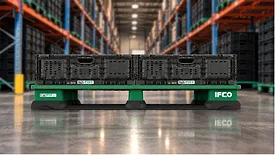
Designed for food and non-food applications, the Atlas pallet incorporates digital track-and-trace capabilities, which provide information on pallet location and inventory, as well as cold-chain monitoring.
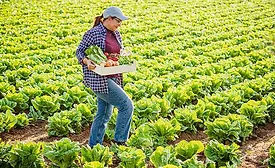
Taylor Farms outlined actions it is taking to enhance food safety following the historic cyclosporiasis outbreak linked to its lettuce. The same day, Consumer Reports sent a letter to FDA requesting answers about why its outbreak response was “hindered by notable delays and a lack of transparency.”
Following the historically large cyclosporiasis outbreak linked to lettuce that swept the U.S. this summer, FAO highlighted the importance of pre-harvest water safety, sanitation, and hygiene to prevent microbial contamination of food in a new fact sheet resource.
Only 65 percent of U.S. adults said they were very or somewhat confident that food sold at most grocery stores is safe to eat. Confidence in the federal government's ability to ensure food safety also reached a new low, at 47 percent.
Under the draft policy, FDA would not enforce requirements for retailers and restaurants selling less than $1 million worth of food in a three-year period. FDA will also hold a public meeting to discuss potential flexibilities related to Traceability Lot Codes, Key Data Elements, and other issues.
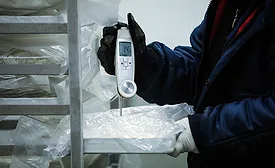
This article explains how two-point testing against traceable temperature standards, supported by appropriate inspection, verification, calibration, and documentation practices, can help build a more accurate and audit-defensible temperature monitoring program.
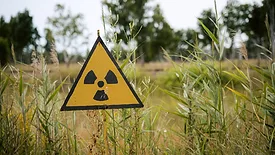
FDA found Indonesia’s Cs-137 import certification program for shrimp and spices, launched because cesium-contaminated shipments of shrimp and spices were detected in the U.S., “substantially meets requirements” after the certifying entities corrected deficiencies identified through an in-country assessment.
The community tracker allows people with food allergies to report anaphylaxis and other serious allergic reactions experienced at foodservice establishments, with the intent of filling data gaps about food anaphylaxis, informing allergic consumers, and motivating industry allergen safety practices.
The BioShield VXL High Flow is a 12-inch V-bank air filter designed to provide MERV 16 filtration efficiency while maintaining high airflow in poultry and swine facilities, developed to help reduce airborne pathogen transmission.
 RSS
RSS